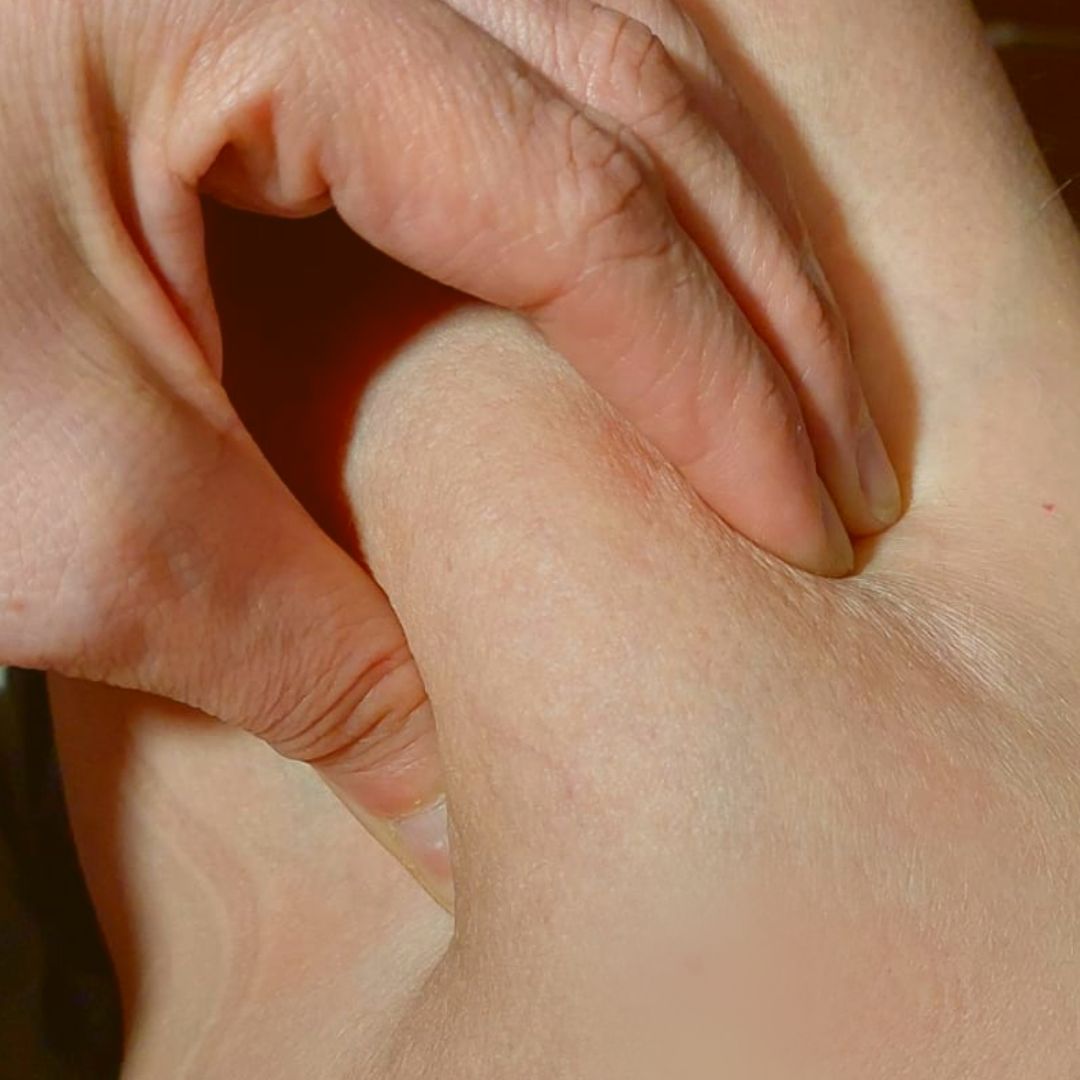





Distinguishing lipedema from obesity and lymphedema — and how to gain initial clarity about your symptoms. The fastest first indicator is our 10-question self-test; a reliable result, however, can only come from a personal consultation with a physician specialized in lipedema.
How Do You Recognize Lipedema?
How Do You Recognize Lipedema?
We’ve summarized the most important signs of lipedema for you here. If you can answer „yes“ to many of the 10 questions, we recommend taking our med-plast lipedema self-test right afterward. Thanks to its scoring algorithm, it is even more specific in assessing a possible lipedema diagnosis.
We then assess how closely your answers match our scientific findings and our clinical experience with lipedema. Combined with ruling out other possible causes for your symptoms and considering your individual history, we can establish a presumptive diagnosis.
Currently, there is still no way to diagnose lipedema through imaging such as ultrasound, MRI, or CT. A biopsy or blood test does not help either — not yet, at least, since research is under way worldwide to identify a biomarker that could confirm a lipedema diagnosis. Until then, we are left with the clinical signs — symptoms, complaints, and the typical course — as our best indicators of possible lipedema. You can read more about our clinical lipedema diagnosis here.
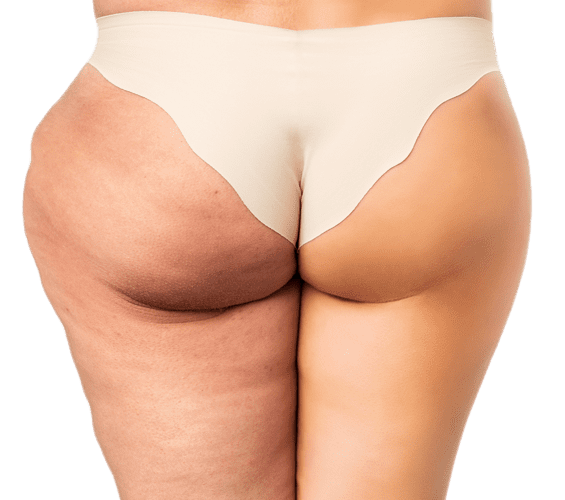
- tender to pressure
- cool to the touch
- bruises easily
- uneven
- pain-free
- even skin tone
- good circulation
- even
Lipedema or Obesity (“Heavy Legs”)?
Heavy Legs or Lipedema?
Let’s clarify one thing up front: although lipedema and obesity are two distinct conditions, they often occur together. This overlap can be one reason why lipedema is diagnosed very late — or not at all. But what is the actual difference between simply having “heavy legs” and having lipedema?
Here is a quick overview:
| Lipedema | “Heavy Legs” / Obesity | |
|---|---|---|
| Sex | Female | Female / Male |
| Pain | Yes — persistent, severe pain | No |
| Bruising | Yes — very easily | No |
| Disproportion | Yes | No — fat distribution is usually symmetric |
| Effect of Diet | No — no meaningful effect | Yes |
| Foot Swelling | No | Yes, depending on stage |
Highlighted column: typical features of lipedema.
Not sure how to interpret your symptoms?
In a free consultation, our specialists will help bring clarity to your situation.
Lipedema or Lymphedema?
The Difference Between Lymphedema and Lipedema
Lymphedema and lipedema are two distinct conditions that are frequently confused because they share similar symptoms. The key difference is that lipedema primarily affects fatty tissue, while lymphedema involves a dysfunction of the lymphatic system. That said, lipedema can lead to lymphedema when the lymphatic vessels become compressed by the fat accumulation (see the stages of lipedema).
Lymphedema is a disorder of the lymphatic system in which fluid (lymph) builds up in the tissue because drainage is impaired. Lipedema, by contrast, is a fat distribution disorder in which fatty tissue accumulates unevenly but symmetrically in the limbs.
Lipedema vs. Lymphedema: Key Differences
| Lipedema | Lymphedema | |
|---|---|---|
| Cause | Caused by genetic and hormonal factors | Damage or blockage of the lymphatic vessels, for example after lymph node removal or radiation therapy |
| Distribution Pattern | Symmetric limbs, can also affect the hips or buttocks | Asymmetric limbs |
| Swelling | Firm and does not pit | Soft and pits under pressure |
| Pain | Often causes pain, a feeling of heaviness, restricted movement, and skin changes such as dimpling and unevenness. | Can cause pain, restricted movement, and skin changes |
| Treatment | Manual lymphatic drainage, compression garments, and liposuction (fat removal) | Manual lymphatic drainage, compression garments, and surgical improvement of lymphatic drainage |
Although compression garments, exercise, and lymphatic drainage are common to both conditions, it is important to understand the differences between them, since their causes and treatments differ.
Do I Have Lipedema or Lymphedema?
Based on the symptoms and outward appearance, you can get an initial sense of whether lipedema or lymphedema might be involved. It is important to stress, however, that only a physician specialized in lipedema can make an accurate diagnosis. Be sure to pay attention to their experience, reputation, and your own instincts about the clinic.
Lymphedema Symptoms
The symptoms of lymphedema often resemble those of lipedema, which is why laypeople frequently confuse the two:
- One-sided swelling in the affected body parts, such as the arms or legs.
- A feeling of heaviness in the affected body parts.
- A feeling of tightness in the affected body parts.
- Restricted mobility in the affected body parts.
- Skin changes, such as thickening, redness, or hardening.
- Pain or discomfort in the affected body parts.
- Recurring infections in the affected body parts, such as cellulitis or lymphangitis.
- Difficulty wearing tight clothing or shoes.
- Reduced finger mobility or stiffness in the affected body parts.
- Increased sweating in the affected body parts
Lipolymphedema: What Is It and How Does It Differ From Lipedema?
Lipolymphedema is a combination of lipedema and lymphedema. It is a fat distribution disorder that also involves a dysfunction of the lymphatic system, leading to swelling and fluid buildup in the affected body parts. What is distinctive about this combination is that the cause of the impaired lymphatic drainage lies within the lipedema tissue itself: the pressure from the lipedema prevents the lymph from draining properly. This leads to what is known as secondary congestion, which tends to increase toward the end of the day, especially in warm temperatures — often referred to as secondary lipolymphedema.
Compared with lipedema alone, lipolymphedema shows more pronounced swelling and fluid retention. Symptoms can be more severe, and there is a higher risk of infection. Skin changes and tissue hardening can also become more pronounced. Treatment for lipolymphedema therefore usually combines lipedema-specific therapy with lymphatic drainage and decongestive measures.
Still Not Sure?
The fastest first indicator is our 10-question lipedema self-test. A reliable result, however, can only come from a personal consultation with a physician specialized in lipedema.