




We know this condition inside out, and we won't leave you to figure it out alone.
Why Not Every Case of Lipedema Automatically Needs Surgery
In our view, a lipedema diagnosis alone does not automatically mean that surgery is necessary.
Lipedema exists on a continuum, is highly individual, and appears in completely different forms.
No two patients have the same symptoms, the same swelling, the same intensity of pain, or the same degree of impact on their quality of life.
The Decisive Factor: Your Individual Level of Suffering
In our view, the most important question is therefore not:
"Is lipedema present?"
But rather:
"Has your individual level of suffering crossed a certain threshold?"
Not every patient needs immediate surgery or standardized treatment.
What matters far more is how strongly symptoms are felt, how much daily life and quality of life are restricted, and how high the personal burden of suffering truly is.
Modern Lipedema Medicine Means an Individual Decision
In our view, the right indication for surgery is therefore never based solely on BMI, tables, circumference measurements, weight, or rigid staging systems.
Instead, it is based on:
The final decision is always made together with the patient.
We see our role as examining, informing, explaining the connections clearly, and providing serious, medically sound guidance.
Why Surgery Preparation Is So Important
Once the decision for surgical treatment has been made, a crucial part of the treatment already begins, in our view: surgery preparation.
Optimally prepared tissue can often be operated on more gently, more precisely, and with less trauma.
This preparation is deliberately conservative.
Not because conservative therapy can cure lipedema — but because it can help functionally improve the tissue and optimize the conditions for surgery.
What Recommendation Can I Expect From You?
The focus is always on a holistic view of your situation. After a thorough conversation and examination, we can form a well-founded assessment of whether — and how — we would approach surgery for your individual situation.
Based on our experience and current scientific understanding, lipedema can affect the entire body! Different patterns of distribution and severity occur. Depending on the distribution and severity, each case of lipedema is highly individual. What always matters most are the symptoms that lead to the indication for liposuction in lipedema.
The Role of Compression
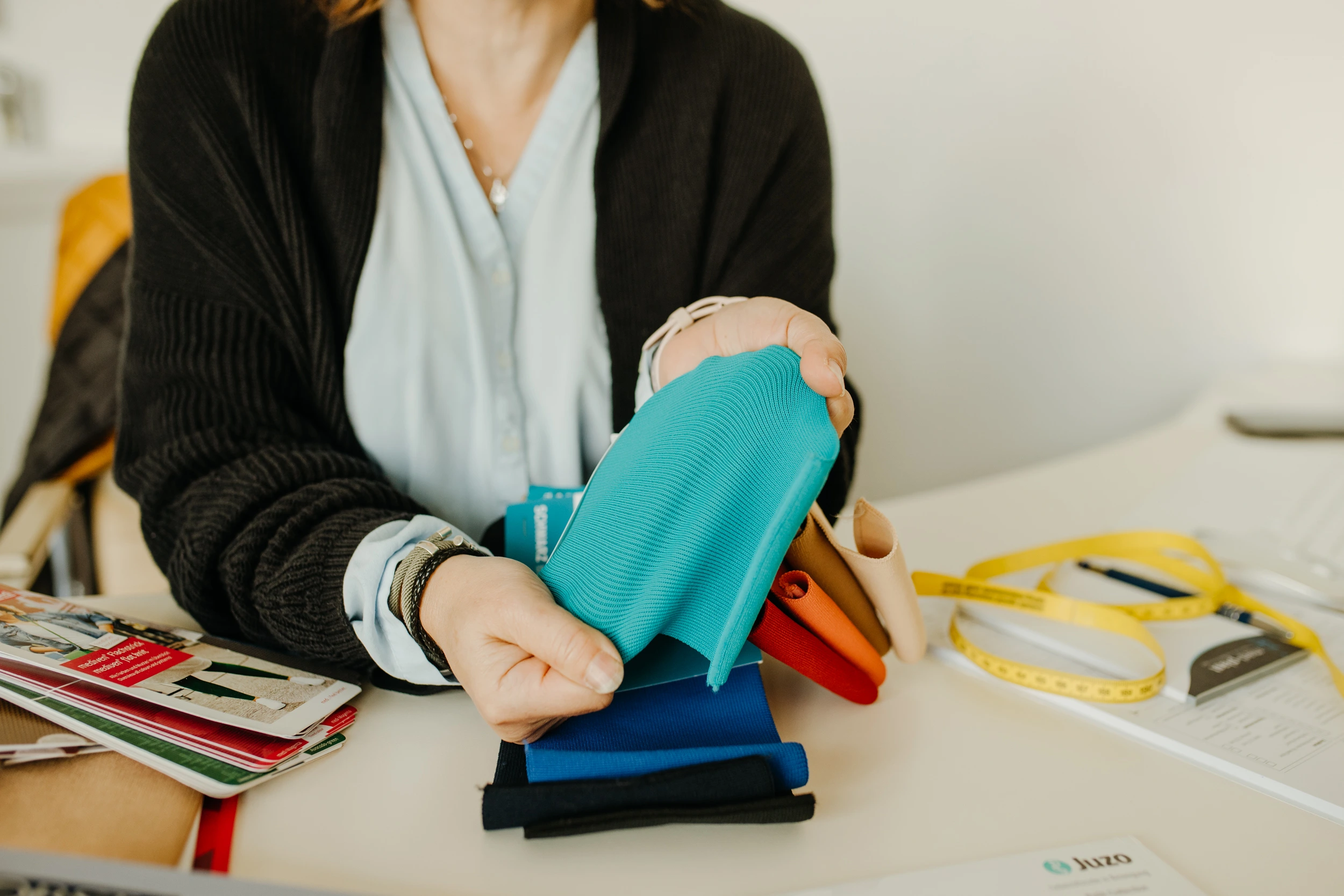
In our view, flat-knit compression garments play an important preparatory role.
Through constant pressure, they can:
- reduce fluid
- relieve the tissue
- support microcirculation
- and help control swelling.
In our clinical experience, this often makes the tissue softer and easier to operate on.
Why Manual Lymphatic Drainage Can Be So Important
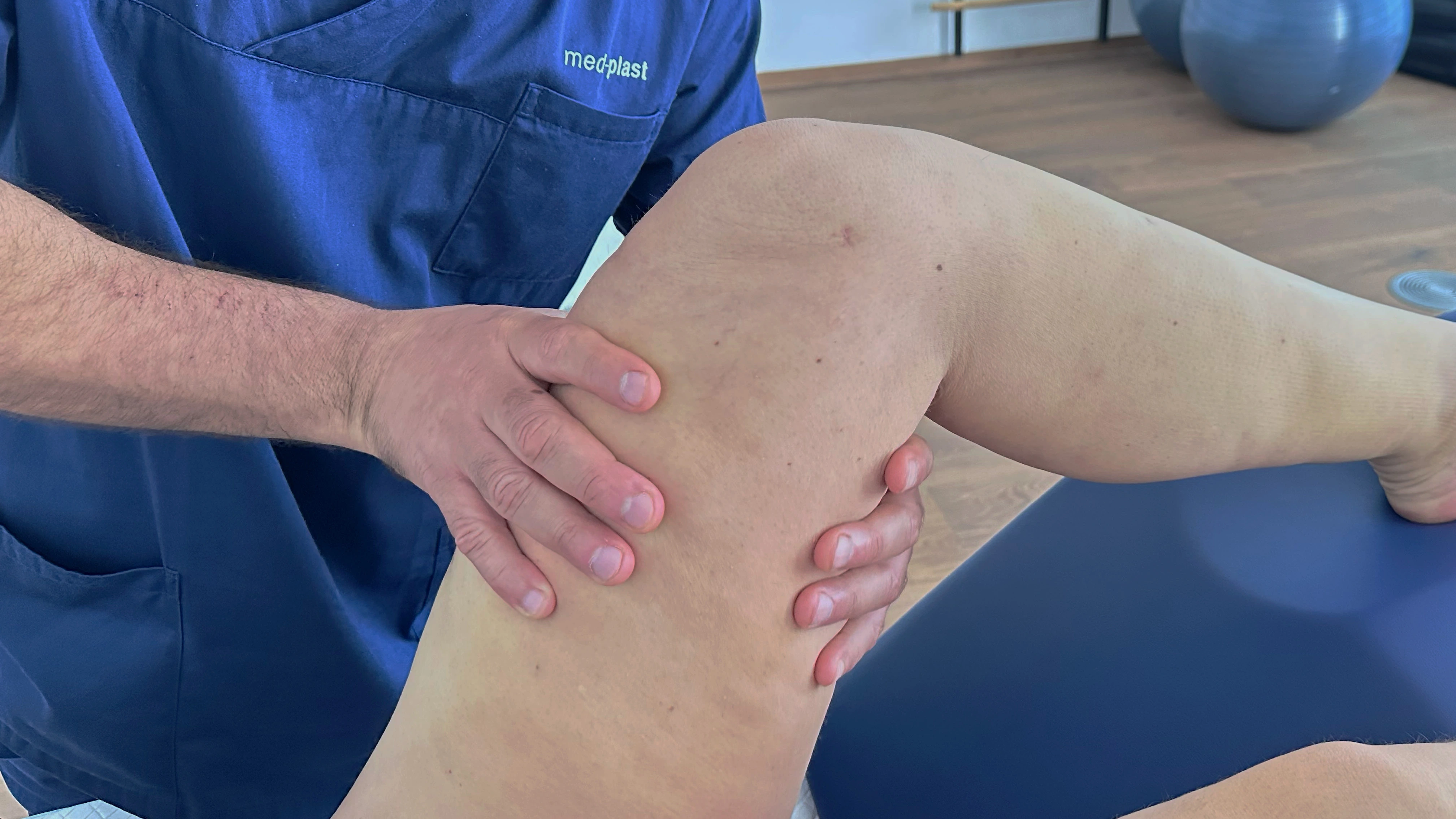
In our view, manual lymphatic drainage is one of the most important preparatory building blocks.
Especially shortly before surgery, it can help further reduce:
- excess fluid
- interstitial swelling
- and tissue tension.
Put simply:
The tissue should enter surgery as "decongested" as possible.
This can improve visibility, precision, and tissue quality intraoperatively.
Diet and Exercise as Supporting Factors
Nutritional therapy and increased physical activity can also be helpful.
While the underlying lipedema tissue itself cannot be changed conservatively, optimizing metabolism can still help to:
- reduce general inflammatory processes
- influence non-lipedema-related fat cells
- improve mobility
- and make the overall surgical situation easier.
Conservative Therapy Has Possibilities — But Also Limits
An honest assessment matters to us here:
- completely eliminate the anatomical cause of lipedema
- relieve symptoms
- reduce swelling
- prepare the tissue
- improve symptoms
Because the structural overgrowth of fat tissue, connective tissue, and skin remains.
That is exactly why we see conservative therapy primarily as a preparatory and supporting part of a holistic treatment concept.
In our experience, nervousness before a consultation like this — and limited focus during an intense conversation — can make it easy to forget a lot afterward. Feel free to bring your partner, a family member, or your best friend along to our consultation! That way, you can go over the conversation and its key points together again afterward.
How Does Lipedema Surgery Work?
That always depends on your individual symptoms, the condition of your tissue, and any prior treatment. On our page about lipedema surgery, we explain the process, the key steps, and what patients should keep in mind.
More About Lipedema Surgery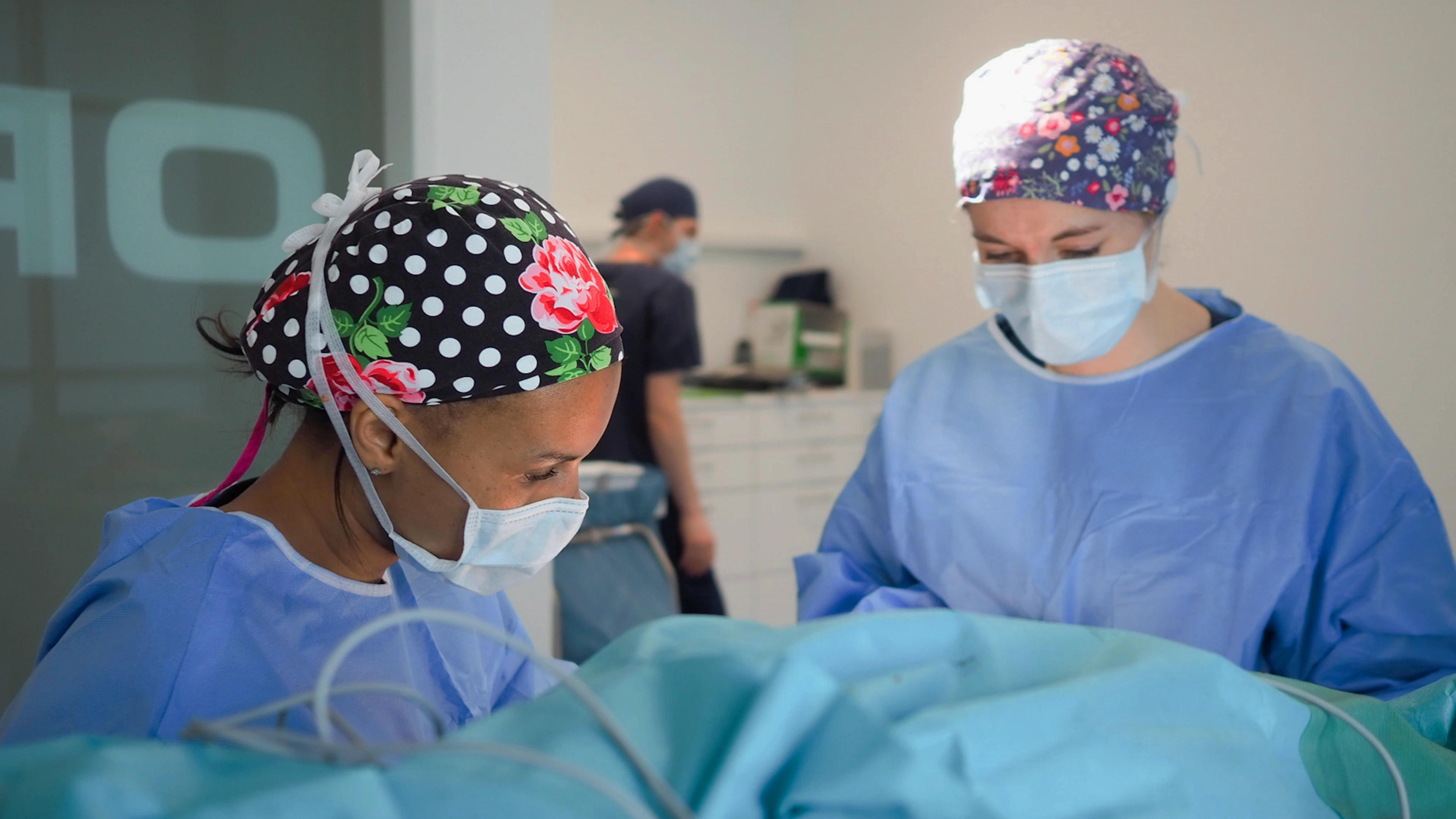
We answer the most common questions on this topic together on our Diagnosis page, to avoid duplicating content here.