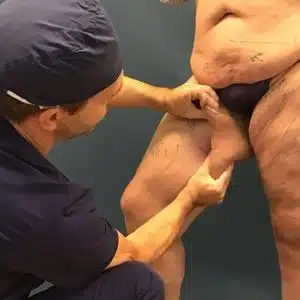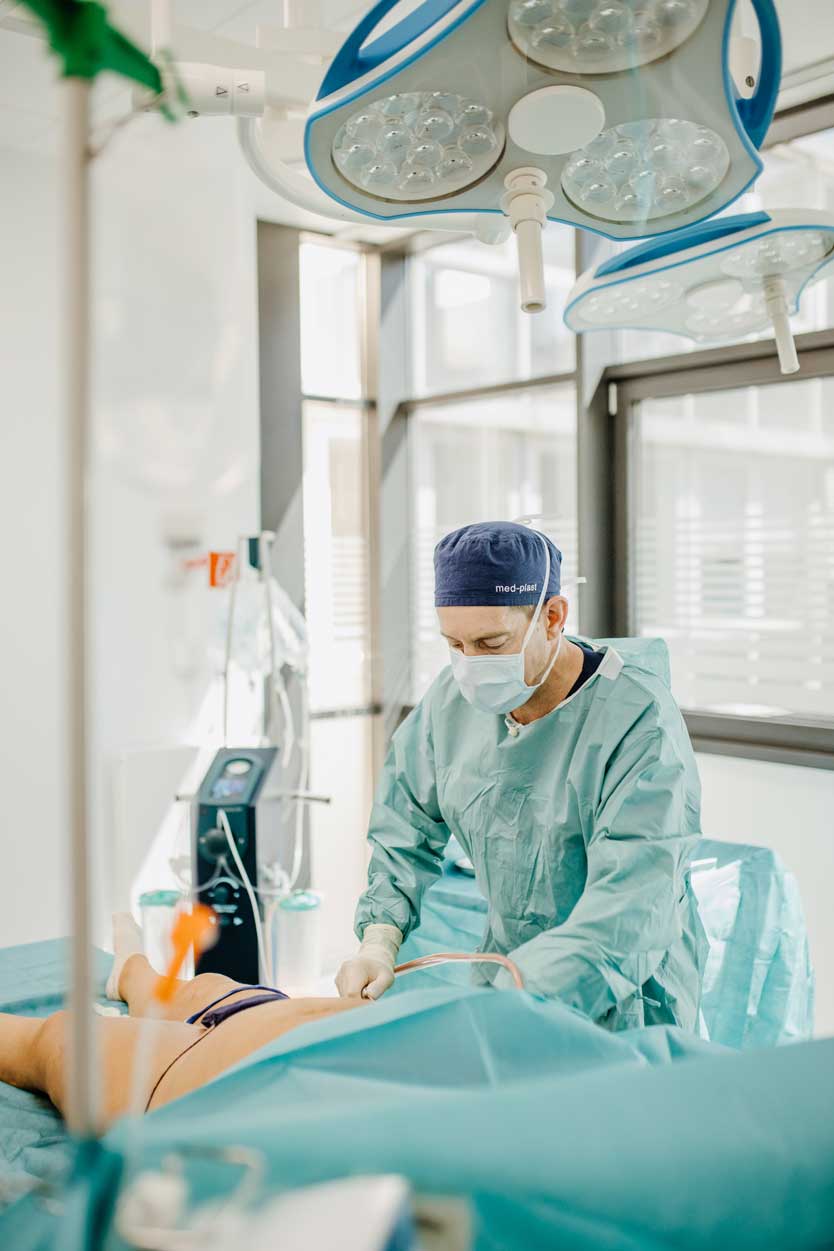





The different stages of lipedema help to determine the progression and severity of the condition. Many women feel frustrated because they don't realize they may have lipedema when fat deposits on their legs, hips, or arms simply won't budge. A diagnosis from a specialist is therefore an important first step toward treatment. Only once the stage is known can an effective therapy be planned and the fat deposits finally be addressed.
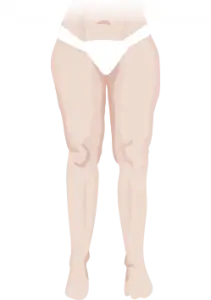
So what lipedema stages are there? There are three lipedema stages. They describe the structure of the tissue and the texture of the skin, ranging from a smooth skin surface with even thickening to thickened tissue with overhanging fat lobes.
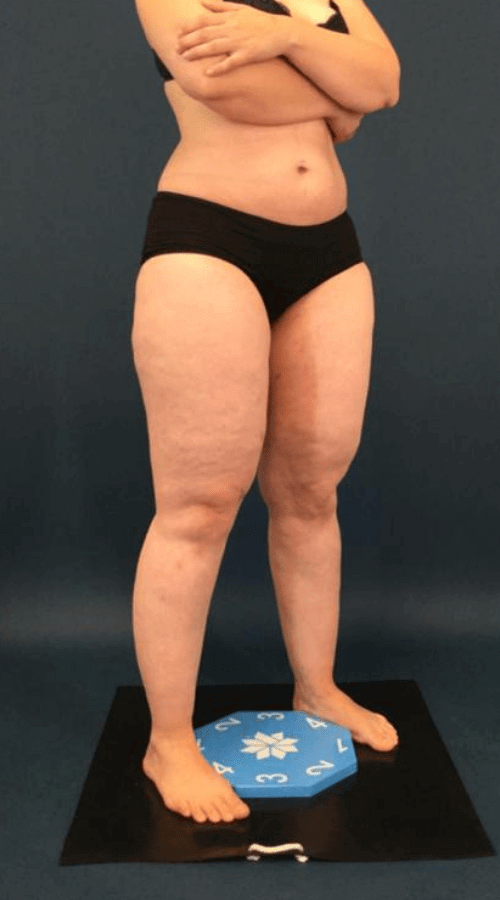
Lipedema Stage 1
Stage 1 of lipedema is characterized by
- still-smooth skin,
- only minor volume
- and firm connective tissue.
At this stage, lipedema symptoms are minimal. The skin appears smooth, and only slight unevenness in the fatty tissue is noticeable. Even so, the legs can already feel heavy and pain can occur. Mild inflammation without palpable nodules is possible. In Stage 1, the effects of lipedema are still comparatively mild, but the symptoms can already be noticeable. It's important to get an early diagnosis and start appropriate treatment to prevent the lipedema from progressing.
Lipedema Stage 2
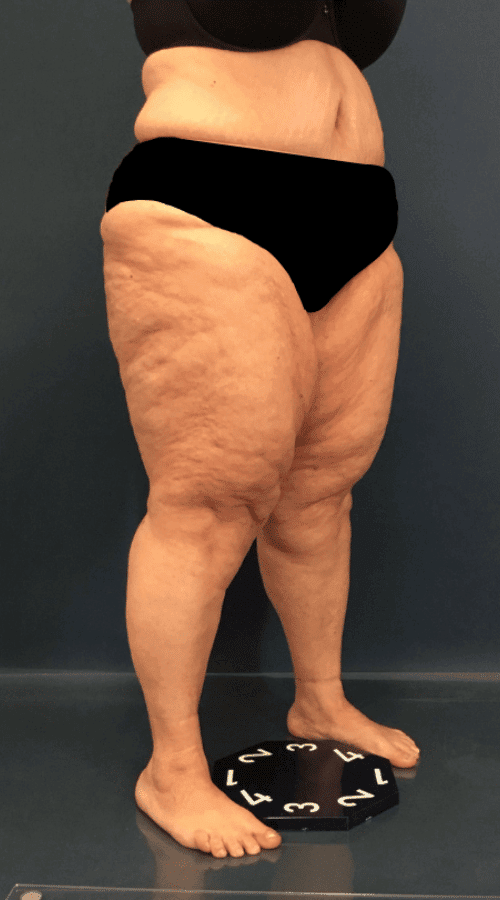
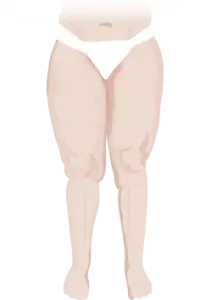
In Stage 2 of lipedema, symptoms are already more clearly visible.
The skin shows dimpling and unevenness caused by the lipedema.
More of the skin is affected, sitting over an increased volume of fatty tissue.
The connective tissue becomes looser and the legs feel heavier.
In addition to the Stage 1 symptoms, Stage 2 can also bring pain and swelling.
An increased inflammatory response can be seen, accompanied by palpable nodules in the tissue.
At this stage, the effects of lipedema are already more pronounced, and it's important to start appropriate treatment to prevent further deterioration.
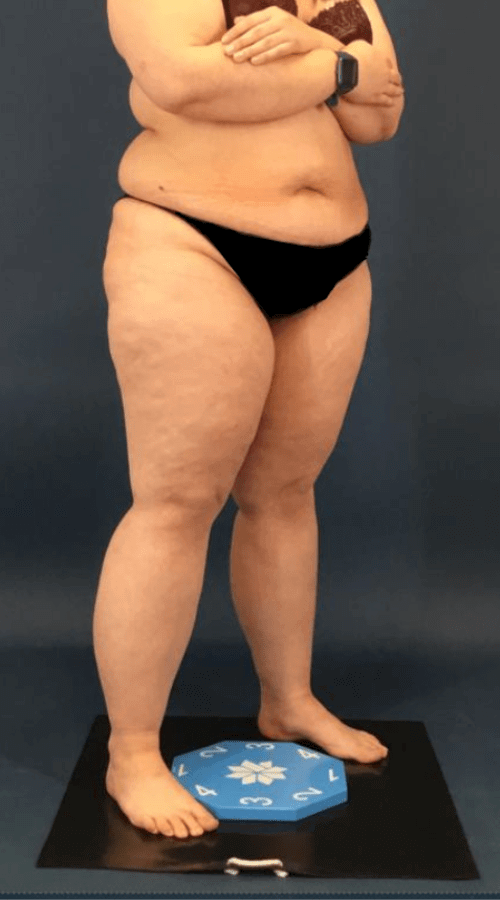
Lipedema Stage 3
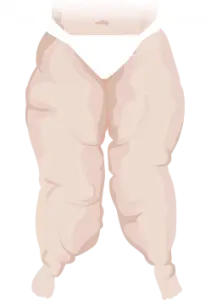
In Stage 3 of lipedema, symptoms are at their most severe.
There is a large amount of skin over a substantial volume of connective tissue, although the fat volume often doesn't increase significantly compared to Stage 2.
Severe inflammatory reactions occur, with very painful nodule formation in the tissue.
The skin is significantly altered and shows deep dimpling.
The fatty tissue can harden.
The legs are severely swollen and cause significant pain.
Restricted mobility is common, and patients' quality of life is significantly impaired. At this stage, appropriate treatment - such as surgical therapy or a combination of conservative and surgical measures - is essential to relieve the symptoms and improve those affected's quality of life.
Not sure if this applies to you?
Book a free, no-obligation consultation with our specialists.
Lipedema Stages and Lipedema Types
In addition to the different lipedema stages, there are also different types of lipedema, which vary depending on the body region affected. Excess fat deposits usually start at the hips and gradually spread over the legs, but only the lower legs or ankles can be affected as well.
It's important to note that the classification into stages and types isn't always clear-cut, and mixed forms can occur.
Stage-Appropriate Treatment of Lipedema
Stage-appropriate treatment of lipedema aims to relieve symptoms, slow the progression of the condition, and improve the quality of life of those affected. An early diagnosis and comprehensive care from an experienced treatment team are essential. Depending on the stage of lipedema, different treatment approaches are chosen, which are best discussed with a specialized lipedema doctor.
- In the early stage (Stage 1), conservative measures such as wearing compression garments and manual lymphatic drainage can help reduce swelling and improve lymphatic flow. A healthy diet and regular exercise can also help. In some cases, however, surgical treatment can already be considered in Stage 1. The decision for surgical therapy should be made in consultation with an experienced lipedema specialist.
- In advanced stages (Stage 2 and 3), surgical therapy in the form of liposuction can be considered in addition to conservative treatment. This removes excess fatty tissue to reduce volume and improve symptoms. Liposuction should, however, be performed by experienced specialists with expertise in treating lipedema.
Our treatment concept takes both medical circumstances and personal needs into account. In the first phase, we assess how well any previous conservative measures are working, in order to derive further treatment recommendations. We place great importance on tailoring treatment individually to each patient.
Looking for a doctor for your lipedema?
Book an appointment and come to our clinic in Berlin. From the initial consultation to the final surgery, we provide individual care and support you every step of the way toward a pain-free life.
Book an Appointment