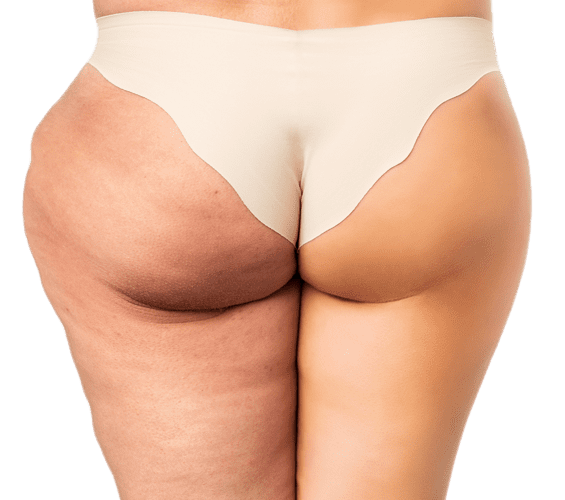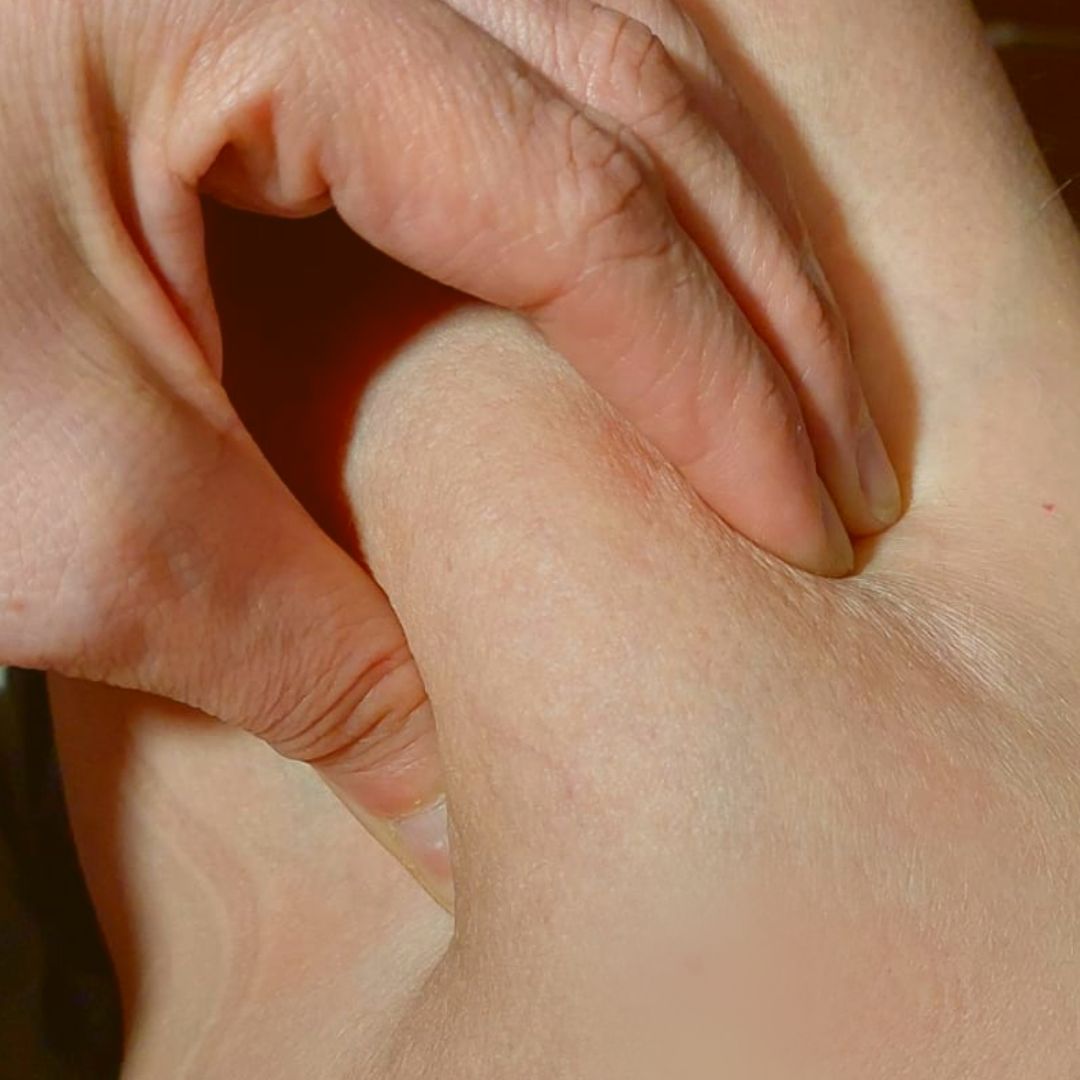





Definition, characteristics, and where the current medical understanding stands.
Lipedema is still often described in simplified terms as a mere „fat distribution disorder“. In our clinical experience, however, this definition falls well short of the reality.
Lipedema is not simply a change in body shape — it is a complex condition affecting multiple tissue structures, with individual symptoms and often considerable suffering.
Many patients suffer not only from a visible increase in volume, but above all from:
- Pressure-induced pain
- Tenderness to touch
- A feeling of tightness
- Swelling
- Limitations in everyday life
This often creates the feeling that, despite exercise, diet, and considerable discipline, one’s own body no longer responds in an understandable way.
After thousands of surgical procedures and countless clinical examinations, we don’t view lipedema as purely a fat issue, but as a complex change affecting fatty tissue, connective tissue, skin, and fluid balance.
Each patient develops an individual pattern of symptoms, tissue quality, and skin changes. No two cases of lipedema are alike.
That’s why the individual assessment of every patient is central to how we work. To truly understand the condition, tissue, symptoms, and clinical context all have to be considered together.
Why many patients feel misunderstood for years
Over the years, many patients find that their symptoms aren’t properly recognized, or are even called into question. Lipedema remains one of the most misunderstood conditions in medicine today. One key reason is that it plays almost no role in standard medical education. At the same time, there is still no structured surgical specialty training focused specifically on lipedema surgery.
The scientific evidence base is also continuing to evolve. Even so, everyday clinical practice repeatedly reveals gaps between theoretical explanatory models and the actual symptoms many patients experience.
Why many symptoms go unrecognized for so long
As a result, many patients go through a long and exhausting medical journey. It’s not uncommon for them to consult numerous specialists — dermatology, phlebology, vascular surgery, or orthopedics — without the real cause of their symptoms ever being identified.
Often, other diagnoses such as obesity, chronic venous insufficiency, fibromyalgia, or psychosomatic complaints are made first. An existing lipedema may be overlooked as the cause or a contributing cause of the pain and limitations, especially when the typical changes are only mildly pronounced externally.
Many patients feel left alone with their symptoms. It’s often only through contact with a specialized lipedema center that the condition is finally explained in an understandable way — and taken seriously.
When Exercise and Diet Still Don’t Help
Year after year, many patients hear the same sentence: „You just need to lose weight.“ This is one of the most common — and most distressing — misconceptions surrounding lipedema.
Many patients eat mindfully, exercise regularly, and have already been through numerous diets, without their symptoms improving significantly. At the same time, many report that certain body regions remain almost unchanged despite weight loss — or even continue to increase in volume.
That doesn’t mean diet and exercise are unimportant, though. A healthy lifestyle can have a positive effect on many symptoms and help stabilize the body over the long term.
What matters is a nuanced view: not every increase in volume is automatically obesity, and not every patient shows the same symptoms, tissue changes, or distribution patterns.
Quick answers
Many patients lose weight in the upper body while their legs or arms remain comparatively unchanged. Patients frequently report that lipedema fat changes noticeably less than other body regions, even with weight loss.
Yes. Physical activity can have a positive effect on mobility, circulation, and overall wellbeing. Many patients also report that regular activity helps them feel more resilient in everyday life.
Where Does Lipedema Pain Come From?
Many patients report pressure-induced pain, a feeling of tightness, or pronounced tenderness to touch. But how do these symptoms actually develop?
Why does pressure build up?
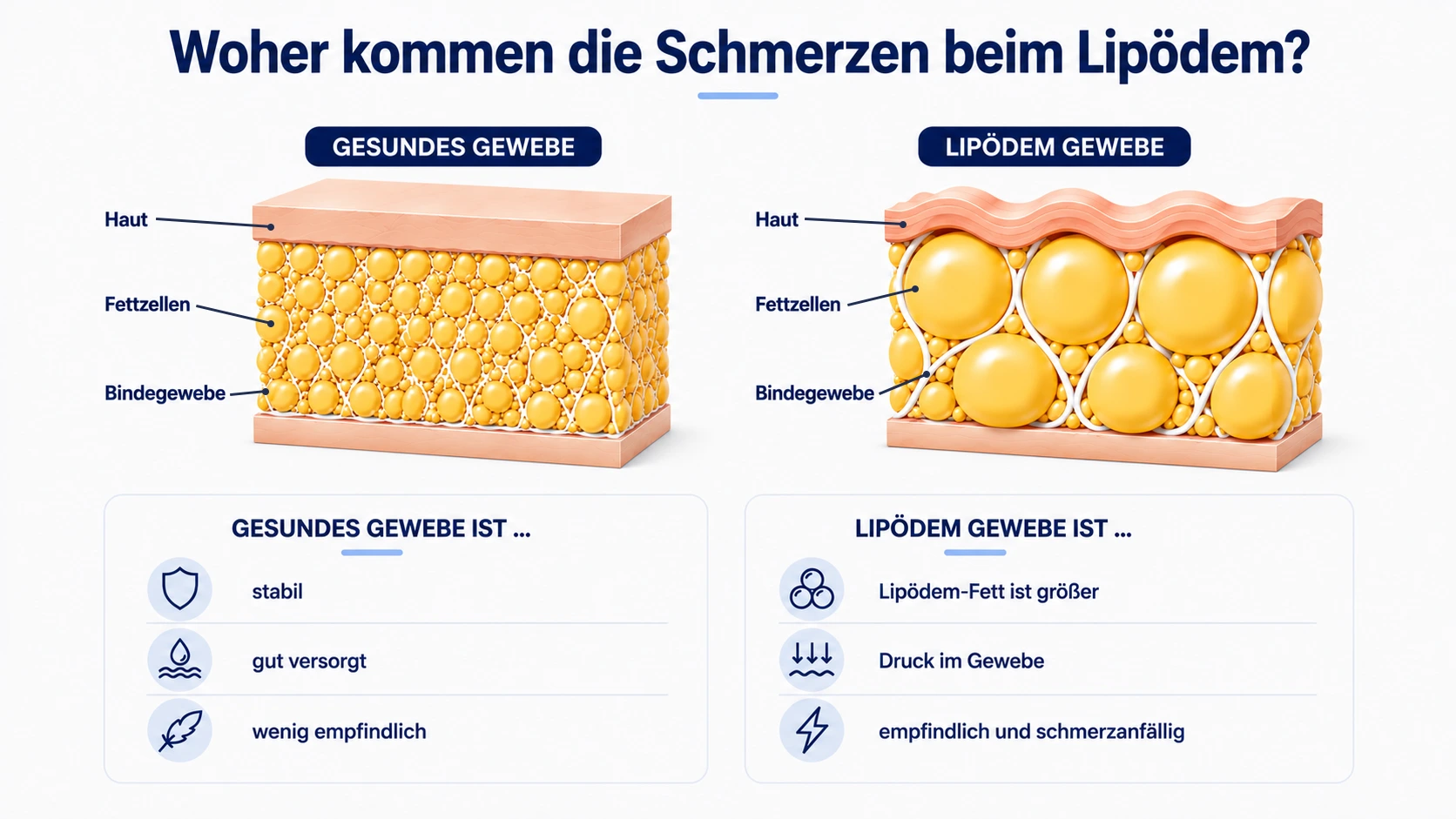
In lipedema, the affected fatty tissue increases in volume. But the space available beneath the skin stays limited. This creates increased pressure within the tissue, which many patients experience as tightness, tenderness, or pain.
Why does the tissue become sensitive?
The increased pressure in the tissue can impair its normal supply and resilience. At the same time, localized inflammatory processes can develop, making the tissue even more sensitive. As a result, even light touch, pressure, or close contact with clothing can feel uncomfortable or painful.
Why can the pain increase over time?
When pain is triggered repeatedly over a longer period, the nervous system can become more sensitive to these stimuli. As a result, pressure-induced pain, tightness, or tenderness to touch can be perceived as more intense over time.
Quick answers
Many patients report that walking, exercise, or prolonged standing can intensify their symptoms. Tenderness, a feeling of tightness, and the strain placed on the altered tissue can make movement feel uncomfortable or painful.
Prolonged standing, sitting, or physical exertion can cause tightness and swelling to increase over the course of the day. Many patients therefore report more pronounced symptoms in the evening than in the morning.
Yes. Even slim women can experience pronounced symptoms. Pain intensity doesn’t depend solely on body weight or visible volume.
Why Does Every Case of Lipedema Need to Be Assessed Individually?
Not every case of lipedema looks the same. Not every patient develops the same symptoms, the same tissue quality, or the same disease progression. In our view, this high degree of individuality is one of the defining features of lipedema — and, at the same time, one of the biggest challenges in diagnosis and treatment.
While some patients are mainly affected in the legs, others also show changes in the arms or other body regions. Tissue quality can also vary considerably — some tissue feels soft and uneven, other tissue firmer, tighter, or more fibrotic.
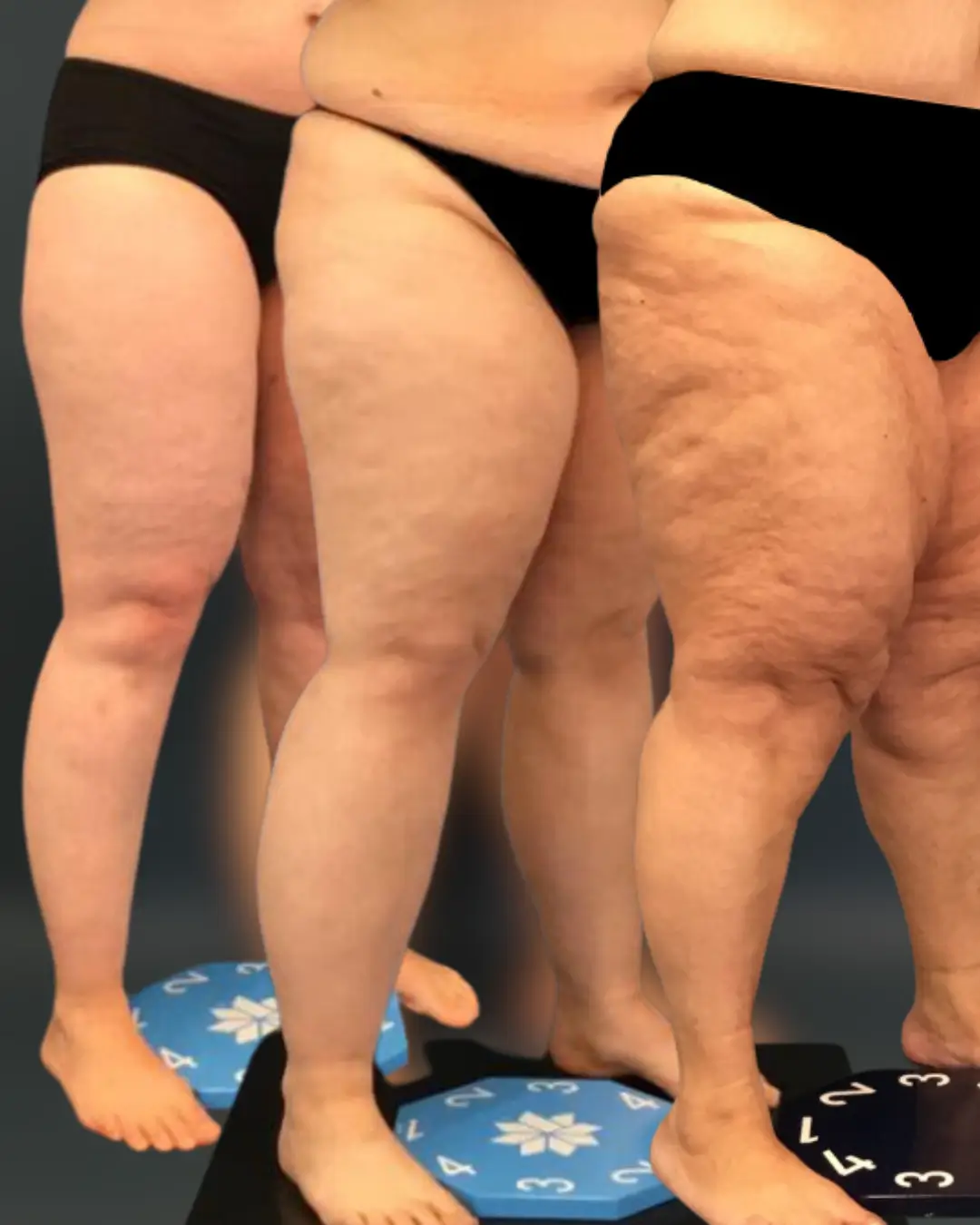
Some patients experience severe pain, tenderness, and considerable limitations in everyday life early on, even though only minor changes are visible from the outside. Other patients show markedly larger increases in volume but report comparatively milder symptoms. That’s exactly why, in our view, lipedema can’t be meaningfully explained by visible volume, weight, or rigid staging systems alone.
Why volume and pain don’t always correlate
A particularly important point is that visible volume doesn’t automatically correlate with the severity of symptoms. Large volume doesn’t necessarily mean severe pain. At the same time, even seemingly early-stage findings can cause considerable suffering.
That’s exactly why we don’t view lipedema as a standardized condition with fixed patterns, but as an individual clinical picture as a whole. What matters most is always tissue quality, symptoms, limitations in daily life, skin, connective tissue, and each patient’s personal course of the condition.
Why Aren’t BMI and Staging Enough on Their Own?
Many patients wonder what role BMI, body weight, or the classic staging system play in assessing lipedema. These figures can provide useful points of reference, but they often explain only part of the actual clinical picture. Even at a similar BMI or the same stage, symptoms, pain intensity, and functional limitations can differ considerably.
Can lipedema be identified by BMI?
No — the Body Mass Index (BMI) only describes the ratio of body weight to height. It can’t be used to draw conclusions about symptoms, pain, or the individual presentation of lipedema.
Our clinical experience repeatedly shows that even slim women can develop pronounced lipedema with considerable suffering. Conversely, a higher BMI doesn’t automatically mean that all symptoms can be explained by body weight alone. BMI can offer a point of reference, but it cannot replace an individual clinical assessment.
Does stage 3 automatically mean more severe symptoms than stage 1?
The classification into stage 1, 2, or 3 primarily describes certain visible tissue and skin changes. However, it provides only limited information about how much a particular patient is actually affected.
Neither pain, tenderness, mobility, nor everyday limitations can be reliably predicted from a stage alone. Even two patients with the same stage can develop completely different symptoms.
In our view, staging should therefore always be understood as a general point of reference — never as the sole basis for assessing an individual patient.
No BMI, no circumference measurement, and no staging system can fully capture a patient’s individual situation. They can provide useful points of reference, but they cannot replace an individual clinical assessment.
Quick answers
Because tissue quality, palpation findings, pain, and functional limitations are often far more informative than individual numbers or categories. Only by combining several factors can an individual assessment be made.
Still unsure?
Not sure whether your symptoms could point to lipedema? Our lipedema self-test takes just 3 minutes.
Every Case of Lipedema Is Individual
In a personal consultation, we'll analyze your symptoms, your history, and your individual situation together with you.