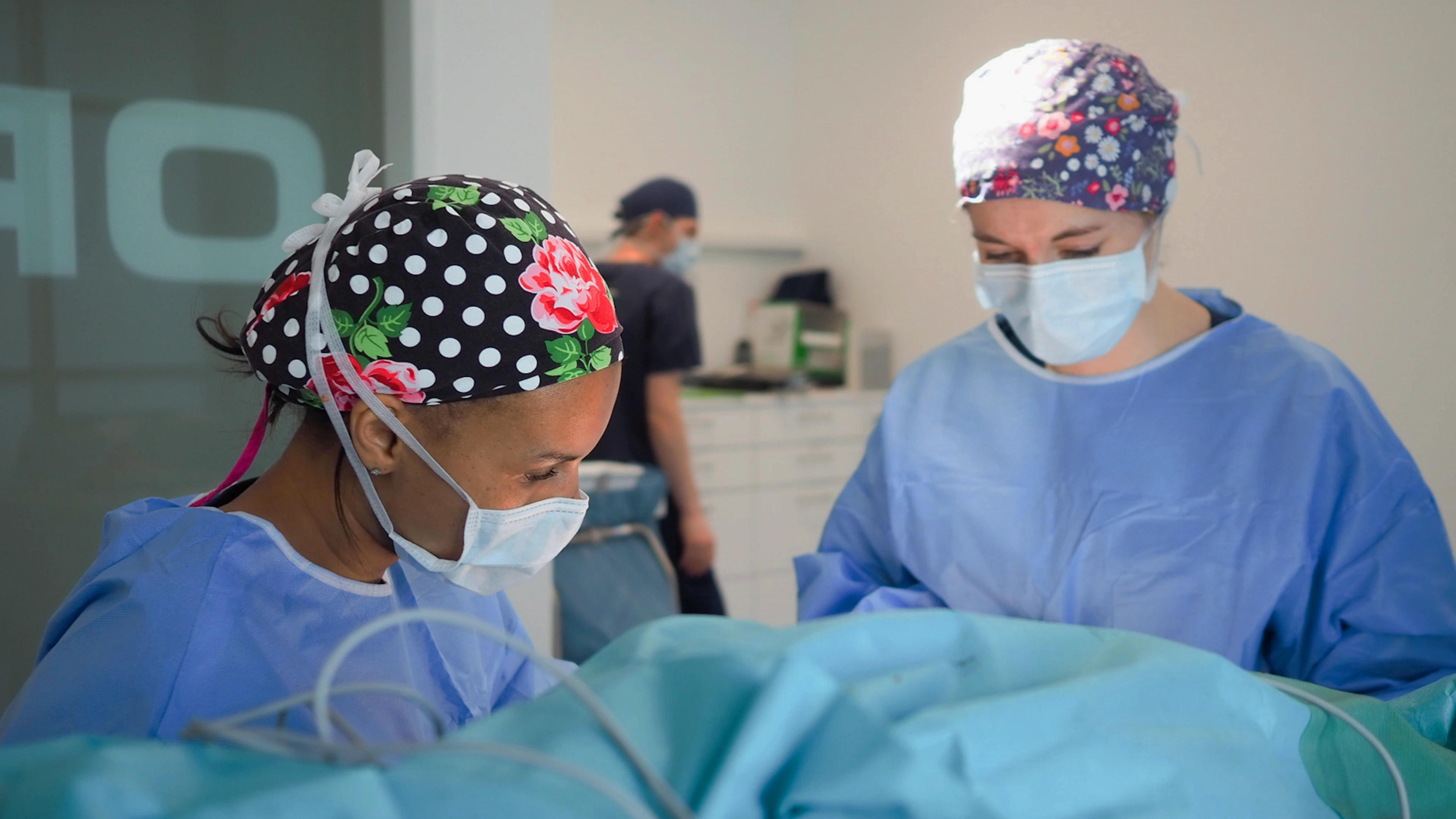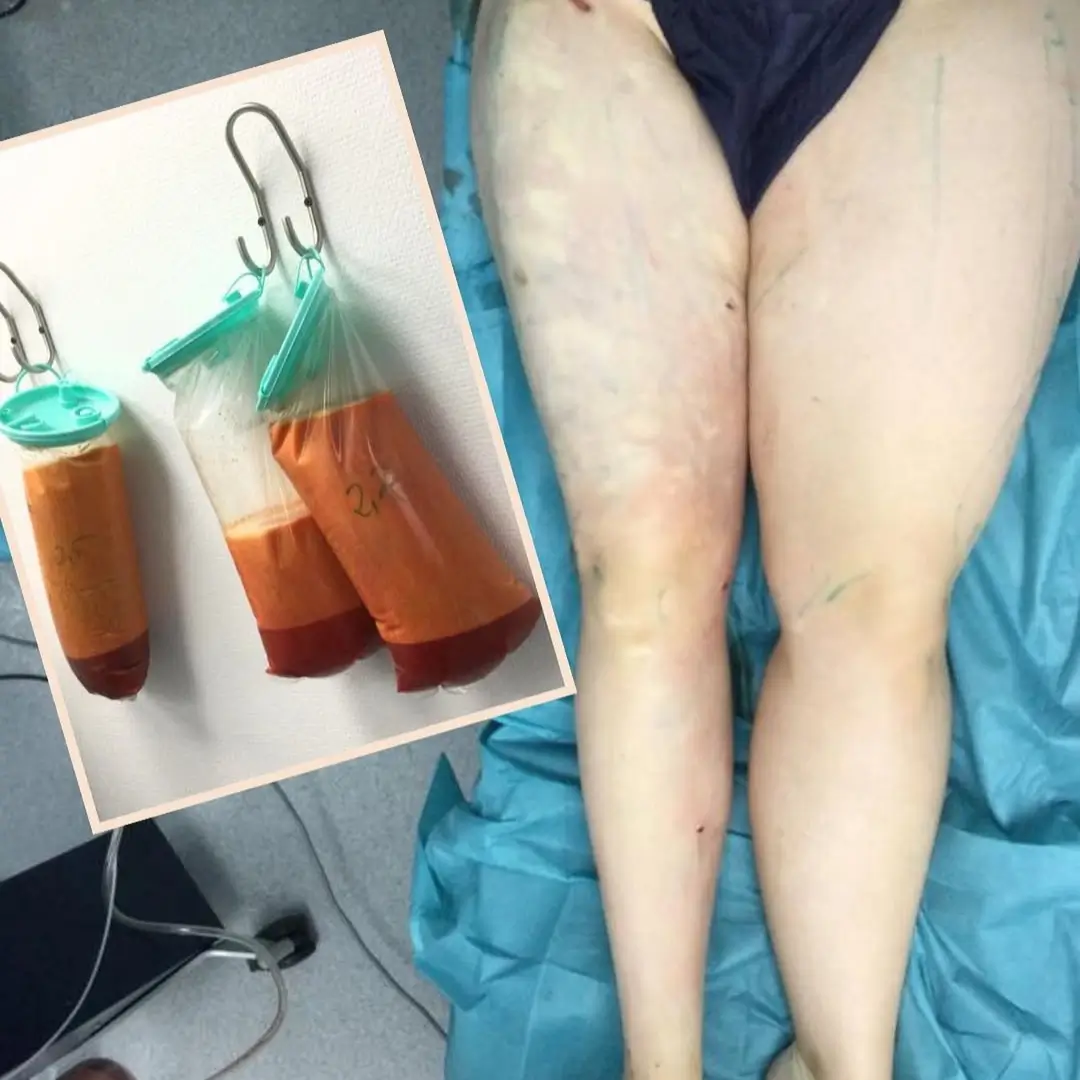





We know this condition inside out, and we won't leave you to figure it out alone.
Lipedema is a chronic condition in which fatty tissue accumulates unevenly and symmetrically in the legs, arms, or other parts of the body. This condition occurs mainly in women and can be genetic. Before a diagnosis is made, however, it is worth knowing the most important signs of lipedema.
How Is Lipedema Diagnosed?
In our view, diagnosing lipedema is far more than a quick glance, a table, a BMI value, or a staging system. A truly accurate diagnosis takes time, experience, and the highest level of clinical expertise.
Lipedema is highly individual. No two patients look alike, and no two cases progress identically. That is precisely why, for us, modern diagnosis always begins with listening.
Why Empathy Is Part of Diagnosis
Without listening, it is impossible to understand a patient’s individual level of suffering. Many affected women endure years of doctor-hopping, misdiagnoses, or having their symptoms dismissed. That is why we see empathy not as an extra, but as a core part of a serious diagnosis.
Only once we understand what is burdening the patient, where the pain arises, when swelling occurs, and how severely daily life is actually restricted, can a meaningful medical assessment take place.
Diagnosis Means: Seeing, Feeling, Understanding
In our view, the diagnosis of lipedema is purely clinical. What matters is the overlap between:
- what the patient describes
- what we see
- and what we can feel
An experienced examiner recognizes the anatomy, tissue quality, distribution, swelling dynamics, and the characteristic tenderness to pressure.
Lipedema is not just visible — above all, it is palpable.
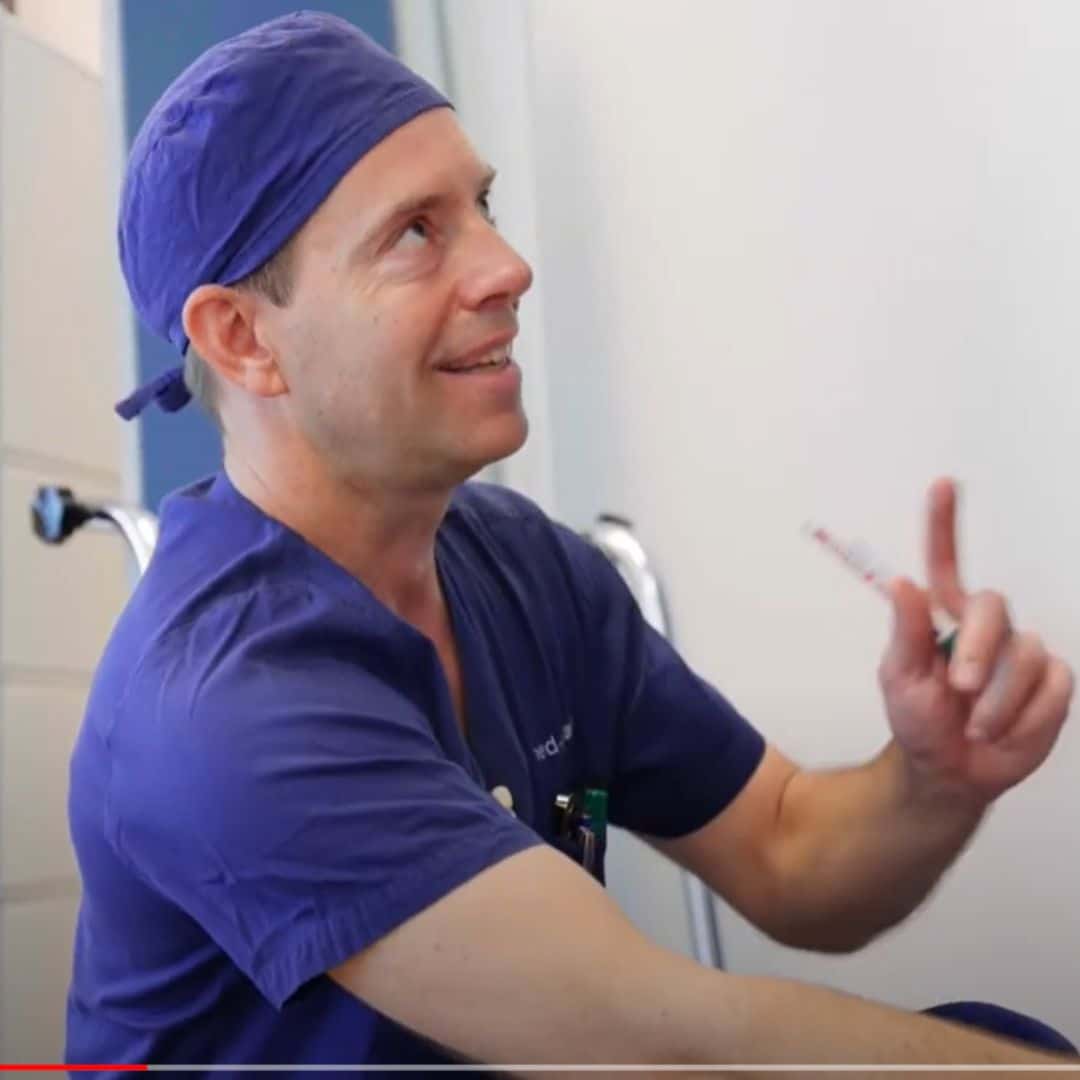
Why the Clinical Examination Is So Crucial
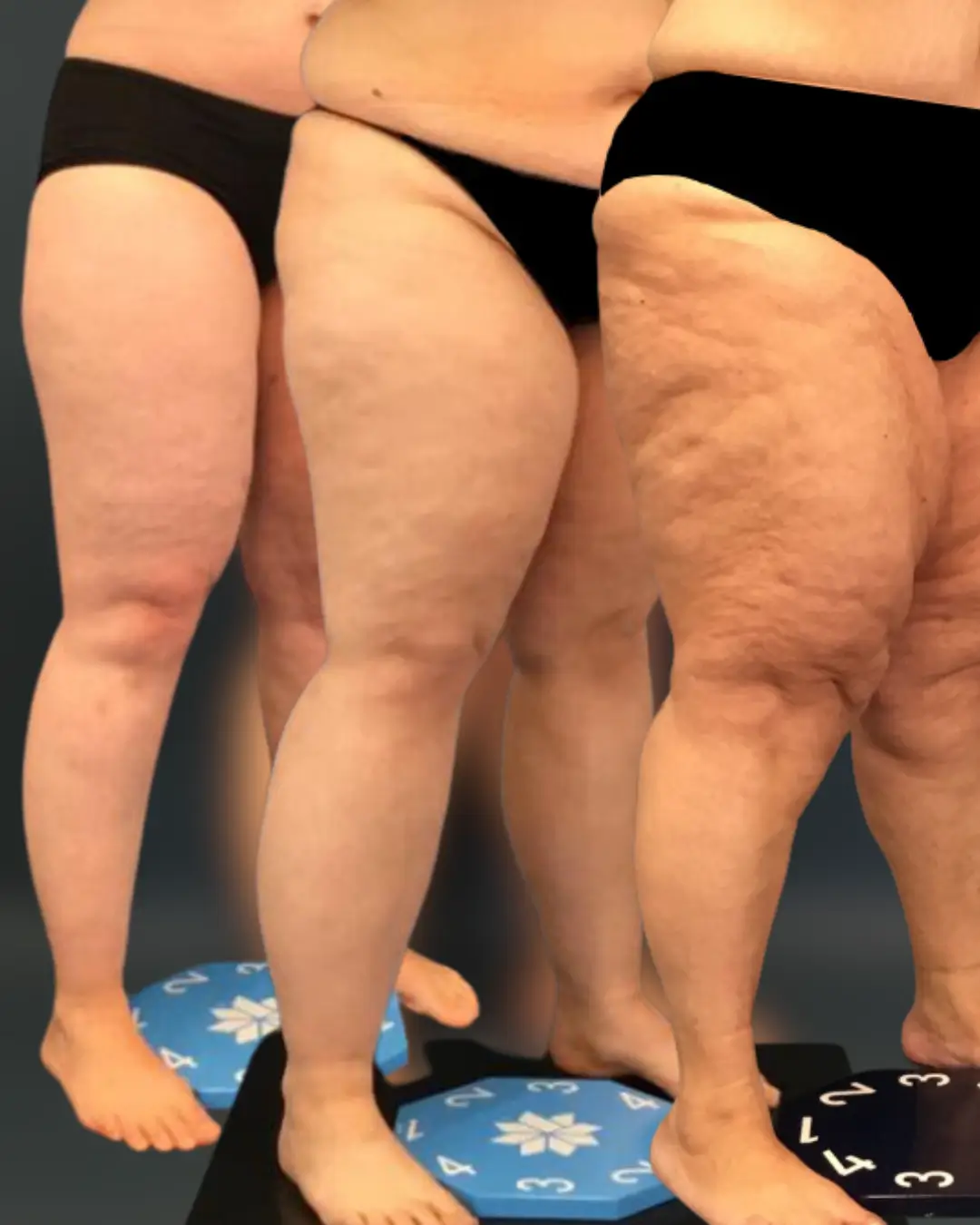
In our experience, lipedema can be examined like an individual “map.” Lying down and standing up change tissue pressure, swelling, fluid distribution, and the load on microcirculation.
This allows us to identify:
- where residual pressure-induced pain exists
- which tissue areas are affected
- how soft or taut the tissue is
- and how closely swelling and pressure are related
In our view, this functional examination is precisely what matters most.
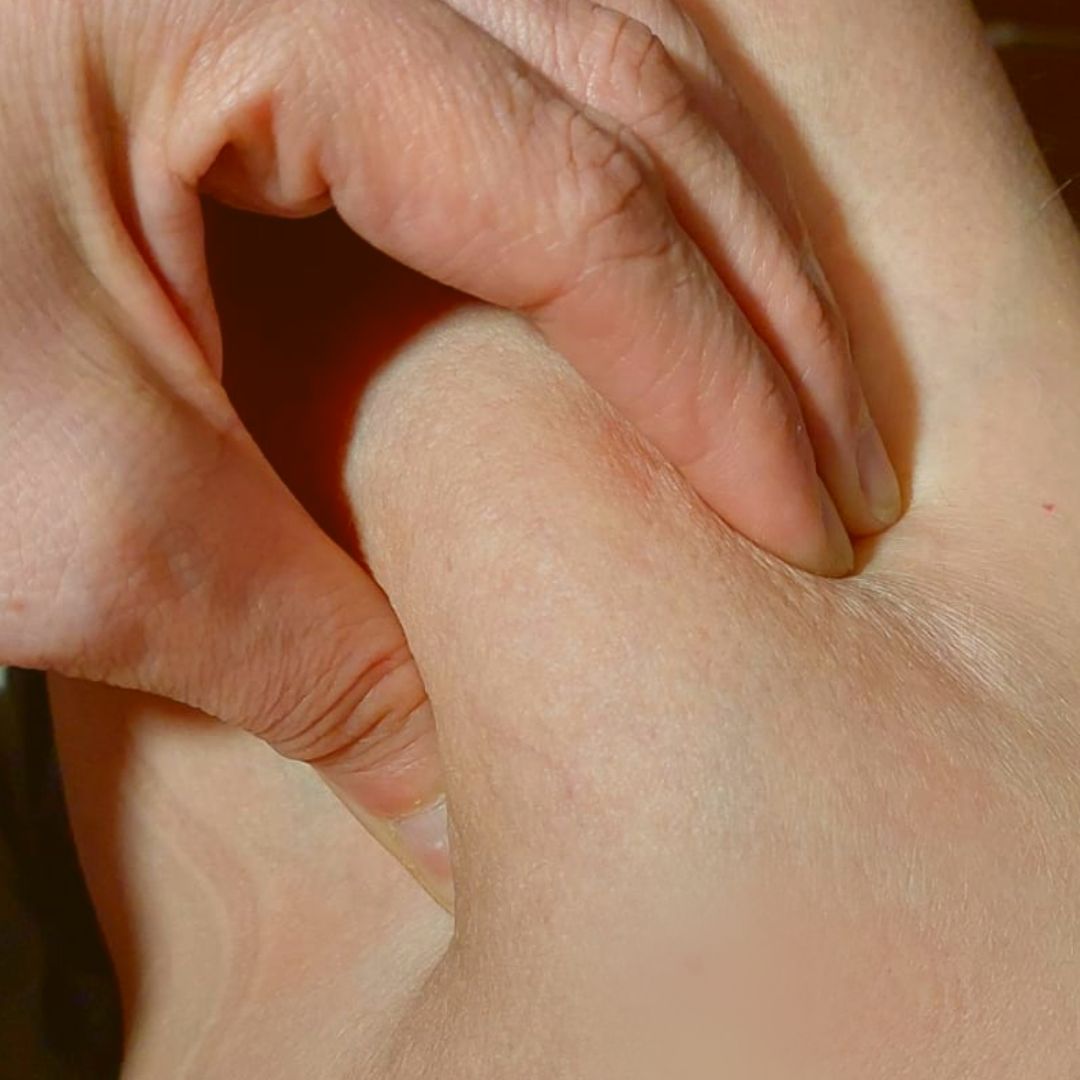
Lipedema Can Affect the Entire Body
Lipedema is often reduced to just the legs or arms. But based on our clinical experience and current scientific discussion, lipedema can affect the entire body.
Changes can also appear:
Depending on skin structure, connective tissue, and fluid retention, sometimes palpable fat is more prominent, and sometimes swelling and pressure dominate instead.
Why Swelling Varies From Person to Person
In our experience, visible swelling depends heavily on:
- how loose the skin is
- how much connective tissue is present
- how much fluid is retained
- and how pronounced the microcirculatory disorder is
Some patients show clearly palpable changes in fat tissue, while others primarily experience fluid retention and a feeling of tightness.
What Role Does Ultrasound Play?
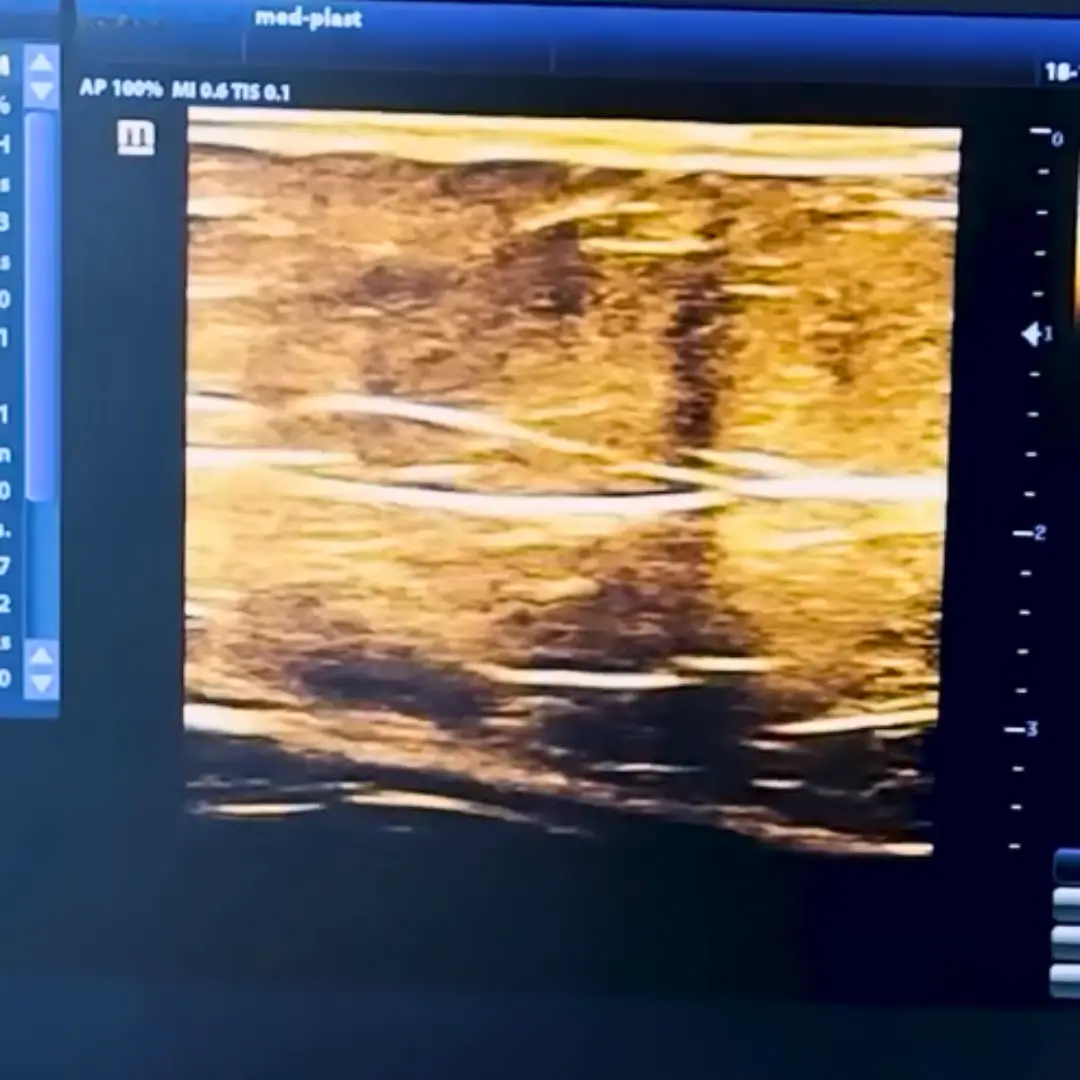
In our view, ultrasound is an important diagnostic tool. With modern sonography, we can clearly identify fluid, swelling, varicose veins, hernias, tissue changes, and other conditions.
Thickness measurements and follow-up monitoring are also possible.
What Ultrasound Cannot Do
According to current scientific understanding, however, ultrasound cannot conclusively prove lipedema.
There are indications and observations — for example, string-of-pearls tissue structures or typical fluid patterns — but so far there is no clear scientific evidence for these.
Ultrasound supports the diagnosis — but it never replaces the clinical examination.
Why We No Longer Think in Rigid Stages
We now consider the classic classification into Stage 1, Stage 2, or Stage 3 to be of only limited use.
A tape measure, scale, BMI, or circumference measurements do not explain a patient’s pain, suffering, tissue quality, or individual burden.
In our view, lipedema exists on a continuum, without fixed steps.
What Really Matters to Us
Ultimately, what matters is:
- What does the patient describe?
- What do we see?
- What do we feel?
- How does it all fit together?
Only from this clinical overlap does a serious diagnosis emerge.
And only afterward can we discuss together whether any treatment is needed at all, or whether, once the individual level of suffering is taken into account, a surgical indication makes sense.
Stages of Lipedema: Severity and Progression
Diagnosing lipedema is the first step toward treating and monitoring this chronic condition. After diagnosis, the condition is classified into different stages to describe its severity and track its individual progression.
Doctors often use a classification into so-called stages of lipedema. It is important to note, however, that not every patient goes through every stage, and that the symptoms and progression of lipedema can vary from person to person. Some patients already show pronounced symptoms and changes at an early stage, while others may only show clear signs of the condition at more advanced stages.
Regular examinations and monitoring make it possible to track the course of lipedema and adjust treatment as needed. It is important for patients with lipedema to understand that their individual symptoms and disease progression can vary.
Frequently Asked Questions About Lipedema Diagnosis
Lipedema is a widespread condition. In the United States alone, an estimated 17 million women are affected, and worldwide the figure is estimated at 370 million. Lipedema comes with significant physical and emotional suffering, as it remains widely misunderstood in society and offers little hope of improvement through conservative treatment alone. Although some publications state that “up to 10% of women are affected by lipedema,” we are not aware of scientifically robust figures on how many people are actually affected.
The cause lies in genetics, with flare-ups of the condition linked to hormonal fluctuations. This is why lipedema almost exclusively affects women. Men can genetically carry the predisposition for lipedema, but are typically protected from developing it outwardly due to the absence of female hormonal fluctuations. Accordingly, fewer than 1% of the patients we see at our med-plast clinic are men.
Lipedema is usually triggered by changes in female hormone levels. Flare-ups of fat tissue growth often occur in connection with puberty, pregnancy, or menopause. According to our latest findings, these can affect the entire body. Most commonly, however, the first symptoms appear in the legs and arms. Over time, lipedema can significantly reduce quality of life due to pain, restricted movement, and physical changes. We see psychological instability, social exclusion, and a lack of support due to many doctors’ unfamiliarity with the condition on a daily basis.
Every patient is unique. Lipedema can occur in all of its many different forms — at any stage or type. The transitions between them are fluid, and the distribution and affected body regions vary greatly from person to person.
Because lipedema involves an abnormal accumulation of fat cells that multiply and enlarge over time but cannot shrink in volume, it leads to the typical symptoms of pressure, pain, and a feeling of heaviness. The increased breakdown of excess fat cells also causes painful inflammatory reactions.
Typically, the condition first causes a general increase in volume and body weight. Once a certain threshold of volume is crossed, painful impairments appear in characteristic body areas — most often starting at the inner knees, outer thighs, and upper arms.
The focus is always on a holistic view of your situation. After a thorough conversation and examination, we can form a well-founded assessment of whether — and how — we would approach surgery for your individual situation.
Based on our experience and current scientific understanding, lipedema can affect the entire body! Different patterns of distribution and severity occur. Depending on the distribution and severity, each case of lipedema is highly individual. What always matters most are the symptoms that lead to the indication for liposuction in lipedema.

Many people still aren’t sufficiently familiar with lipedema as a condition. Doctors often hear the word "lipedema" for the first time only after finishing their basic medical training. Even during subsequent specialist training, lipedema is frequently left out. Even among specialists who deal with heavy, painful legs every day — such as angiologists and phlebologists — there is often a lack of understanding when the topic of lipedema comes up. Why? Simply because there is a lack of knowledge and everyday clinical experience with this condition.
And yet, among us specialists who work with this topic all day, every day, lipedema is now considered a widespread condition. An enormous number of women genuinely suffer from a reduced quality of life because of it.
According to studies, for half of all affected women, it takes 10 years to receive a "lipedema" diagnosis — despite clear symptoms.
At our lipedema clinic in Berlin, most of our patients arrive at their consultation already well informed. They come by recommendation, often already have experience with conservative therapy such as manual lymphatic drainage combined with flat-knit compression garments, and are well connected with one another. A genuine med-plast community has formed as a result, one that shares experiences and supports one another. What always matters most are the symptoms that lead to the indication for liposuction in lipedema.
How Does a First Consultation at med-plast Work?
A thorough conversation and a careful physical examination will not only give you certainty about your situation and a clear lipedema diagnosis ("yes/no"), but will also give you a realistic and clear perspective going forward. Because once we’ve defined our shared goal — improving your quality of life as much as possible — relief is usually followed immediately by a genuinely positive outlook.
You will finally be able to understand your situation better, because we explain exactly what we see and feel. Together, we can then assess whether — and how — our surgical approach could help you.
We don’t do anything different — trust us!
Medical History – A First Introduction
We take our time for you! Our consultations for an initial lipedema diagnosis typically last an hour, during which we listen to you and evaluate your situation holistically in an in-depth conversation. Often, the core question is simply "Do I have lipedema?," or an existing "lipedema diagnosis" needs to be confirmed by us as a second opinion. In most cases, though, we speak with very well-informed patients who have already had experience with conservative therapy and are interested in alternative treatment options.
The development and progression of your symptoms are of central importance here. We are interested, for example, in the first flare-ups of physical changes linked to hormonal shifts, such as puberty, taking the pill, or pregnancies. We also want to correctly assess your situation in relation to your general state of health. What about other conditions, prior surgeries, medications, or allergies? Is there a genetic link, for example through your mother’s appearance? What impact does lipedema have on your mental wellbeing, self-esteem, and sexuality? Do you feel socially excluded, or are you experiencing depression?
You will be surprised how clearly we can assess your situation! Whether for or against lipedema surgery, we’ll explain it to you!

In our experience, nervousness before a consultation like this — and limited focus during an intense conversation — can make it easy to forget a lot afterward. Feel free to bring your partner, a family member, or your best friend along to our consultation! That way, you can go over the conversation and its key points together again afterward.
How Does Lipedema Surgery Work?
That always depends on your individual symptoms, the condition of your tissue, and any prior treatment. On our page about lipedema surgery, we explain the process, the key steps, and what patients should keep in mind.
More About Lipedema Surgery