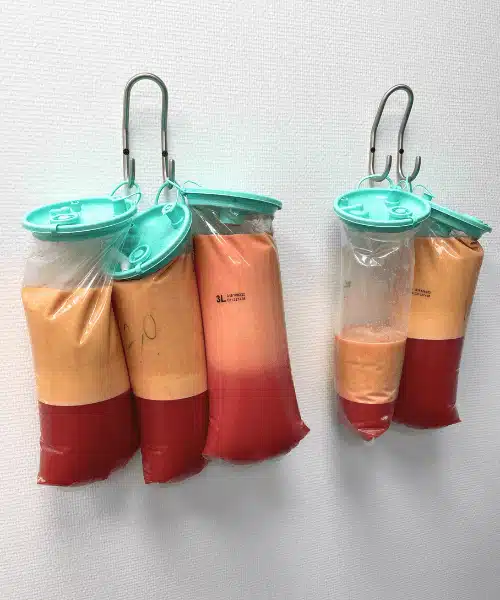





Anesthesia and pain management play a central role in perioperative lipedema care.
On one hand, patients shouldn't remember their surgery as an unnecessarily painful process. On the other hand, they rightly expect safety to be the top priority, especially for procedures that aren't immediately life-saving. Ensuring this safety is the core responsibility of anesthesia - and it's what we're here for, by our patients' side, throughout the entire surgery.
What Exactly Happens During Anesthesia?
The patient is asleep - and doesn't wake up when an incision is made through the skin.
Not sure if this applies to you?
Book a free, no-obligation consultation with our specialists.
Is the Brain Switched Off?
No, only consciousness is. Our anesthetic agents inhibit the chemical messengers in the brain responsible for transmitting nerve signals. These agents flow continuously into the bloodstream through what's called an IV line. A perfusor (infusion pump) ensures a precisely measured amount of anesthetic flows in steadily. When the perfusor is switched off, the supply of anesthetic stops, the amount already administered is quickly broken down, and nerve signal transmission to the brain starts working again - the patient opens their eyes, can breathe, and can answer questions, though genuine memory of these events only returns a few minutes later.
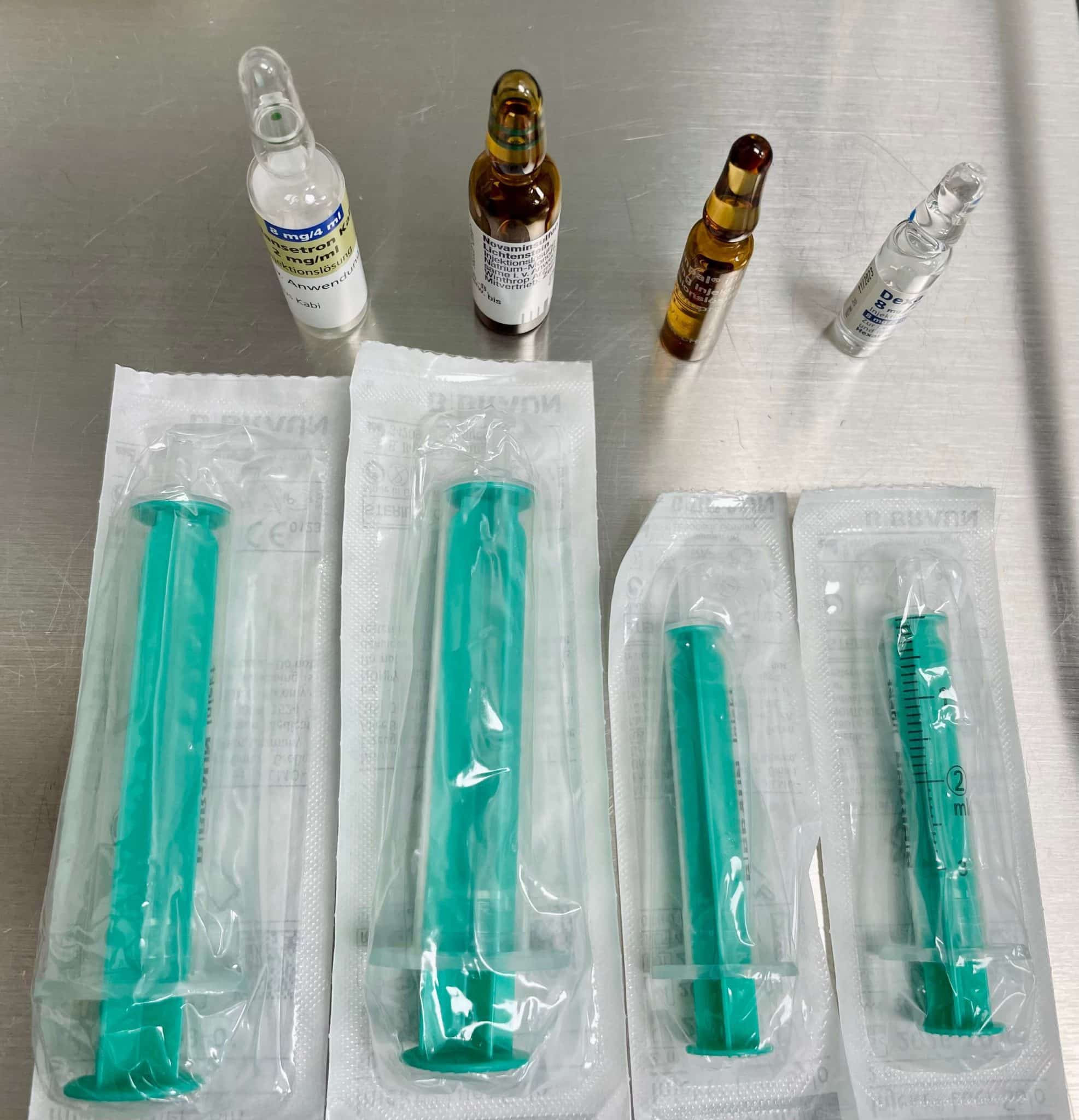
In addition to the agents that switch off consciousness, we also need pain medication. These pain medications are meant to keep working beyond the anesthetic sleep itself.
Fortunately, there is now a wide range of strong pain medications available today, so it's possible to find the best possible combination for each patient while keeping side effects to a minimum. For this reason, the smallest necessary dose should always be given. If that isn't enough, an additional dose must be given promptly. Patients aren't left alone overnight, so we can ensure that whatever is needed can be provided when required.
Generous replacement of body fluids is extremely important in lipedema surgery, to prevent circulatory problems during or after the operation. Even so, mild dizziness and circulatory issues can still occur, even days after surgery. The body needs time before the cells responsible for oxygen transport are rebuilt. That's why a few weeks need to pass before the next surgery can be planned.
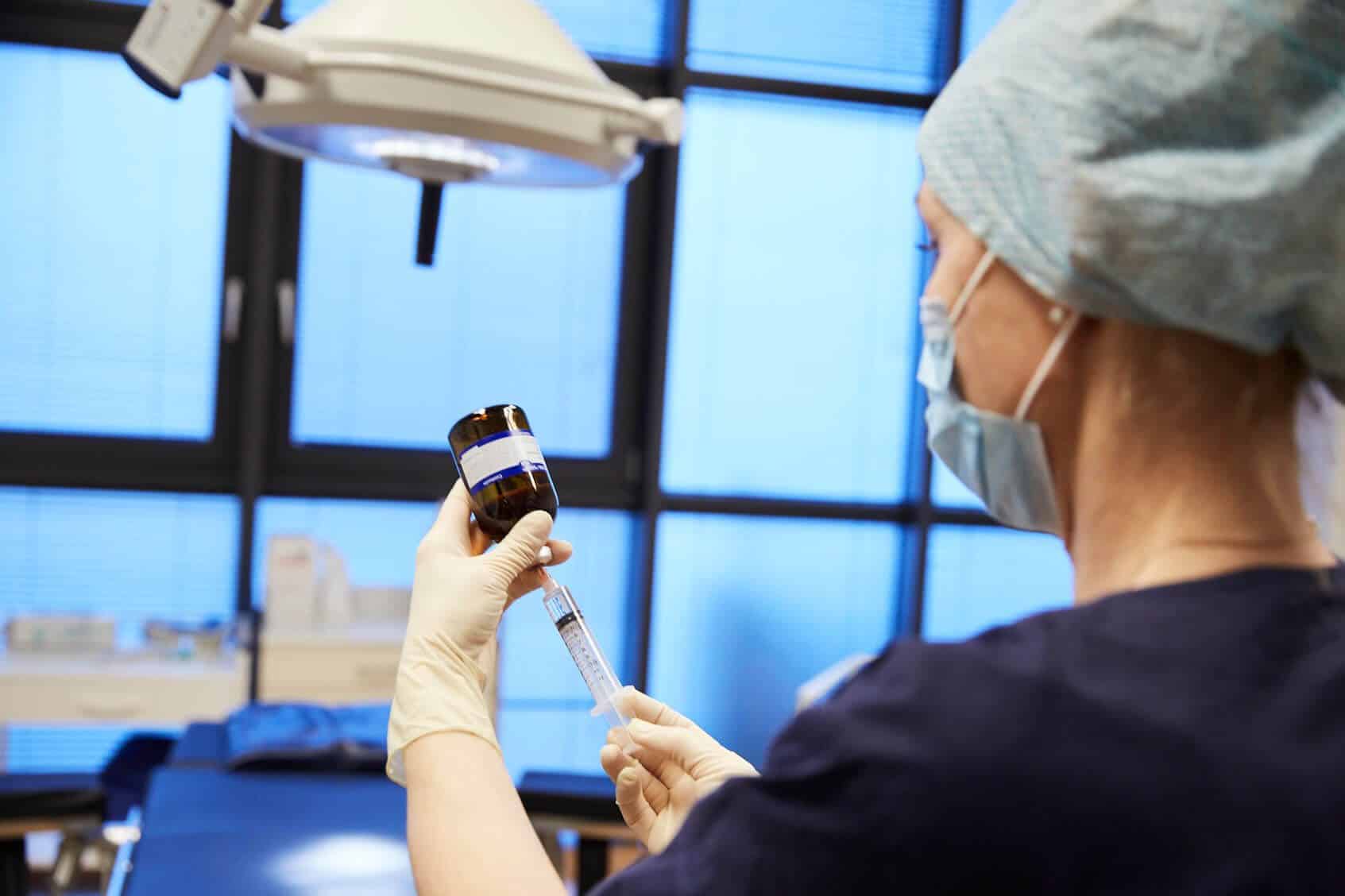
In summary: a professional, highly motivated team, years of clinical experience, consistent application of current medical knowledge, and a constant focus on patient safety are the key elements of successful treatment.
This is how the entire med-plast team is able to give our patients the best possible support around their lipedema surgery.