




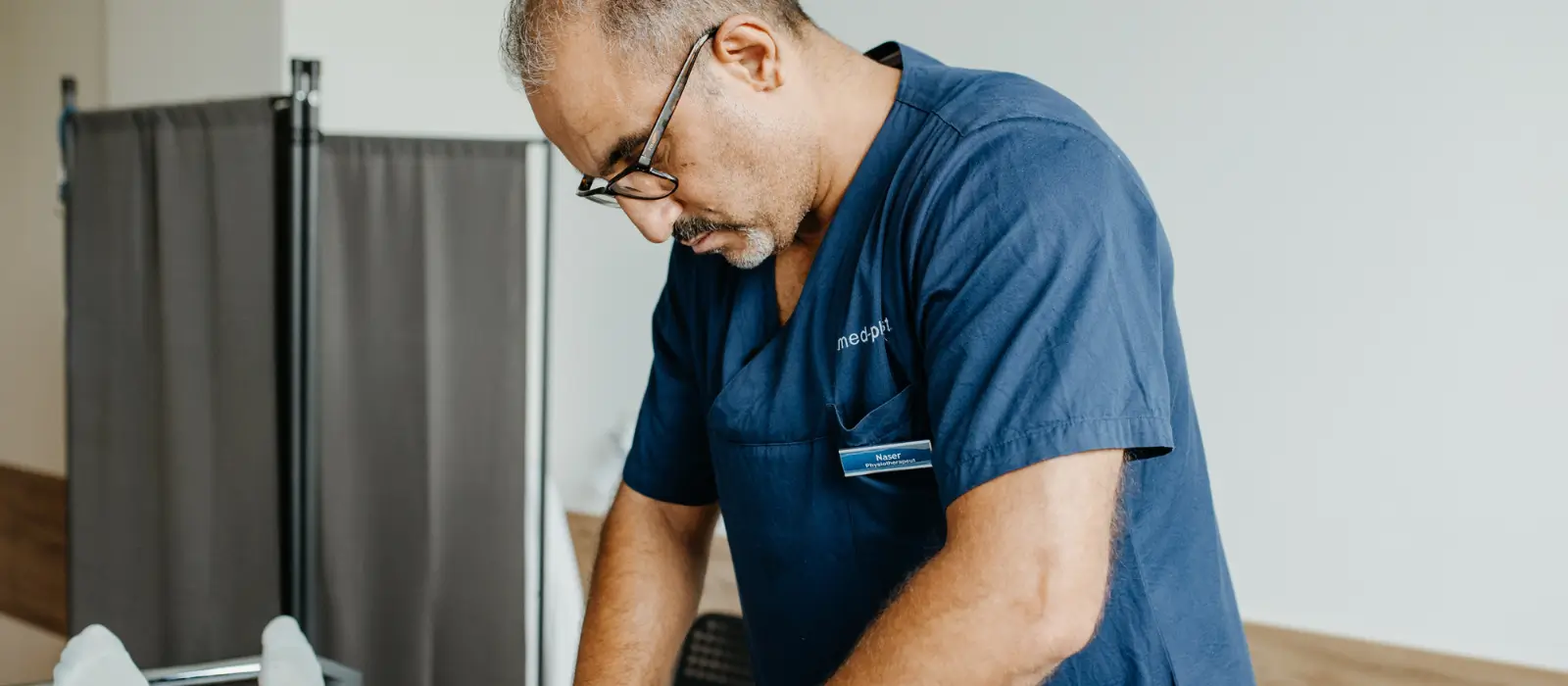
Surgery is the only way to get rid of your lipedema for good. But there are also ways to tackle the condition through conventional means - for example, plenty of exercise and a healthy diet. We've already written about that topic in another article. Today we want to talk about another conventional form of therapy that we use at our specialized clinic in Berlin, before and after every lipedema surgery: manual lymphatic drainage. And who better to tell you about it than our in-house physical therapist, Naser Rmeih?
What Is Lymphatic Drainage?
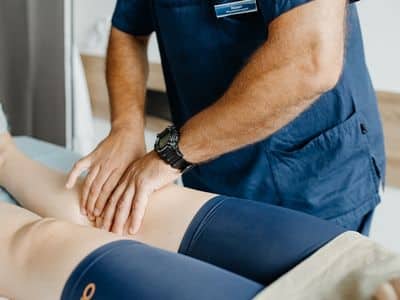
Manual lymphatic drainage (MLD) is a gentle treatment method that Naser uses before and after every lipedema surgery. Essentially, it's a special massage technique that stimulates - and above all moves - the lymph fluid within your vessels. Manual lymphatic drainage also loosens up your connective tissue. You bruise easily, and even the lightest touch hurts, especially in the areas affected by lipedema, right? When the connective tissue is loosened, that reduces tension on your skin and lets you move more freely again. Another benefit of lymphatic drainage that shouldn't be underestimated: the gentle strokes relax you and feel genuinely good, especially when the massage is performed by an experienced physical therapist like Naser.
Not sure if this applies to you?
Book a free, no-obligation consultation with our specialists.
Lymphatic Drainage After Lipedema Surgery

Why do we use lymphatic drainage before and after lipedema surgery? Shouldn't the body just be left to rest after liposuction - a surgical fat removal procedure? An understandable misconception, says Naser. Of course, we don't move our patients straight from the operating table onto the massage table. Typically, two to three hours pass between surgery and the first massage session. But then Naser begins the first manual lymphatic drainage. Right after surgery, the connective tissue is particularly elastic, and fluid can be massaged out of the lymphatic vessels especially effectively. What does that achieve? Less fluid means less tension, and less tension means less pain. Through manual lymphatic drainage after lipedema surgery, Naser reduces pain and increases freedom of movement. Simple as that.
And how often should you get a massage? He recommends manual lymphatic drainage 2-3 times, for 45-60 minutes each, after lipedema surgery. If possible, discuss this with your physical therapist of choice before your surgery.
Do you have lipedema and are still looking for the right doctor? Book an appointment and come to our clinic in Berlin for an initial consultation. Our experienced surgeons will answer your questions.
Naser also uses lymphatic drainage before liposuction. If you've read this far, you can probably already guess why, right? Exactly - it loosens the connective tissue and reduces tension beneath the skin. When the skin isn't stretched to the last millimeter, that makes surgery more comfortable for everyone involved - for you and your body, as well as for our surgeons.
Speaking of tension: manual lymphatic drainage before lipedema surgery has another benefit too. Especially before their first surgery, our patients are, naturally, always quite nervous and tense. Understandably so! At our clinic, everything - from the facility itself to our staff - is designed to make things as comfortable as possible for you. Still, the first time you're here, you're surrounded by people you don't know, in a place you've never been before.
The pleasant sensation of lymphatic drainage calms you down and eases your nerves. Promise! Forty-five minutes of massage with someone as personable as Naser, who knows and loves his craft, and you'll go into surgery feeling relaxed. And when you wake up, we're always there for you - never more than a button press away.