




Liposuction is, at roughly 15 percent, the most frequently performed plastic surgery procedure in the world, closely followed by breast augmentation at 15 percent.
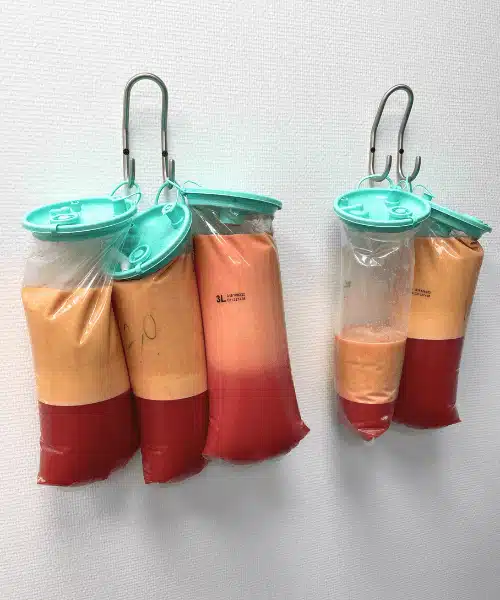
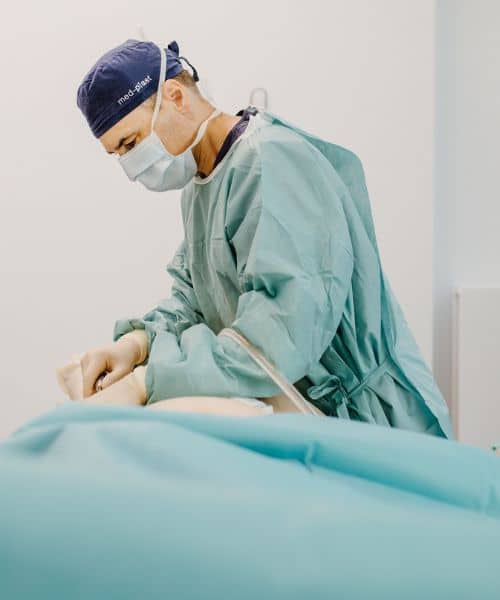
All liposuction techniques share one thing in common: through small skin incisions near the areas to be treated, a thin cannula is inserted into the target tissue. The fat is loosened through a combination of suction and movement of the cannula, and removed through the cannula. A tube connected to the cannula transports the removed fat into a transparent container, which gives the plastic surgeon immediate information about the quality and volume of fat removed.
At the med-plast group, it's used daily for the surgical treatment of lipedema. This isn't an aesthetic indication, but a medical one. With a liposuction technique specialized for this condition, pain can not only be relieved, but in the best case disappear completely. Beyond that, specialized liposuction for lipedema stops the progression of the condition, achieves the best possible freedom of movement, and restores an aesthetically pleasing appearance.
What Liposuction Techniques Are Needed to Achieve These High Standards?
"Several technologies are available to us for this, each with its own advantages and drawbacks. But as experts in this field, we can say that no single method is significantly better than the others," says Dr. Labschies, founder of the med-plast group. Because on one point, plastic surgeons around the world agree: achieving the best possible results depends far more on the plastic surgeon's skill than on the technique used. Here are the five most commonly used liposuction techniques:
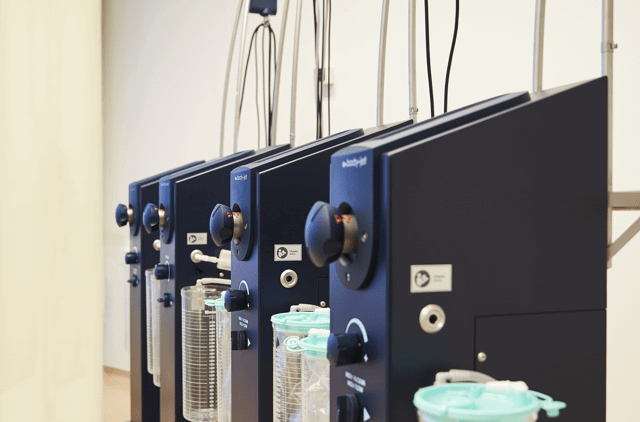
1. Water-Jet-Assisted Liposuction (WAL)
In this method, a saline solution is injected into the fatty tissue under pressure. At the same time, this water jet is used, through a cannula with two openings, to loosen the fat via one opening and suction it out through the other. This simultaneous method is particularly gentle, reducing the risk of injury and shortening healing time. All plastic surgeons at the med-plast group use WAL as their standard technique.
2. Ultrasound-Assisted Liposuction (UAL)
In this case, an ultrasound probe is inserted into the tissue before the fat is suctioned out. Ultrasound energy is delivered to the fat cells through the cannula, causing them to rupture. As a result, the resulting oily emulsion can be suctioned out more easily using WAL. The plastic surgeons at the med-plast group use UAL to prepare firmer fatty tissue for treatment. On the back, for example, the fatty tissue and surrounding connective tissue are firmer than in other body regions, which is why the combination of UAL followed by WAL is used more often there. This combination often leads to even better results than WAL alone.
3. Laser-Assisted Liposuction (LAL)
In this method, a laser fiber is introduced into the fatty tissue. The focused laser light generates heat at the tip of the fiber, which melts the fat. The surrounding connective tissue and the skin above it are tightened by the heat generated by the laser energy. Just like UAL, this technique could be used to prepare tissue for the actual liposuction. However, the plastic surgeons at the med-plast group see a different advantage here. The heat has a hemostatic (bleeding-reducing) effect, making lipedema surgeries safer. As a result, med-plast surgeons can treat larger areas and remove more fat. This can even allow entire surgical steps to be skipped in some cases.
4. Power-Assisted Liposuction (PAL)
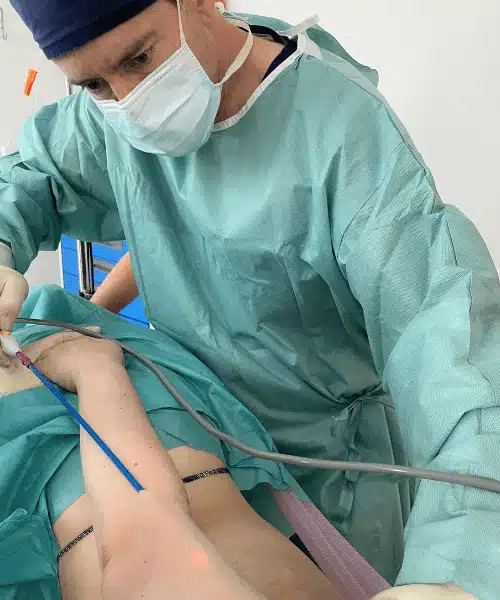
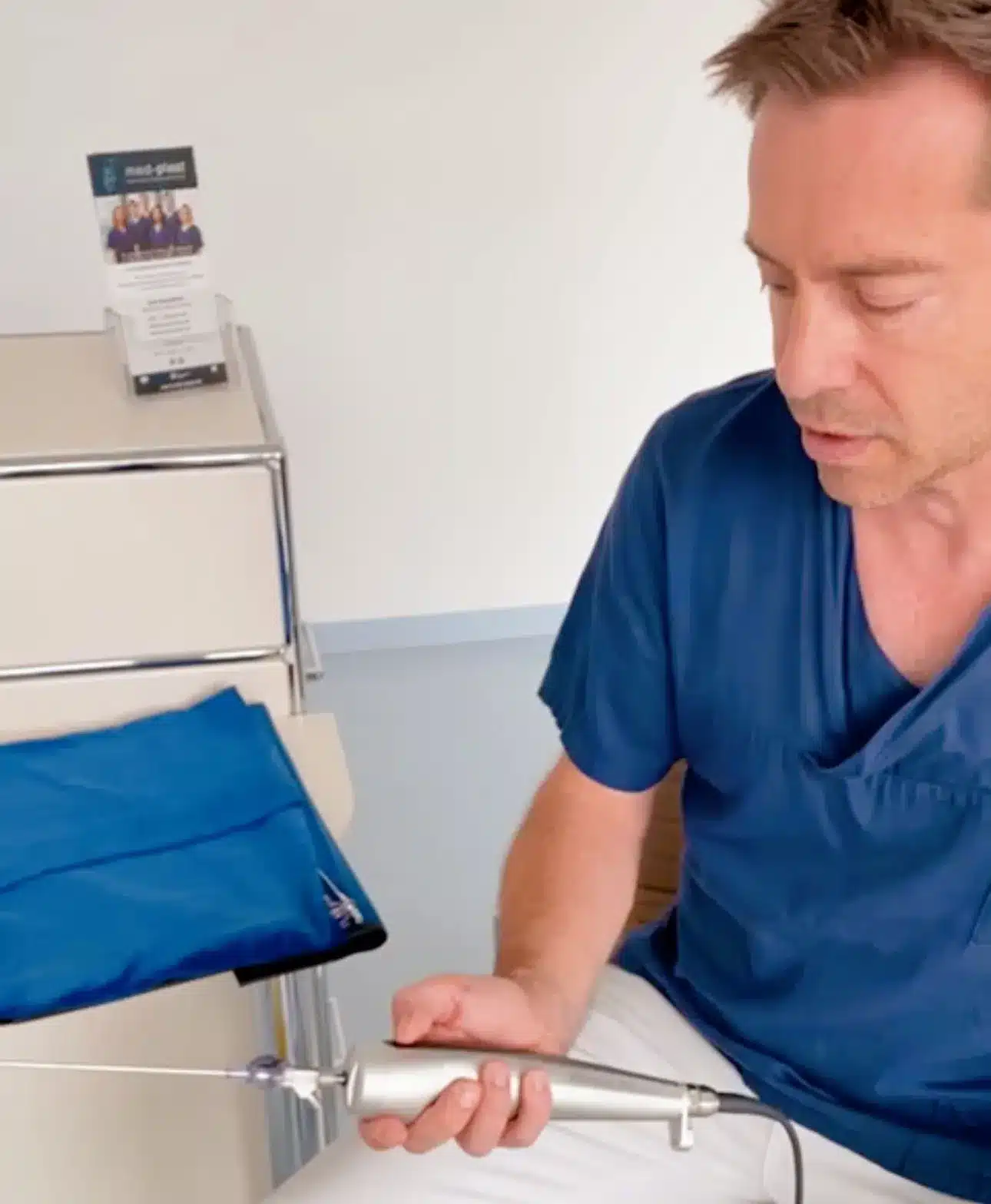
PAL is the most widely used liposuction technique in the world. This is certainly partly for economic reasons, since once purchased, the equipment requires no additional consumables to use. As a result, PAL - popular among surgeons - uses a special suction cannula whose handpiece vibrates via an electric motor. This can feel somewhat heavy and uncomfortable for the person using it, but it makes loosening and removing the fat easier - though this always requires the target tissue to be pre-infiltrated with tumescent solution.
5. Tumescent Technique
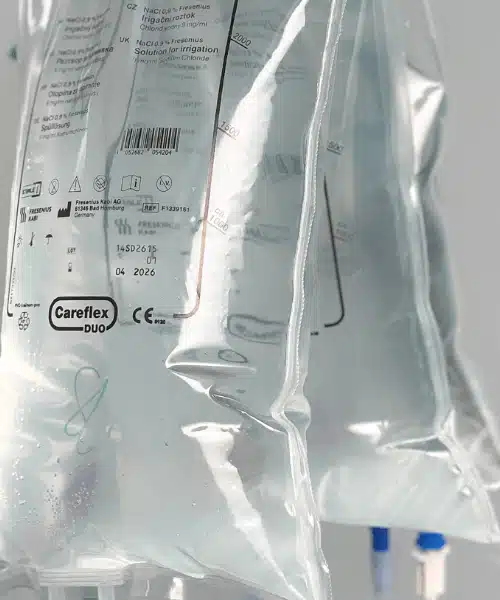
In this technique, a solution is prepared from a mixture of saline, a local anesthetic (lidocaine), and a vasoconstrictive medication (epinephrine). This is introduced via cannulas throughout the entire area to be treated. The tumescent solution helps loosen fat, constrict blood vessels, and reduce pain during and after surgery.
The Latin word "tumescere" translates to "to swell." Indeed, in this procedure, several liters of solution are infiltrated into the target area, followed by a fairly long waiting period before the actual liposuction can take place. The plastic surgeons at the med-plast group deliberately do not use this method, for several reasons.
That's because the swelling effect reduces control and the reproducibility of symmetrical results. In addition, assessing the removed volume becomes "diluted," and it becomes impossible to precisely determine the point of the best possible result. This procedure is also uncomfortable and time-consuming for patients. The tumescent technique is, above all, of historical significance, though it still plays a role today in combination with all other liposuction techniques.
Not sure if this applies to you?
Book a free, no-obligation consultation with our specialists.
A Brief History of Liposuction
Over more than two decades, liposuction has evolved from the so-called "dry technique" used by Italian and French surgeons in the 1970s with large-caliber cannulas, to the so-called "tumescent technique" developed by Dr. Jeffrey Klein in 1985. This made it possible to extract fat with fewer complications, thanks to the combination of isotonic saline solution and bleeding-reducing medication.
In 2000, ultrasound-assisted liposuction was introduced for the cavitation and liquefaction of fat - a gentler, more efficient method that remains popular in "body contouring" to this day.
Ten years later, gentle water-jet-assisted liposuction (WAL) was introduced - a German technology that today forms the basis for the med-plast group's optimal treatment of lipedema.
Liposuction for lipedema achieves decompression of the affected limbs and regions, by significantly reducing the volume of diseased fat in those areas. This improves pain symptoms, freedom of movement, and body contour. The results are long-lasting and improve the quality of life for those affected by lipedema.
With lipedema, it's especially important to use a gentle method, since the surgical effort involved can be substantial - and with it, the resulting internal wound conditions.
Specialists have several liposuction techniques available to them, since it's always essential to do justice to each patient's individual situation. No two cases of lipedema are alike. The same is true for connective tissue and skin. It's therefore entirely up to the plastic surgeon's experience which technique is chosen for which body region - or whether techniques are combined.
As with any surgical procedure, liposuction carries certain risks, regardless of the technique used. The main complication, "circulatory problems," arises, simply put, when too much is operated on at once. All other complications occur less frequently, such as infections, uneven fat removal, necrosis, seromas, and injury to the lymphatic vessels.
What recommendation matters most for me as a patient?A thorough consultation with a qualified doctor is essential to discuss your individual risks and set realistic expectations.
In general, we can once again confirm that the success of liposuction depends far less on the technique used than on the hands and expertise of the plastic surgeon performing it. When it comes to choosing a method, we recommend trusting your specialist.
At the med-plast group, more than 10 international plastic surgeons have already been trained in surgical therapy for lipedema. In the hands of the med-plast group's plastic surgeons, the best possible results are achieved every day, improving our patients' quality of life. The use of different liposuction techniques, tailored to each individual situation, plays a major role in this.
If you have questions on this topic, feel free to contact us.