




Why do I bruise for no reason? Bruises with no obvious cause can be worrying. Most of the time, they're the result of a minor injury and fade away on their own over several days. But what if bruises appear in large numbers, over large areas, with no obvious cause - and stick around for a long time?
Possible causes of bruising are generally linked to blood clotting and the use of certain medications. But bruising that occurs frequently can often be linked to specific conditions as well. That's why it's important to have the cause of unexplained bruising checked by a doctor.
One of the most common reasons for bruising with no obvious cause is lipedema. Lipedema itself affects a large number of women with the corresponding predisposition, and bruising is one of the most frequently reported nonspecific symptoms of lipedema.
What Is Bruising?
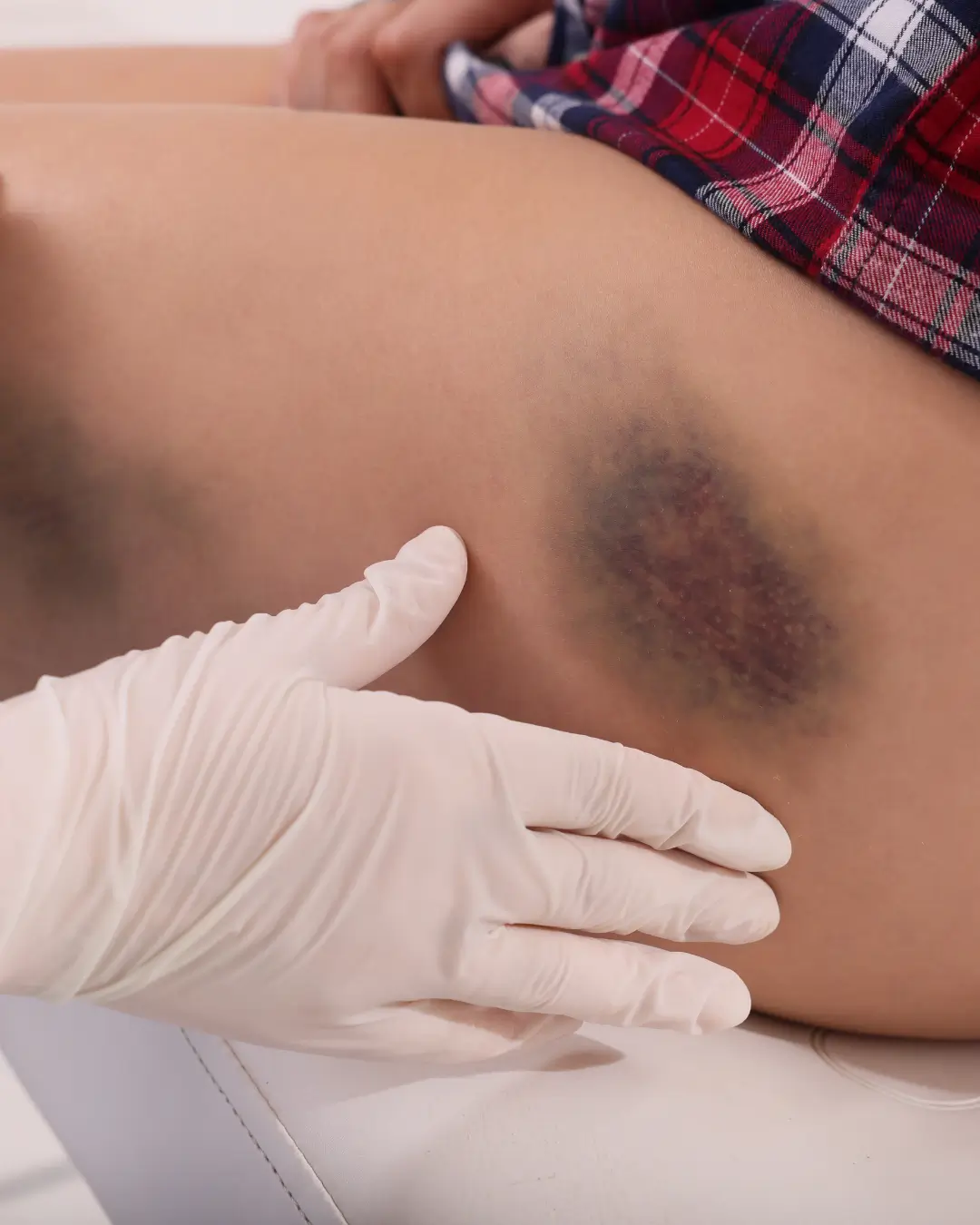
Bruises, also known as hematomas, are skin discolorations caused by blood leaking from small blood vessels beneath the skin.
When small blood vessels are damaged by a blow, impact, fall, or excessive strain, the leaked blood collects beneath the skin. This results in a deep blue or purple discoloration of the skin. This discoloration is proportional to the hemoglobin in the leaked blood - the oxygen-carrying part of the red blood cells. Since bruises almost always involve blood leaking from capillaries, it becomes low in oxygen after exchanging oxygen with the tissue, which is why it appears deep blue. As they heal, hematomas gradually shift to a green-yellowish color, in proportion to their breakdown products, before being fully broken down and removed via the lymphatic system.
Causes of Bruising
Women tend to bruise more easily, or develop spontaneous hematomas more often, than men. This is due to a variety of differences in tissue structure and how they interact physiologically.
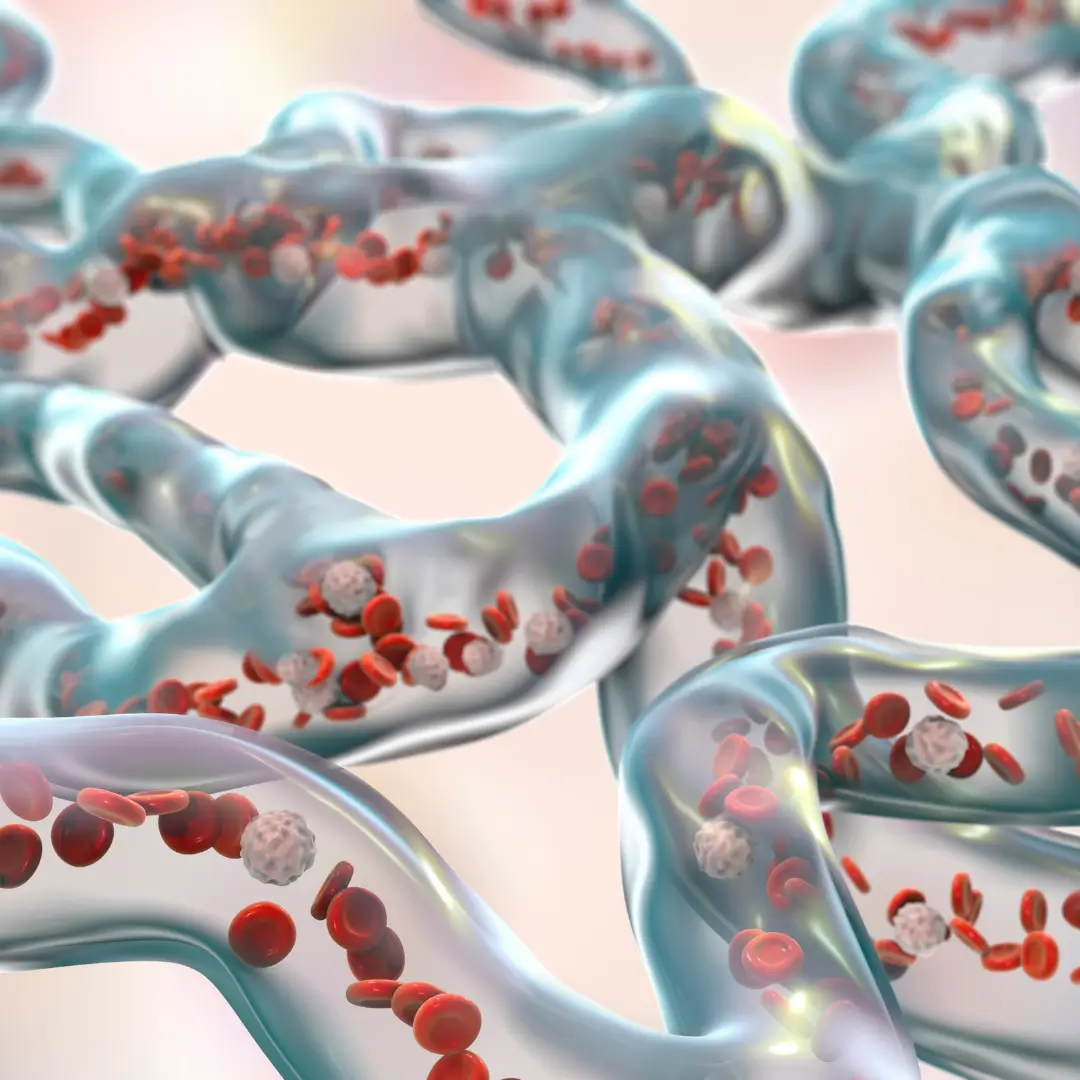
Briefly explained: women have a different distribution of fat and connective tissue, which not only contributes to a feminine appearance, but is also essential for the female body's functional hormone production. Because of the overall greater volume beneath the skin, the smallest blood vessels respond by hardening, as protection against pressure. As a result, the blood vessel doesn't collapse like a pinched garden hose, but keeps blood flowing.
But this hardening, medically known as "sclerosis," also has a drawback:
The blood vessels become more brittle, since they lose elasticity. Even the slightest bump, or a partner's playful pinch, can cause spontaneous bruising, without being able to recall the triggering event later.
Bruises can have other causes too, occurring even without lipedema:
- Injuries, such as bumps, blows, falls, or contusions, in which blood vessels beneath the skin tear and lead to a bruise or a pronounced hematoma.
- Certain medications, such as blood thinners, cortisone, or antibiotics, can make blood vessels more likely to rupture and cause bruising.
- A deficiency in vitamin C or K can impair blood clotting and lead to increased susceptibility to bruising.
- As we age, the skin becomes thinner and the protective layer of subcutaneous fat decreases, which can make bruises more likely to appear.
- Blood-clotting disorders can make bruising more likely to occur.
- Long-term sun exposure thins the skin and weakens blood vessels, which can increase susceptibility to bruising.
- Medical conditions, such as liver disease, certain types of cancer, or inflammation of the blood vessels (vasculitis), are often accompanied by frequent bruising. At the top of the list of conditions accompanied by bruising, however, is lipedema.
Why Do I Bruise With Lipedema?
Hematomas frequently occur as one of many symptoms of lipedema. They're unpleasant, but fortunately not a serious threat. But why do people with lipedema in particular bruise so easily?
The cause of bruising in lipedema lies in the genetically determined difference in tissue composition between women and men, since the rule is: the more pressure, the more bruising. In women with lipedema in particular, the increased fat and connective tissue leads to the typical, painful pressure symptoms and, as a result, to increased bruising.
Now we understand why blood vessels in lipedema are more vulnerable to injury, and why even the smallest bump or pressure can quickly lead to bruising. In short: lipedema increases pressure on the blood vessels, making them more likely to rupture.
There's another pressure-increasing factor in lipedema: the permeability of the blood vessels. We all know it: the longer and warmer the day, the more swelling, especially around the ankles. Up to a certain point, that's normal and also occurs in many women without lipedema. But the higher fat volume in lipedema causes congestion in the smallest returning blood vessels. This allows fluid and red blood cells to more easily enter the surrounding tissue. The excess fluid can't be adequately drained by the lymphatic system, which increases tissue pressure. This, in turn, leads to further hardening of the blood vessels - which further explains the cause of bruising in lipedema.
Bruising alone isn't enough to diagnose lipedema. It's entirely possible to have lipedema without frequent bruising. If you're unsure, we recommend getting advice from a doctor specialized in lipedema.
For a detailed conversation with our plastic surgeons, feel free to come directly to our lipedema clinic in Berlin, or book an online appointment.
Book an AppointmentNot sure if this applies to you?
Book a free, no-obligation consultation with our specialists.
Where Does Bruising From Lipedema Occur Most Often?
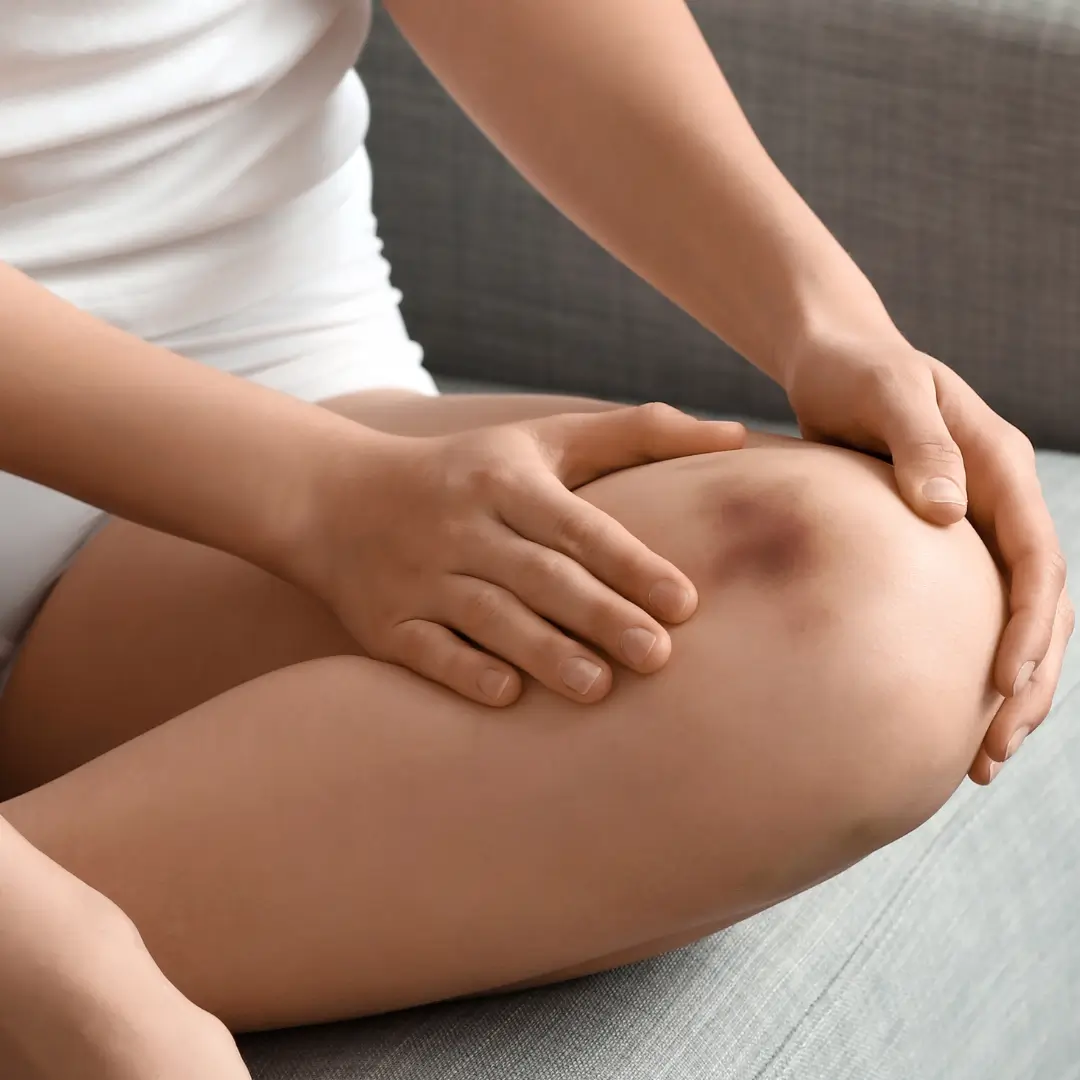
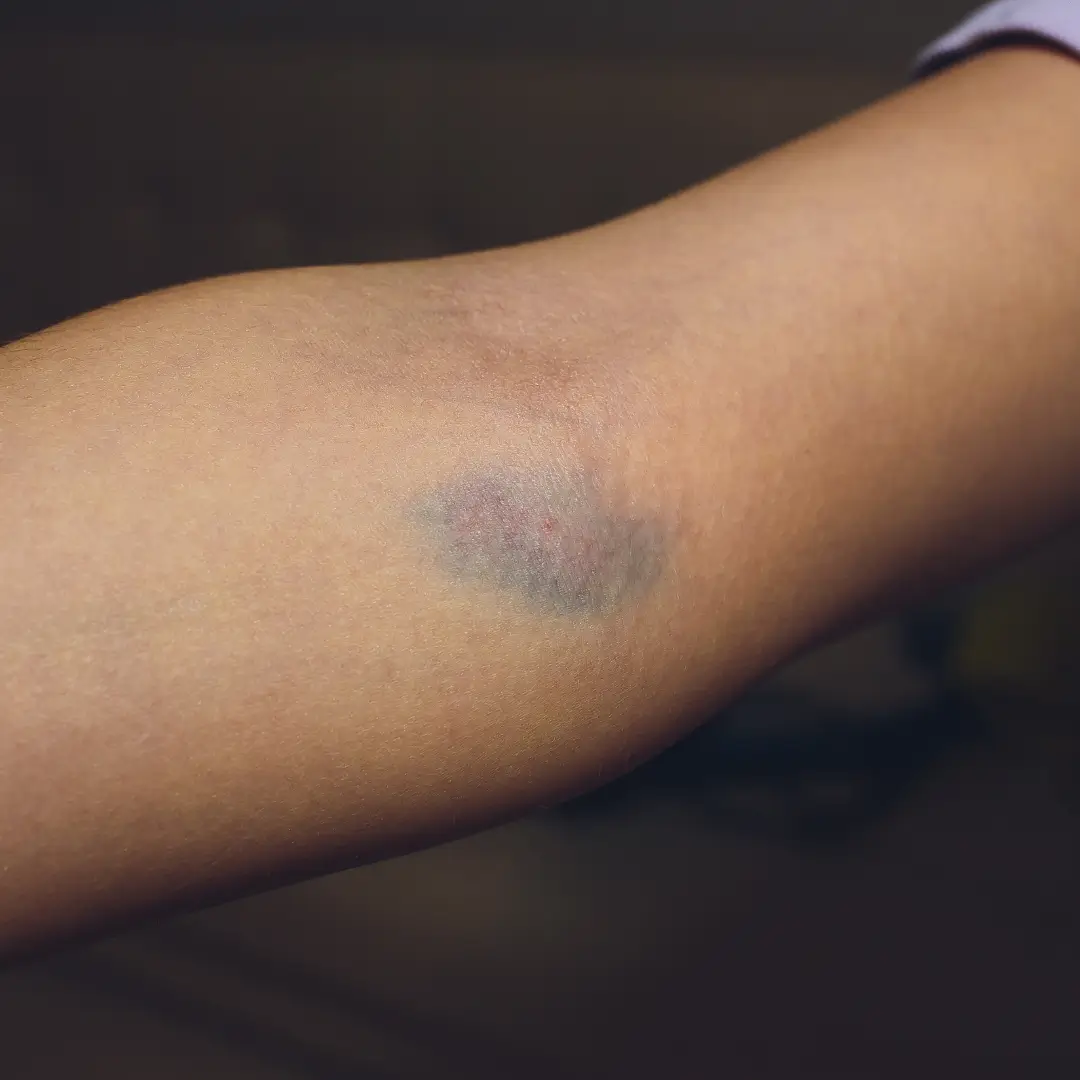
Many of those affected report bruising as the most common symptom of their lipedema. Especially on the outer front thighs and the back of the upper arms, since these body areas experience the highest pressure in lipedema due to their anatomical characteristics. These are therefore also the areas that show up as most painful during the physical examination for lipedema.
Bruising on the Legs
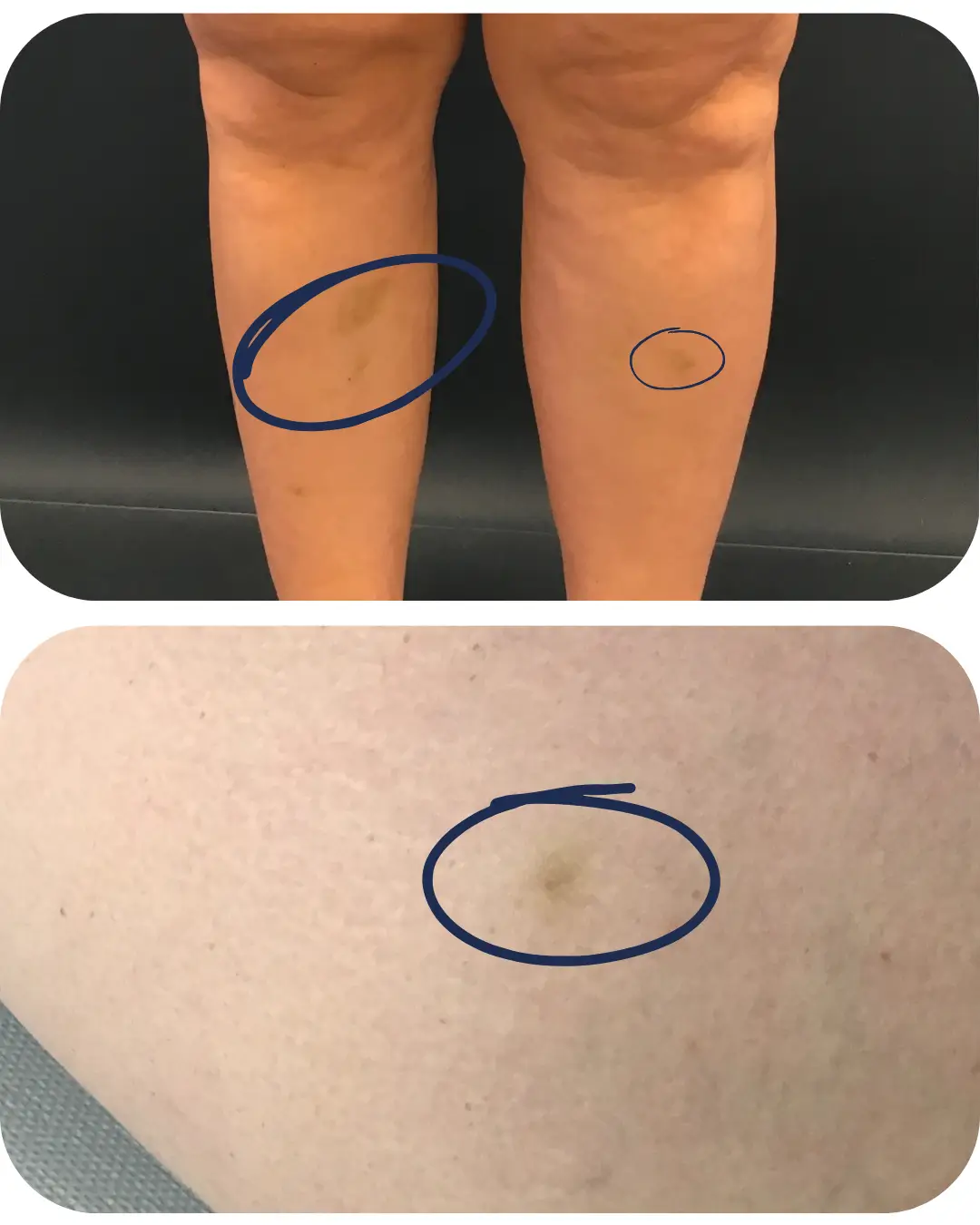
Because of the large surface area of the legs, they're the most exposed in lipedema and therefore experience more bumps and pressure. The resulting bruises appear especially on the outer thighs and the upper part of the lower legs.
Bruising on the Arm
Bruising on the arms can also be a sign of lipedema, though this occurs less often than on the legs. The reason, again, is the difference in tissue pressure, which is generally lower on the arms than on the legs. Activity level, of course, also contributes to the extent of bruising on the arms. On the arms, the outer and back of the upper arms are most commonly affected in lipedema, since these regions experience the highest tissue pressure from the condition.
Bruising on the Abdomen and Chest
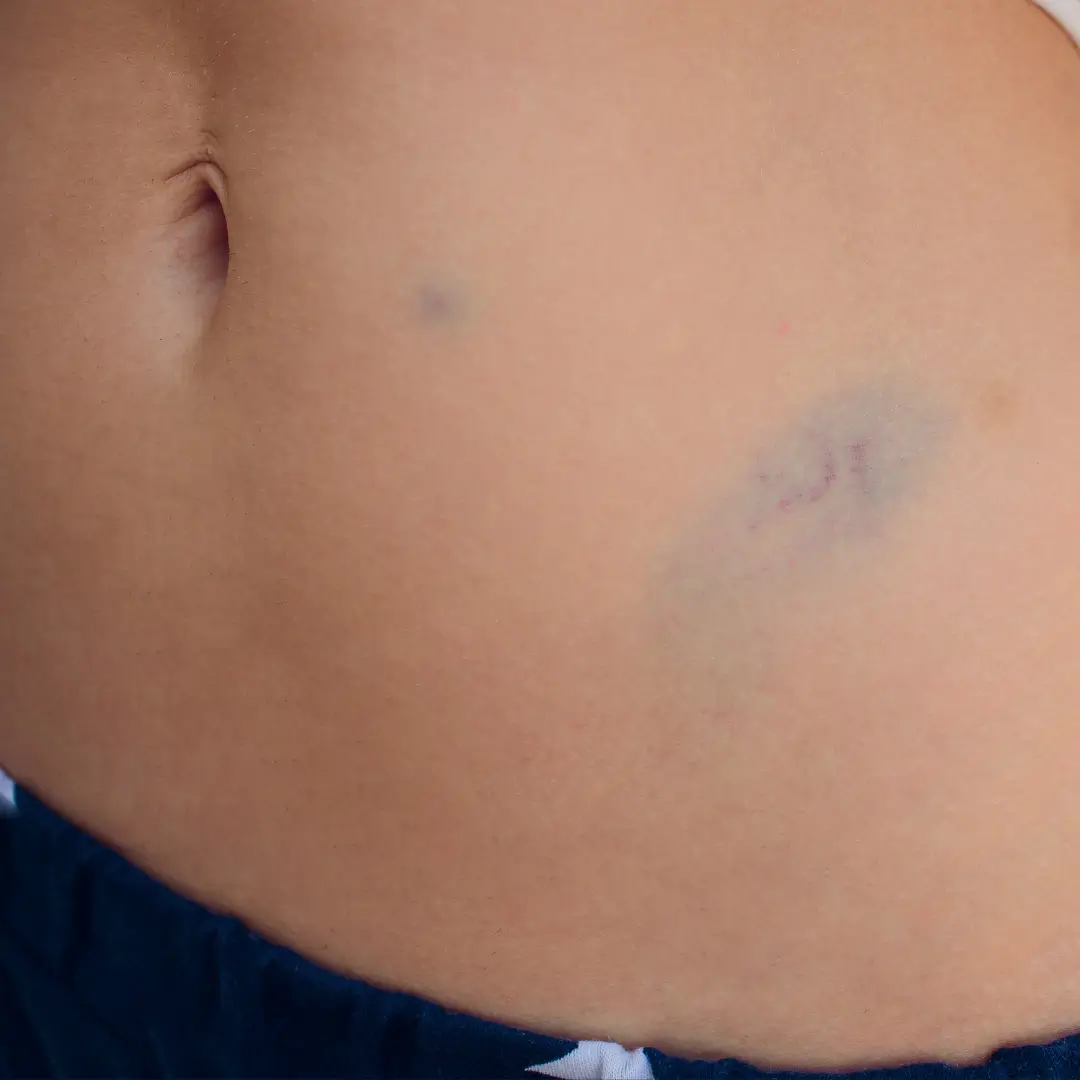
Body areas less affected by lipedema, and therefore showing less bruising, include the midsection, such as the upper abdomen or back. Lipedema can affect areas other than the legs and arms. That's why it's also possible for bruising on the abdomen or even the chest to occur as a result of lipedema. As a general rule: the less pressure, the less frequent the bruising. This explains the frequency and distribution of bruising in lipedema.
How Can Bruising From Lipedema Be Treated?
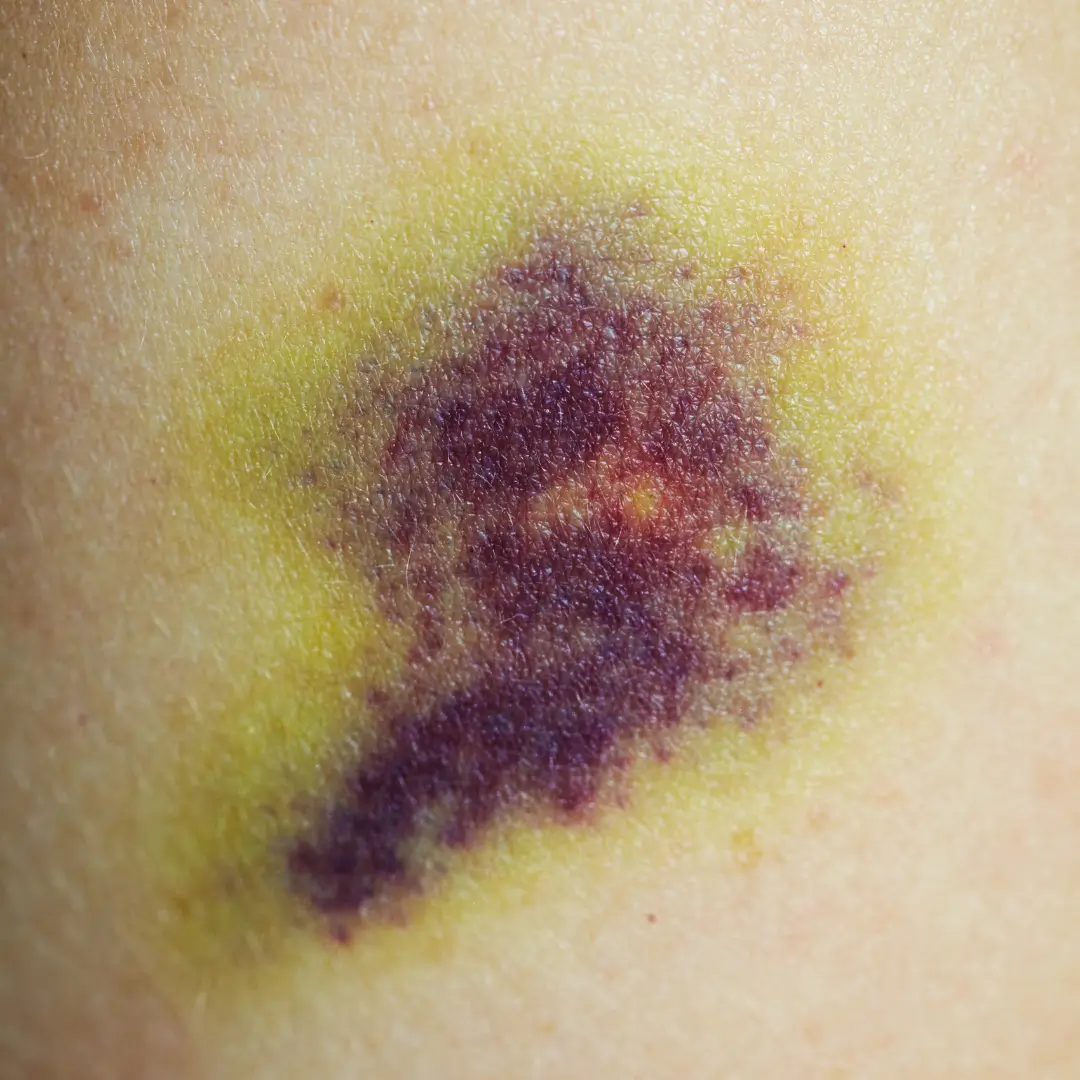
Treatment for bruising in lipedema depends on the intensity and size of the hematoma. In most cases, bruises disappear on their own as the body breaks down the leaked blood and removes it via the lymphatic system. This process, however, can take several days to weeks. Bruises usually go through a color progression during the healing process.
The colors can vary depending on the stage:
- Fresh injury: The bruise is often dark purple or blue.
- A few days later: The bruise can take on a greenish color.
- Further days later: The bruise can turn yellowish or brown.
- Healing phase: The bruise gradually fades and the skin returns to normal.
It's important to note that the exact color progression can vary from person to person, depending on individual healing ability.
Bruises, also known as hematomas, are skin discolorations caused by blood leaking from small blood vessels beneath the skin. When small blood vessels are damaged by a blow, impact, fall, or excessive strain, the leaked blood collects beneath the skin. This results in a deep blue or purple discoloration of the skin. This discoloration is proportional to the hemoglobin in the leaked blood - the oxygen-carrying part of the red blood cells. Since bruises almost always involve blood leaking from capillaries, it becomes low in oxygen after exchanging oxygen with the tissue, which is why it appears deep blue. As they heal, hematomas gradually shift to a green-yellowish color, in proportion to their breakdown products, before being fully broken down and removed via the lymphatic system.
The increased tissue pressure in lipedema reduces blood flow to the surface of the skin. This makes the skin feel cold, and, especially in winter, it takes longer to warm back up. This reduced blood flow is also why bruises in lipedema stick around for longer.
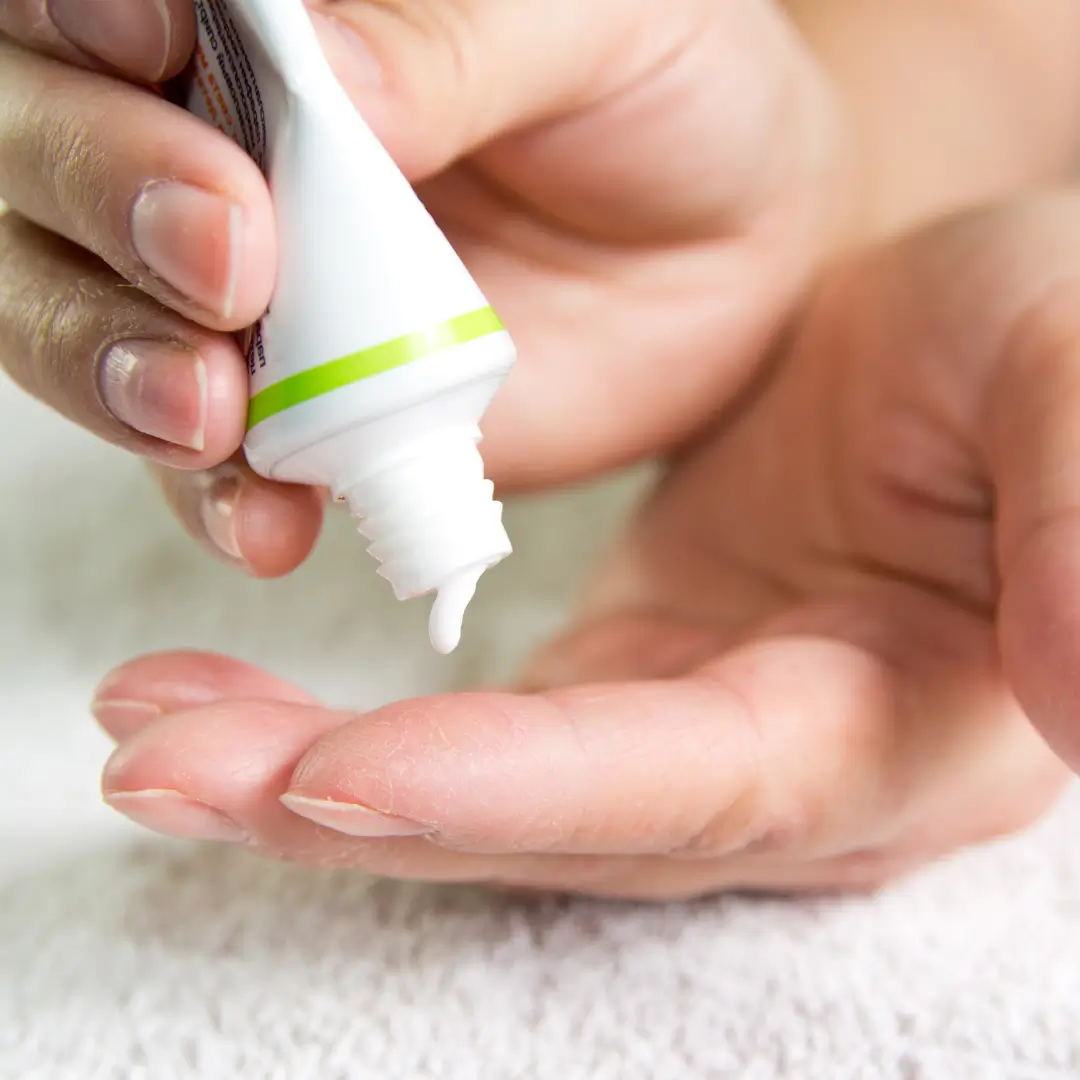
To reduce swelling, cooling is generally recommended. For bruising in lipedema, however, warming measures - such as applying a circulation-boosting heparin ointment - can help. Manual lymphatic drainage also supports the breakdown of hematomas in lipedema and helps them fade faster.
Can You Prevent Bruising With Lipedema?
It's difficult to prevent bruising in lipedema entirely. There are, however, measures that can reduce pressure. This includes regularly wearing compression garments. Regular manual lymphatic drainage can also help improve lymphatic flow and reduce swelling. Swimming also helps relieve tissue pressure temporarily. That said, these are all conservative measures that only briefly relieve the underlying problem of increased pressure. In some cases, therefore, lipedema surgery can also make sense, to remove excess fat and reduce pressure on the vessels.
Bruising and Lipedema: What You Should Know
If sudden bruising appears without any apparent injury, it's advisable to see a doctor for an accurate diagnosis and suitable treatment options. This is especially important if the bruising has no obvious cause and appears unusual, causes severe pain, or occurs alongside other symptoms.
If you notice bruising and suspect you may have lipedema, you should see a doctor specialized in lipedema for a professional diagnosis and suitable treatment options.
As lipedema specialists, we have extensive knowledge and experience, because this is all we do. With over a thousand surgeries a year, and even more lipedema diagnoses, we know our way around this condition and are happy to help you too!
Feel free to reach out if you think we can help you!
Comprehensive, non-binding, and individual.
Book an Appointment