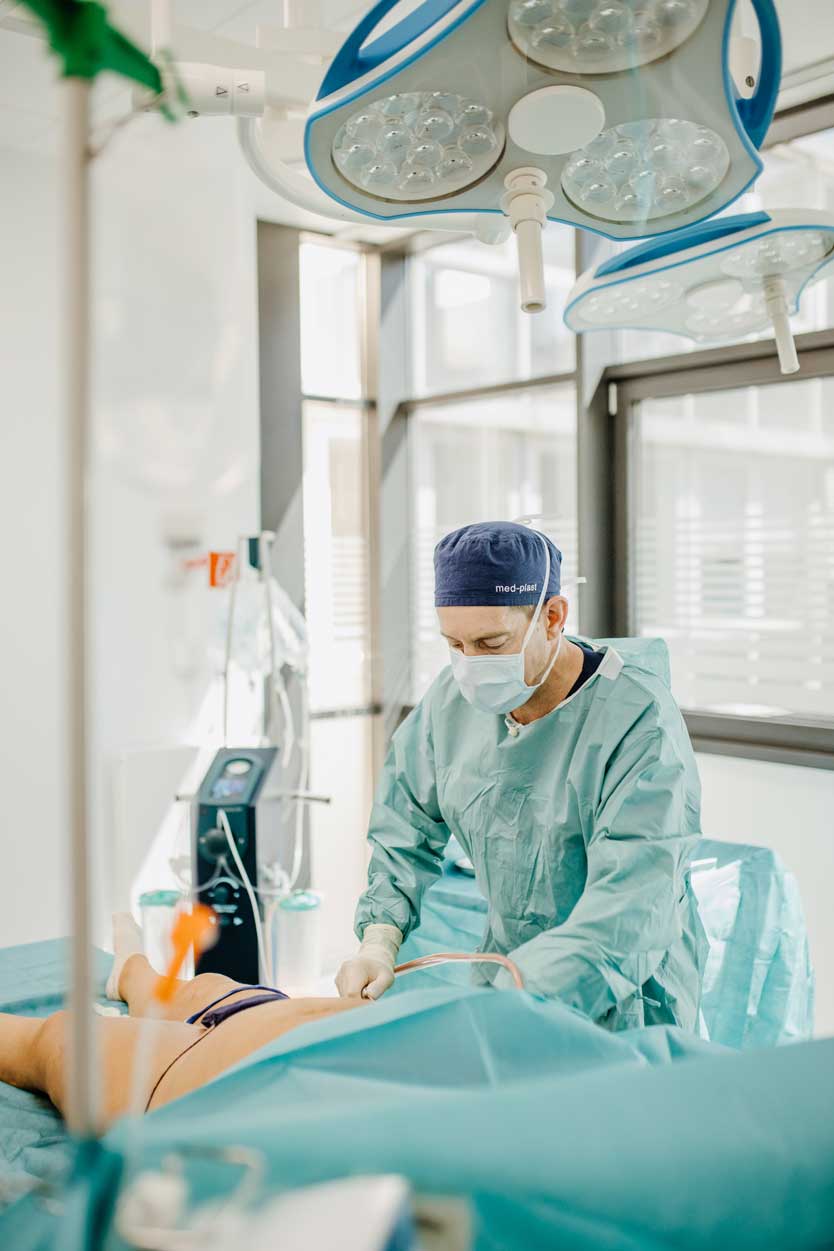





The symptoms of lipedema can be both physically and emotionally taxing. Early recognition is essential for appropriate treatment. If you suspect you have lipedema, you'll naturally want to learn more about it. Below you'll find comprehensive information on the symptoms and common complaints of lipedema.
Currently, there are still no diagnostic options using imaging, such as ultrasound, MRI, or CT. A biopsy or blood test can't help either - not yet, because researchers worldwide are working intensively to make a lipedema diagnosis possible using a so-called biomarker. Until then, we have to rely on clinical signs - symptoms, complaints, and the typical progression - to identify indications of possible lipedema.
What Symptoms Does Lipedema Cause?
First of all, we want to emphasize that lipedema occurs almost exclusively in women. It's important to note that individual symptoms can vary and don't all have to occur in every lipedema patient, which makes diagnosis harder for inexperienced doctors. Many women see their pain as normal, or have developed a high pain tolerance, having lived with the condition for a long time. The affected regions can vary depending on the type of lipedema, as can the intensity depending on the stage of the condition.
Thick Legs
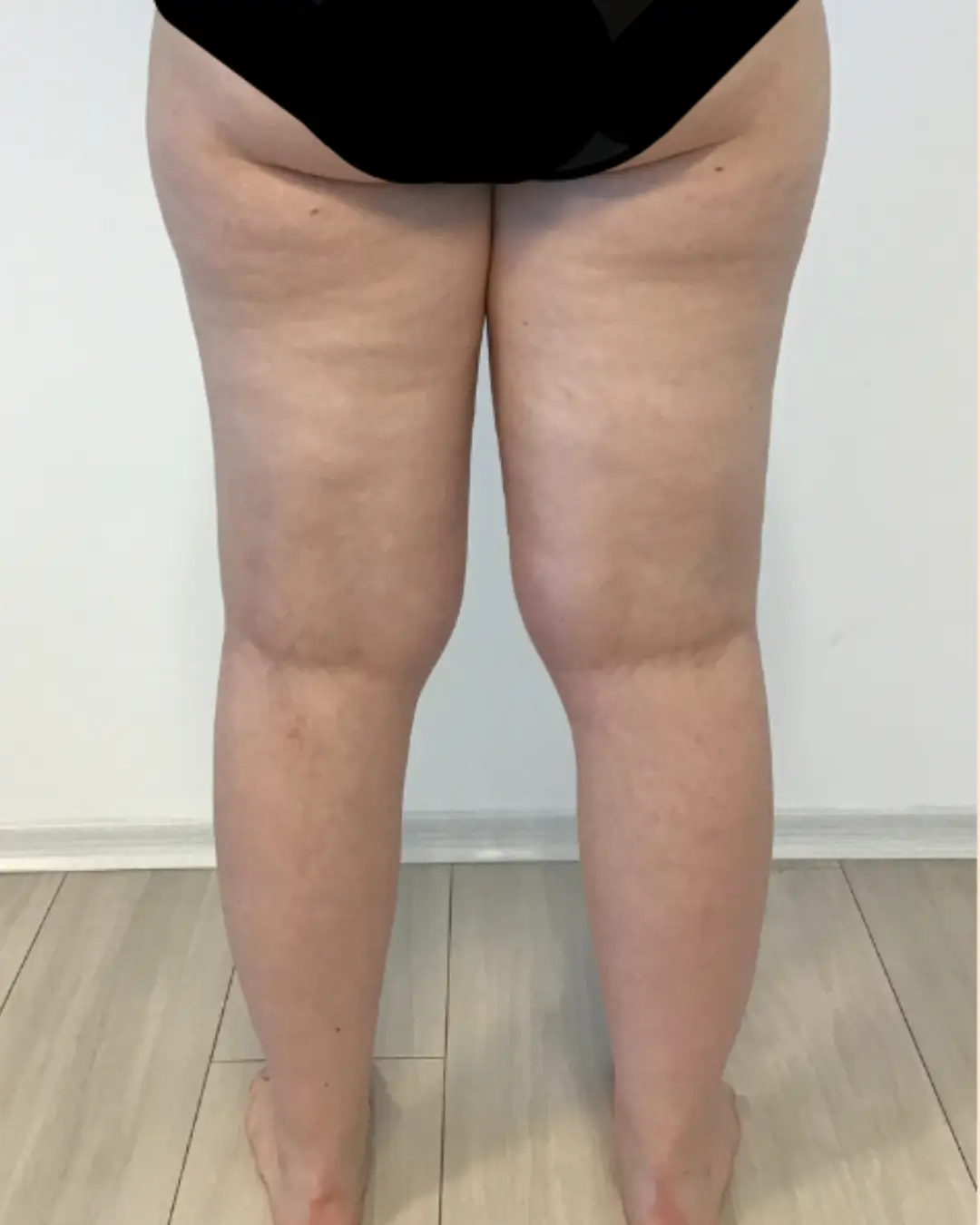
Thick legs, particularly thick thighs or thick arms, can be a sign of lipedema. Lipedema is a fat-distribution disorder that mainly leads to a symmetrical enlargement of the extremities. It's worth noting that in some women it's the legs that are affected, in others the arms, and some experience both thick legs and thick arms. However, other body regions can also be affected by this condition.
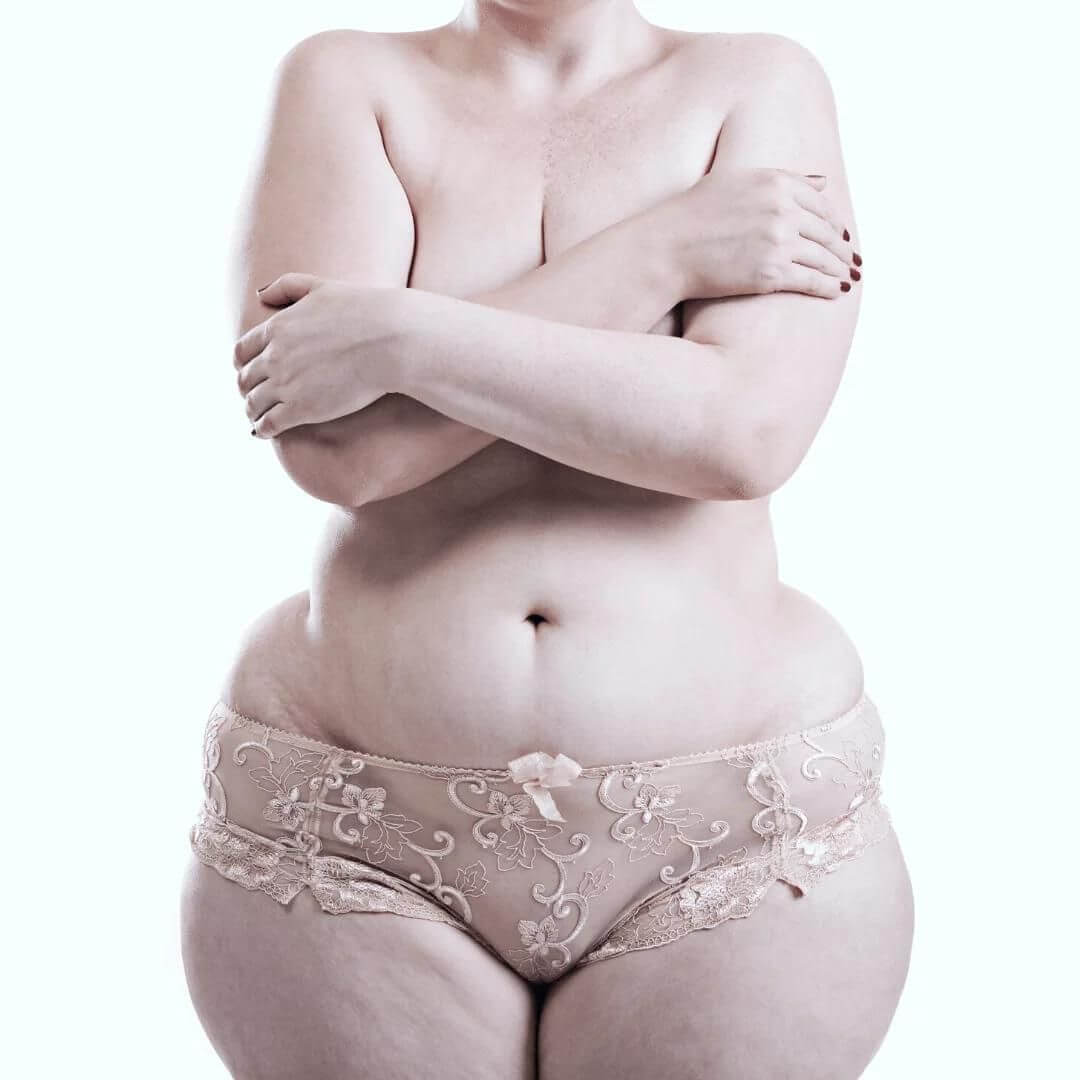
One notable feature of the distribution pattern across the extremities: although the right and left sides of the body are symmetrical in terms of fat distribution, there's often an imbalance between the upper and lower body. This often means women need to buy different sizes for tops and bottoms.
It's not uncommon for lipedema to occur alongside obesity. This can be due to various factors, such as restricted mobility or reduced physical activity, which can lead to weight gain.
Pain With Lipedema
Lipedema is a condition frequently accompanied by pain. Many women with lipedema report pain in the affected body regions, such as the thighs, lower legs, upper and lower arms, as well as the abdomen, back, and chest. This pain can vary in intensity and worsen over the course of the day. It's often described as dull, pulling, or pressing.
A Feeling of Tightness in the Legs
Sensitivity to pressure and touch are common lipedema symptoms and can be a significant burden. The increased fat volume leads to a feeling of tightness for those affected. This is often described as tenderness to pressure, but sharp, stabbing pain can also occur. It's thought that the increased fat cells press on nerves through their sheer volume, causing this pain. Even light touches - like a cat or a small child sitting on your lap - can cause pain and interfere with daily life.
Pain often occurs more intensely on the inner sides of the knees, the outer sides of the thighs, and the upper arms. Painful nodules deep in the lower abdomen can also occur.
Legs Feel Heavy
Heavy legs or heavy arms significantly affect the quality of life of those affected. Even mundane tasks like standing for long periods or climbing stairs can be a real challenge for lipedema patients. Even everyday activities like blow-drying your hair, carrying a baby, or taking plates out of high cupboards are often avoided. On top of that, a tiring pressure often builds up in the arms when they're held up for extended periods. As a result, those affected may become less active and accumulate more fat in the body.
Another possible effect of lipedema is swelling of the lower legs, which can worsen over the course of the day, especially with prolonged standing and warm weather. The hands and feet are usually not affected by this swelling.
Bruising Out of Nowhere
Lipedema patients are often more prone to bruising and hematomas. Even minor injuries can cause significant bruising, which in many cases takes longer to heal than in people without lipedema.
Bruises that appear for no apparent reason increase the sensitivity of the affected areas and cause additional pain. Frequent bruising isn't just aesthetically distressing - it can also restrict mobility and affect overall wellbeing.
Uneven Skin
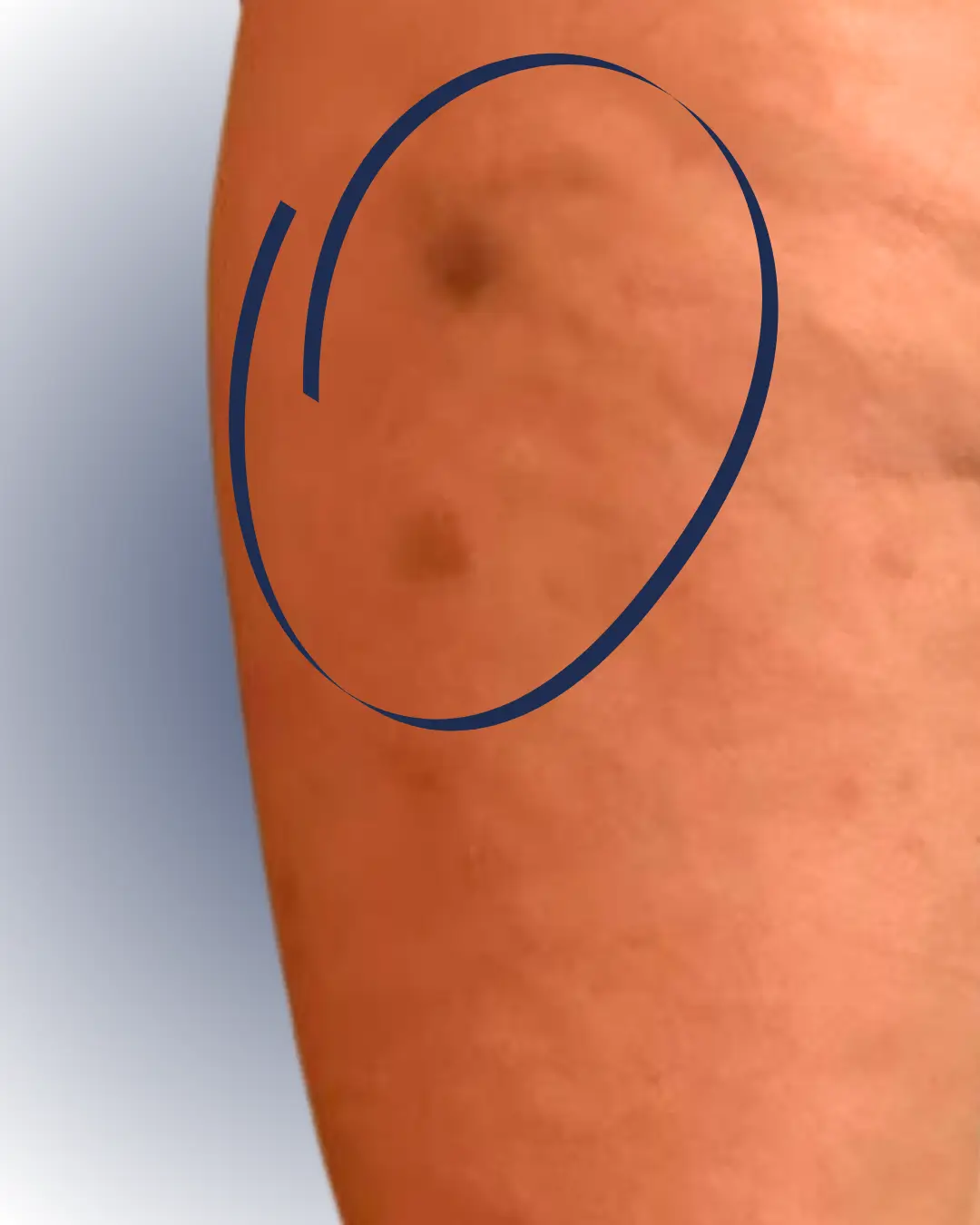
Another aesthetic feature of lipedema is cellulite and an uneven skin texture, sometimes called "mattress skin," where the fatty tissue appears bumpy and uneven. This happens because the fatty tissue beneath the skin is distributed disproportionately, causing dimpling and unevenness that feels as though something is under the skin. These symptoms aren't just physically uncomfortable - they can also be emotionally taxing, since many women with lipedema feel their self-confidence is affected.
Changes to the skin's connective tissue also play a role. It's possible for the legs to look smoother while seated than while standing, due to skin tension.

Varicose Veins
Lipedema and varicose veins are two different, but connected, conditions that affect blood flow in the lower extremities. Varicose veins are enlarged, twisted veins that can develop due to a disruption of the venous valves in the legs, impairing normal blood flow. Although lipedema doesn't directly cause varicose veins, the additional pressure on the veins from lipedema can increase the risk of developing them.
Cold Skin
Sometimes the skin on the thighs remains cold for a long time after a patient moves from a cold environment into a warm one. The exact cause of cold skin in lipedema isn't yet fully understood. It's thought, however, that this may be related to impaired blood flow and the disproportionate distribution of fatty tissue in the affected areas.
Not sure if this applies to you?
Book a free, no-obligation consultation with our specialists.
Restricted Mobility
Due to swelling and pain in the affected areas, lipedema patients can experience significant restrictions in their mobility. Walking, standing, or lifting objects can become difficult and painful. These restrictions can lead to further complications such as muscle tension, postural problems, and difficulties walking or standing. It's not uncommon for lipedema patients to develop knock knees, where the knees angle inward.
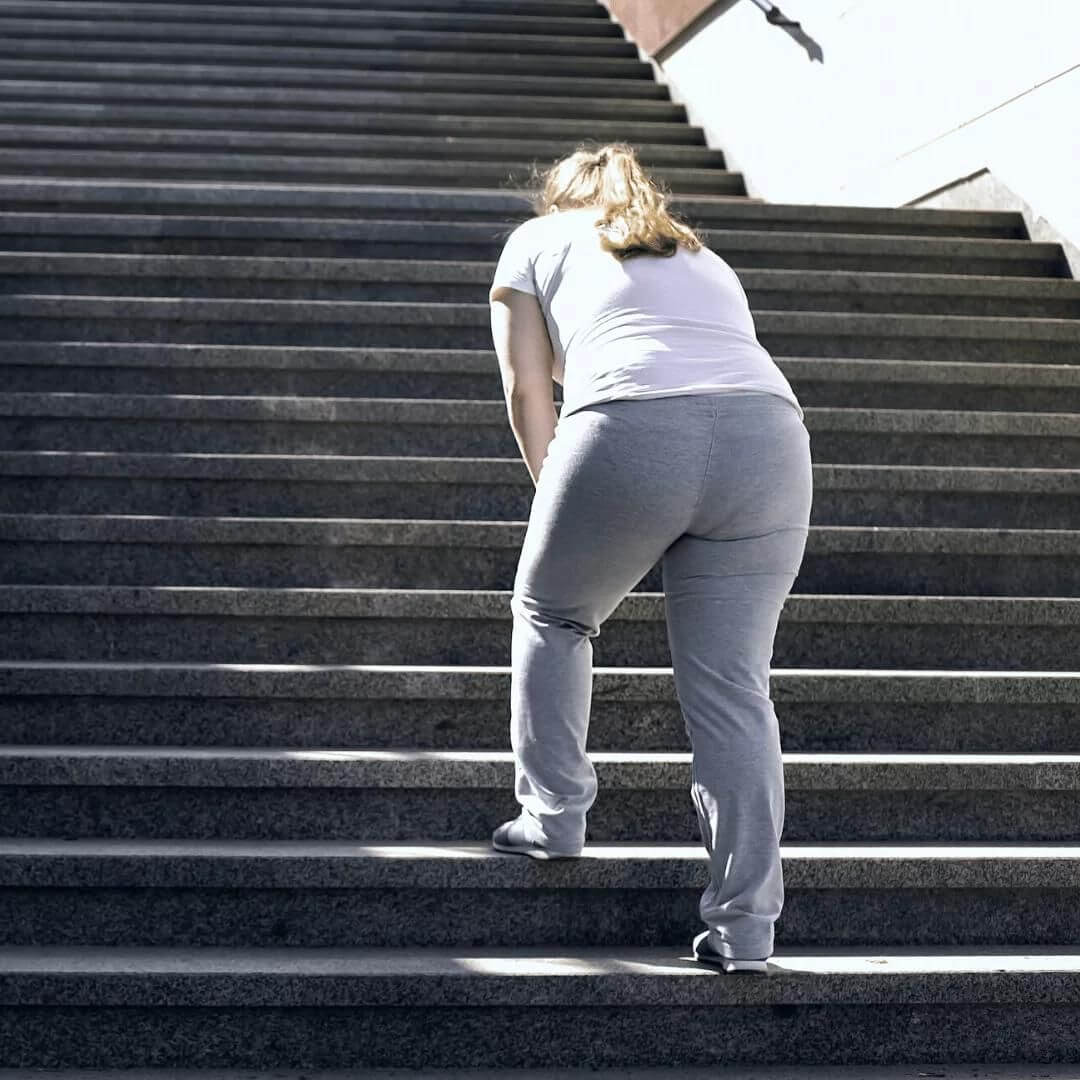
To improve mobility and prevent further weight gain, it's important for lipedema patients to find suitable ways to stay active. This can be achieved through gentle exercises such as swimming, cycling, or yoga. It's advisable to get support from a specialist, such as a physical therapist or trainer with knowledge of lipedema. Regular exercise can not only improve mobility, but also promote circulation and relieve pain. That said, it's important that the exercises are tailored individually to each patient's needs and limits. It's therefore advisable to always consult a doctor or therapist before starting any exercise program.
Cuffing
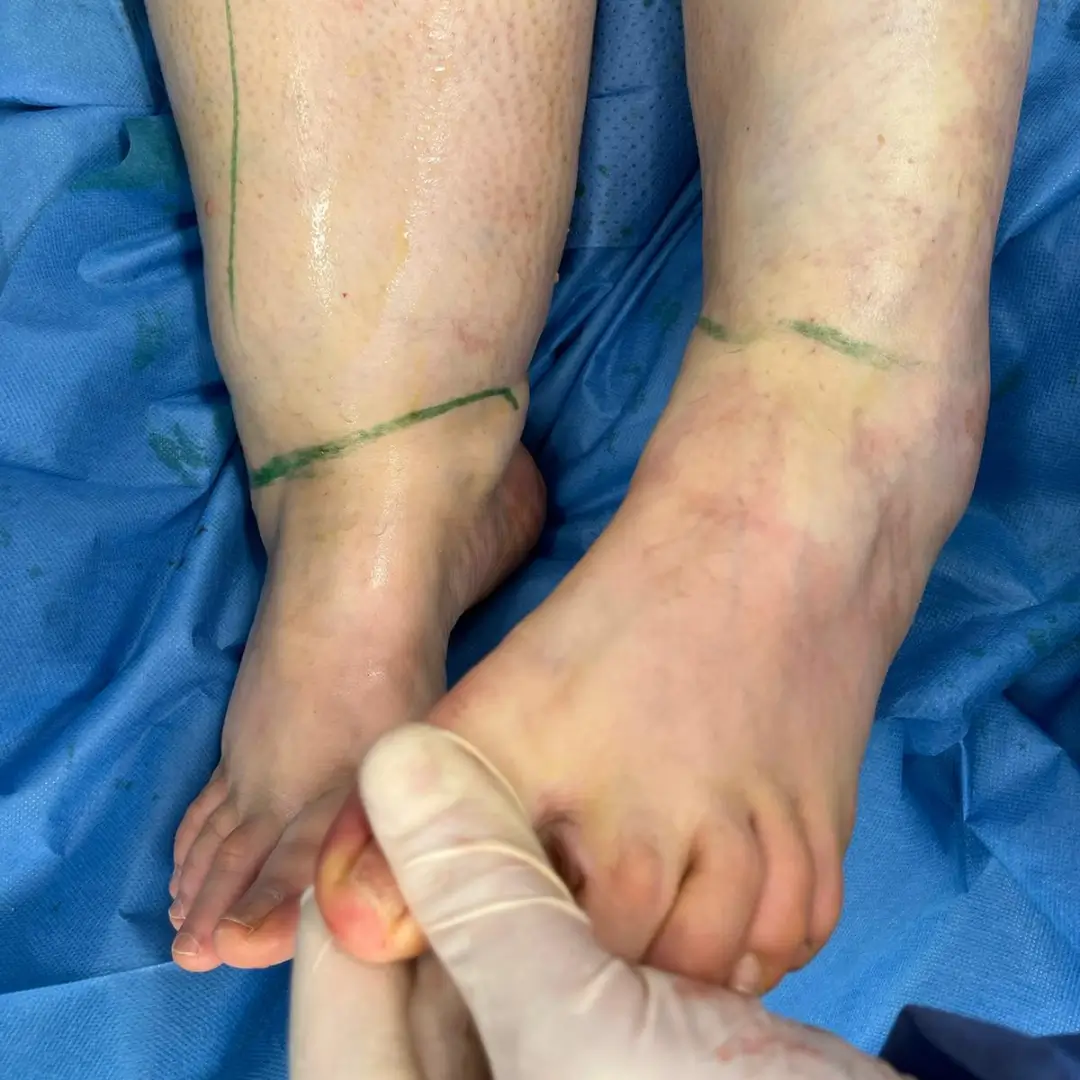
Also typical of lipedema is a so-called "cuffing" effect around the extremities, which can already appear at the wrists or ankles. Wearing flat-knit compression garments can help relieve these symptoms. It's important to note, however, that lipedema does not involve edema. When you press firmly with a finger on the swollen tissue, no dent should remain. This is a key difference between lipedema and lymphedema.
No Weight Loss Despite Diet and Exercise
One of the most frustrating experiences for many lipedema patients is the fact that no weight loss occurs despite diet and exercise. This can lead to despair and disappointment, since those affected put in significant effort to reduce their weight without seeing visible results. The reason lies in the nature of lipedema itself. This fatty tissue is often very stubborn and responds only to a limited degree to conventional weight-loss measures. It's important to have realistic expectations and to understand that losing weight with lipedema is often difficult and shouldn't always be the main goal of treatment. Instead, the focus should be on improving quality of life and increasing mobility and wellbeing for those affected.
Psychological Distress
Lipedema can also lead to significant psychological distress. The outward appearance of the condition - with uneven fat accumulation, uneven skin, and cuffing - can cause feelings of shame and low self-esteem in those affected. Patients often feel unattractive and struggle to accept their bodies.
The psychological effects of lipedema can be far-reaching and can even lead to conditions such as eating disorders or depression. The frustration of not losing weight despite exercise and diet can lead to a disturbed relationship with one's own body and to eating disorders such as binge eating or emotional overeating. Those affected can become trapped in a vicious cycle of negative thoughts and behaviors that further burden their mental health.
In addition, lipedema patients can also face social challenges. Bullying and stigmatization are unfortunately not uncommon, and those affected can feel isolated and misunderstood. Experiences like these can further reinforce already low self-esteem and lead to a decline in psychological wellbeing.
Fatigue With Lipedema
Fatigue can result from various lipedema symptoms already mentioned. The strain that the extra weight places on the body, and the increased load on the joints, can lead to excessive fatigue, particularly when walking and standing.
Lipedema can also lead to sleep disturbances. Many of those affected find it difficult to find a comfortable sleeping position due to the added weight and pain in the affected areas. This discomfort can lead to restless sleep and daytime fatigue.
The psychological burden that comes with lipedema can also contribute to fatigue. Many women with lipedema feel insecure because of the appearance of their legs and may struggle with low self-esteem or depression. These emotional burdens can lead to exhaustion and fatigue.
Hormonal Changes and Heredity
Lipedema is a chronic condition in which hormonal changes can have a significant impact on metabolism and the distribution of fatty tissue in the body. Significant hormonal fluctuations occur during puberty, pregnancy, and menopause, and these can affect lipedema. Hormones such as estrogen and progesterone are believed to play a role in the progression of lipedema.
It's important to note that not all women with lipedema experience a worsening of symptoms during hormonal changes. The effects of hormonal fluctuations can vary from person to person. Still, women who already have lipedema should pay particular attention to their symptoms during these phases, and consider additional treatment if needed.
We've also observed that the risk of developing lipedema tends to run in families. First-degree relatives, such as mothers, sisters, or daughters, have an increased risk of also developing lipedema.
The inheritance of lipedema is likely multifactorial, meaning several genes are involved. It's believed that lipedema is inherited in an autosomal dominant pattern, meaning only one parent needs to pass on the mutated gene for the condition to be inherited. However, it's important to note that not everyone with a genetic predisposition to lipedema actually develops the condition. Other factors, such as hormones and environmental influences, also play a role.
There are also cases where there's no family history and lipedema occurs sporadically. This could be due to new genetic mutations or other non-genetic factors.
Frequently Asked Questions About Lipedema Symptoms, From Our Clinic
Is lipedema detectable in a blood test?
Unfortunately, lipedema cannot be detected through a blood test. There's currently no imaging test for this condition. In some cases, an additional examination, such as an ultrasound, can be performed to confirm the diagnosis and rule out other possible causes for the symptoms.
Only one of my legs is swollen - could it still be lipedema?
Fat distribution in lipedema is symmetrical between the left and right sides of the body. In cases like this, there's a suspicion that it isn't purely lipedema, or that additional factors may be involved.
What does lipedema pain feel like?
The type and intensity of pain in lipedema can vary from person to person. Some women experience only mild discomfort, while others suffer from severe pain. Various factors - such as the stage of lipedema, the presence of accompanying conditions, or individual pain tolerance - can influence pain intensity. Some patients compare the pain to sore muscles, while others are so sensitive to touch that they even have to consider it when choosing their clothing.
I feel calf pain even at rest
If you feel a sense of tightness in your calves, this can be a sign of lipedema, especially if you also have other symptoms. This feeling of tightness is caused by the pressure that excess fat cells put on the connective tissue. It's possible for this uncomfortable sensation to occur even at rest.
Suspect You Have Lipedema?
If the symptoms described above apply to you, this could indicate lipedema. An accurate diagnosis and treatment are essential to improve your quality of life. It's important to reach out to a lipedema specialist or a specialized clinic.
At med-plast, you can book an appointment for a diagnosis or surgical therapy. We're here to support you with advice and action.
Comprehensive, non-binding, and individual.
Book an Appointment