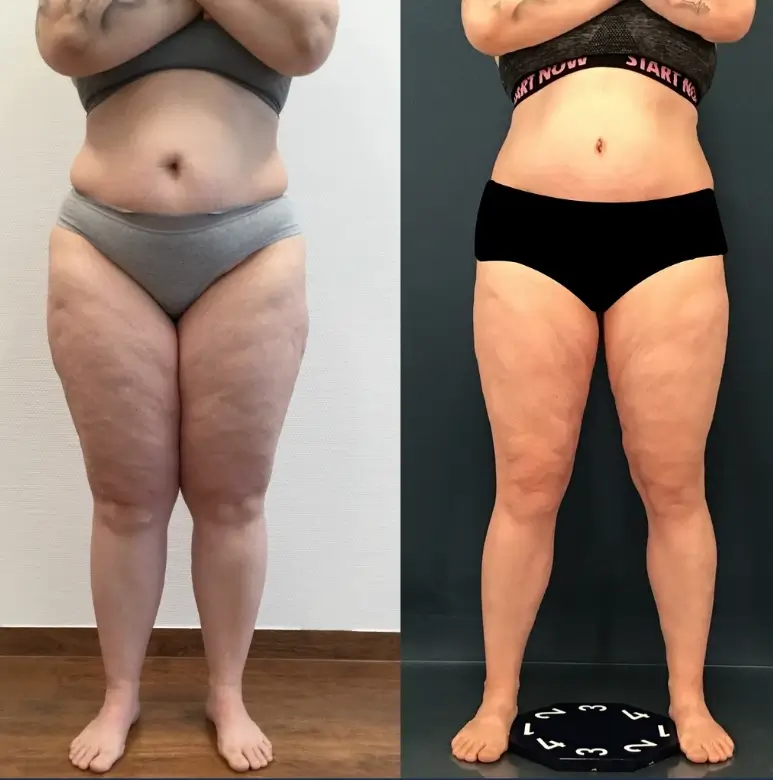





Lipedema, often mistaken for simple weight gain or swelling (edema), is a chronic condition that affects almost exclusively women. It's characterized by an uneven distribution of fat, especially in the legs. Unlike ordinary fat accumulation or fluid retention, lipedema comes with a number of specific characteristics that set it apart from other conditions. A thorough understanding of this disease begins with recognizing that it's more than just "thick legs." It's a complex medical issue that carries both physical and psychological burdens.
Why Is One Leg Thicker Than the Other?
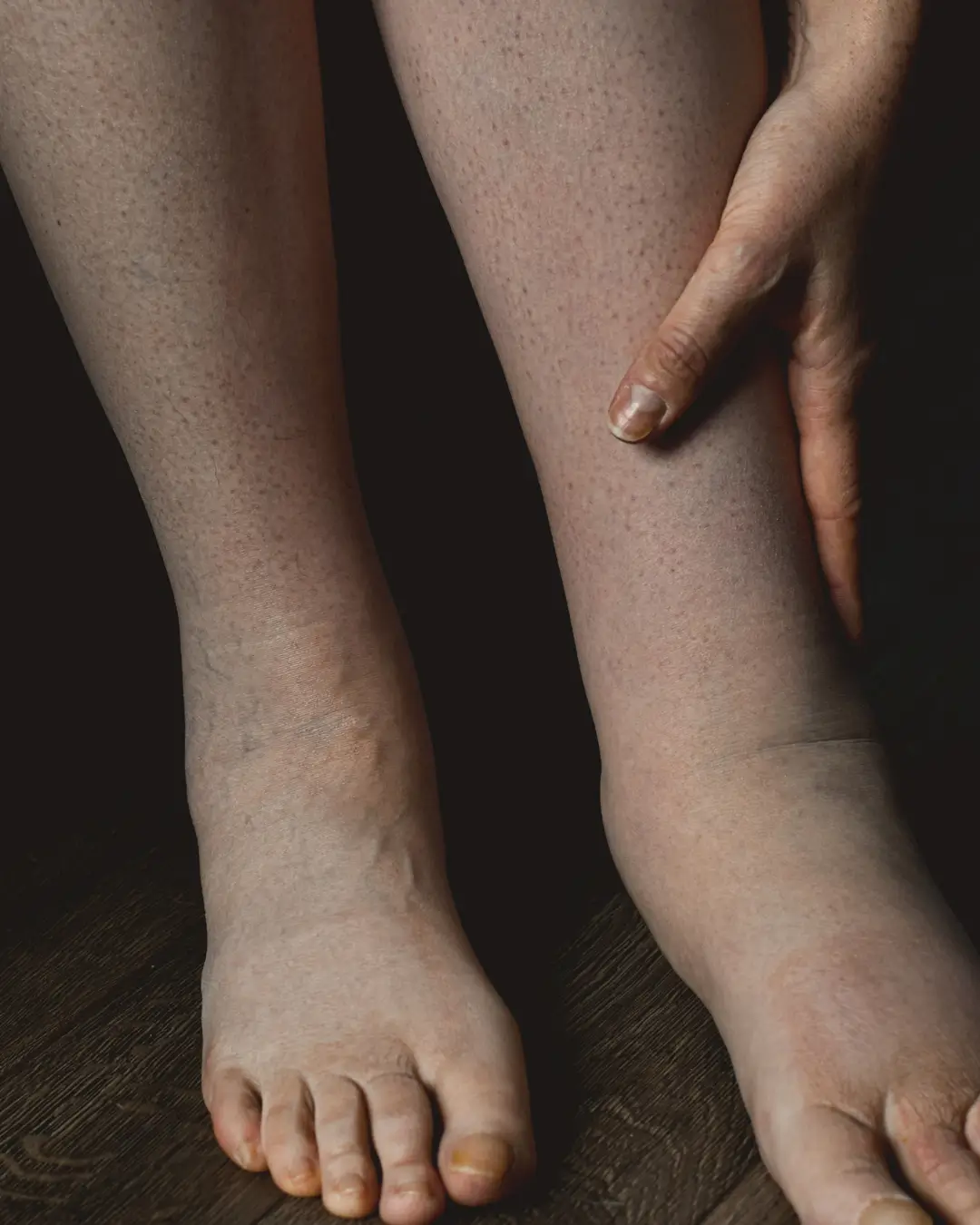
Lipedema is usually equally pronounced on both sides of the body, meaning it's symmetrical. But absolute symmetry doesn't exist in nature, so in some cases of lipedema, uneven swelling can be observed, where the left leg appears slightly thicker than the right, or vice versa. The reasons for this lie in the individual structure of fat cells, connective tissue, and skin elasticity. When one or more of these structures experiences more pressure in the tissue, it can lead to reduced lymphatic circulation. As a result, the legs become thicker. If one leg is visibly much larger in volume than the other, this usually indicates lymphedema, which needs to be clearly distinguished from lipedema. What's known as "lipo-lymphedema" describes an additional, temporary swelling of the top of the foot, when the connective tissue's binding capacity has been exceeded by the swelling.
Heavy Legs and Fatigue: Where Does It Come From?
The effects of lipedema on everyday life shouldn't be underestimated. Many of those affected report a feeling of heaviness in the legs and accompanying fatigue, which can significantly impair daily life. On top of that come pressure sensitivity and tension pain. These symptoms result from the extra strain caused by the fat accumulation, as well as impaired blood circulation and lymphatic flow. The more fatty tissue surrounds a leg, the more connective tissue is needed as a structural framework around the fat cells. Connective tissue has a strong affinity for water, so it can absorb a considerable amount of fluid. This, in turn, leads to significant extra weight, heaviness, and a feeling of pressure.
Heavy Legs and Fatigue: What Can I Do?
Now that we know where the heaviness and pressure come from, it becomes clear: the water needs to come out! Ideally, we'd want to wring out the swollen leg like a wet towel, to release the fluid from the connective tissue so it can be carried away through the lymphatic pathways. This requires pressure. This can be provided by the hands of an experienced lymphatic therapist in the form of manual lymphatic drainage (MLD), or even better - since it's permanent - through what's known as flat-knit compression leggings. These aren't just tight (compression class II); the arrangement of their knit pattern also works like a lymphatic drainage. This special compression garment must always be custom-fitted individually so it can work effectively. The cost of such custom compression garments isn't insignificant - it can quickly add up to 600 to 850 euros - but in Germany, this is covered 100% by statutory health insurance.
Swimming is the most effective form of decongestion, because the body floats weightlessly in the water and the fluid doesn't need to be pumped upward against gravity. With the added activity of the muscle pump from swimming movements, liters of fluid can be released from the legs. Where does this fluid go? Through the lymphatic system into the blood, then via the kidneys into the bladder. This is the reason for the strong urge to urinate after swimming or a good session of manual lymphatic drainage (MLD).
Lipedema in the Thigh: A Specific Area
The thighs are one of the areas most commonly and visibly affected by lipedema first. The genetically determined excess fat accumulation in the thighs leads not only to a visible change in body shape, but also to feelings of tension and touch sensitivity.
The cause of this, again, is pressure. Under pressure, more tissue cells die off and need to be "cleaned up" by the immune system, which triggers an inflammatory process. Pressure and inflammation lead to pain. But where exactly is this pain located on a thigh affected by lipedema? This requires a physical examination by someone experienced with lipedema. An experienced plastic surgeon can palpate the pain, specifically where the hardening from pressure and inflammatory processes occurs most often. These are usually the superficial outer front of the thighs, as well as the deeper inner thighs. The combination of palpation and ultrasound findings gives a clear picture, which presents the same on both sides of the thighs.
Not sure if this applies to you?
Book a free, no-obligation consultation with our specialists.
Lipedema in the Lower Legs: A Very Specific Area
Now that we know where the pain from lipedema in the thighs comes from, let's look at the typical locations in the lower legs. The areas directly adjacent to the knees are typically affected by lipedema, more on the inner side than the outer. On the inner side, a painful ridge extends down to the ankles. This is where the most complaints are reported, due to the greatest pressure and accompanying inflammatory processes. The thickening of the calves often leads to a disproportionate silhouette, which those affected find bothersome. Often, the first thing noticed is that boots no longer fit. Alongside restricted mobility, heaviness and pressure pain often appear later in the progression. Here too, elevating the legs, MLD, or flat-knit compression can help with acute relief. In the longer term, only lipedema surgery helps. Due to the anatomy of the lower legs, this procedure has its own particular requirements. That's why only highly experienced surgeons should perform lipedema surgery on the lower legs.
Lipedema With Loose Skin on the Legs: Treatment Options
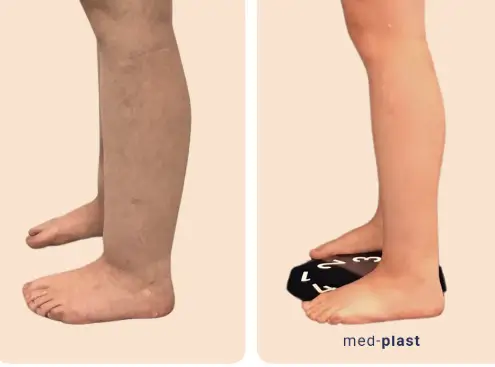
Lipedema doesn't just involve excess fat volume. Secondly, it also involves an increase in connective tissue, and thirdly, an increase in skin. Because the increase in skin causes it to lose necessary tension and elasticity, it appears uneven or wrinkled, especially when standing.
The following additional treatments are available directly following lipedema surgery at the med-plast clinic, as tightening procedures:
- Laser
- Plasma
- BodyTite/Morpheus
- Ultrasound
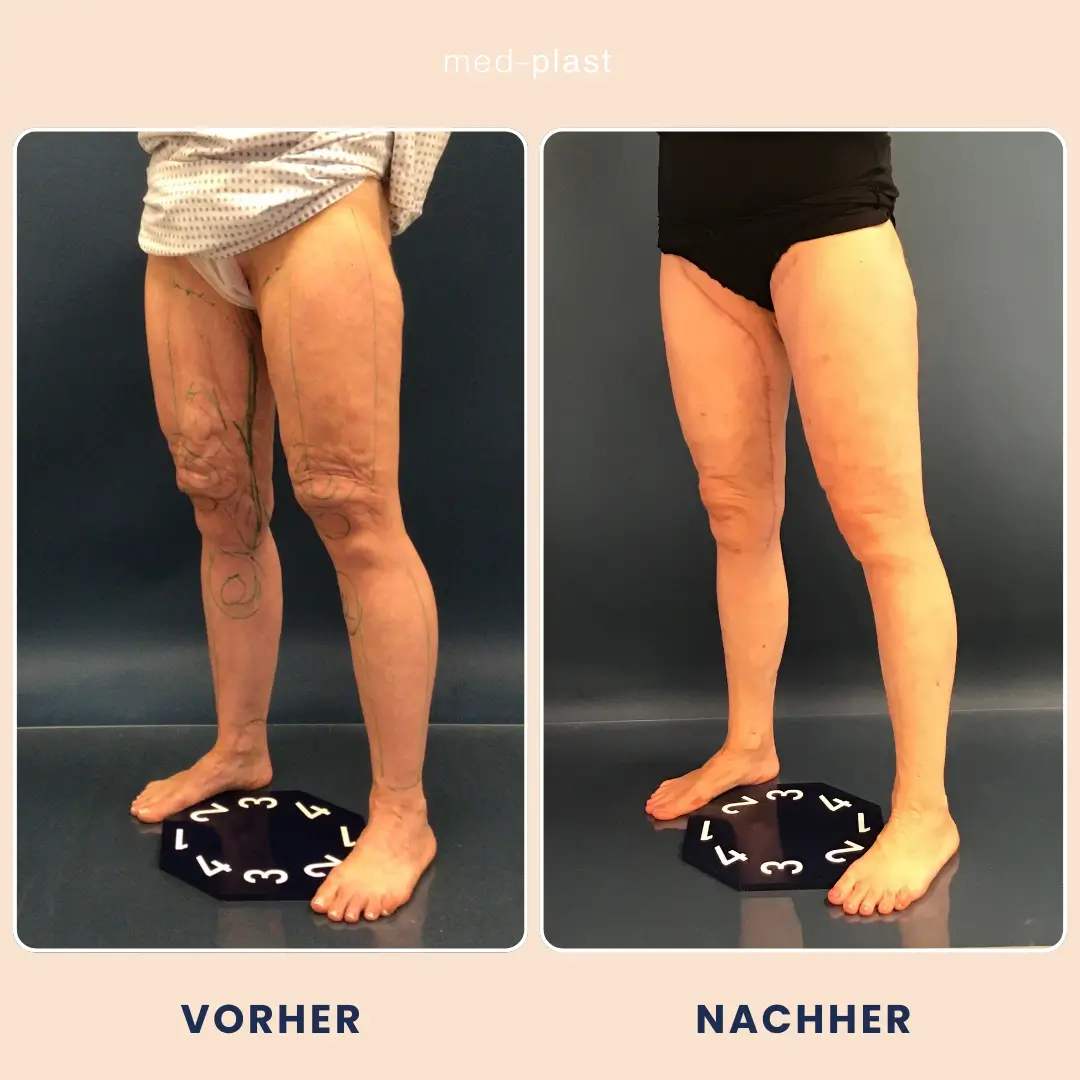
If all these techniques aren't enough to achieve sufficient tension on the skin's surface, gravity can be countered with plastic surgery procedures. Following completed lipedema therapy, the med-plast clinic offers the following plastic surgery tightening procedures:
- Arm lift,
- Thigh lift
- Tummy tuck, or even
- Breast lift
Only through an individual examination, surgical planning, and integration of all available additional treatments that can improve skin appearance can the best possible individual result be achieved. med-plast stands for this comprehensive approach.
Notable Signs of Lipedema in the Legs and What They Mean
Here are some signs of lipedema in the legs, though there's also a wide range of general symptoms of lipedema.
Swollen Legs on Both Sides
Lipedema occurs equally on both sides of the body - meaning it's symmetrical. A leg swollen on only one side can be a sign of lymphedema, especially once other common causes have been ruled out. This usually clear asymmetry requires a thorough examination to confirm a lymphedema diagnosis.
Mottled Legs and Skin Discoloration
Mottled skin texture and the appearance of discoloration can be visible signs of advanced lipedema. These mottled skin changes are due to impaired microcirculation. Pressure leads to varying regional surface blood flow. The thigh feels cold to the touch and appears especially mottled during the transition from cold to warm. Along with reduced blood flow (mottled skin), lipedema also causes bruising (hematomas). The cause of this is the resulting pressure, which hardens the smallest blood vessels as a biological counter-reaction (known as sclerosis). This hardening increases fragility, and even the smallest touch can rupture a blood vessel, resulting in a bruise.
Bruises (hematomas) tend to stick around for a long time in lipedema, because the tissue pressure restricts the blood flow needed to break down and remove the bruise. This is also the reason behind the cold legs almost always reported.
Bumps and Hardened Areas on the Thighs in Women
Firm, knotty hardened areas and bumps on the thighs are characteristic of advanced stages of lipedema. These changes are often painful and a clear sign of lipedema. They're a sign of clusters of inflammation and are therefore painful to the touch. The looser the skin, the more visible and palpable they become - especially in the area of the outer/back thighs and the lower abdomen. They're removed as part of surgical treatment for lipedema.
Lipedema at the Knee
The area around the knee is particularly prone to pain and restricted mobility in lipedema. Specific physical therapy exercises can help relieve symptoms in the moment, but in our experience, only surgical removal of the lipedema provides lasting success. Fat accumulation around the knee can restrict mobility and lead to an atypical appearance. It can also cause the inner sides of the knees to rub against each other. Lipedema specialists recognize the specific distribution patterns of lipedema when examining the knee. The pain symptoms around the knee can be well explained by pressure in anatomically confined spaces. Understanding these signs is crucial for early diagnosis and treatment. Lipedema surgery on the knees can fully restore both shape and function. There is, however, a caveat: if the skin above the knee has become too overstretched by lipedema over time, even our plasma, laser, or BodyTite tightening treatments are often not enough to smooth the skin above the knees so that no skin bulge is visible while standing.
Lipedema or Just Thick Legs? We Know the Difference!
Lipedema is often mistakenly dismissed as simple weight gain associated with obesity. Lipedema and obesity often occur together, raising the question of which one predominates. As a rule, there's an entirely individual mix of both - obesity AND lipedema. Lipedema can worsen obesity due to restricted mobility, pain, and altered metabolism, but conversely, obesity cannot worsen lipedema.
To find out whether you have lipedema or just "thick legs," you can take the so-called pinch test directly. Because lipedema hurts, obesity doesn't. Lifestyle adjustments, such as a balanced diet and regular exercise, can help with both, but lipedema itself always remains resistant to them in the end.
In advanced cases, or when conservative measures aren't enough, surgical treatment may be considered. Liposuction, in which excess fatty tissue is removed, has proven effective at reducing pain and improving mobility.
Comprehensive, non-binding, and individual.
Book an Appointment