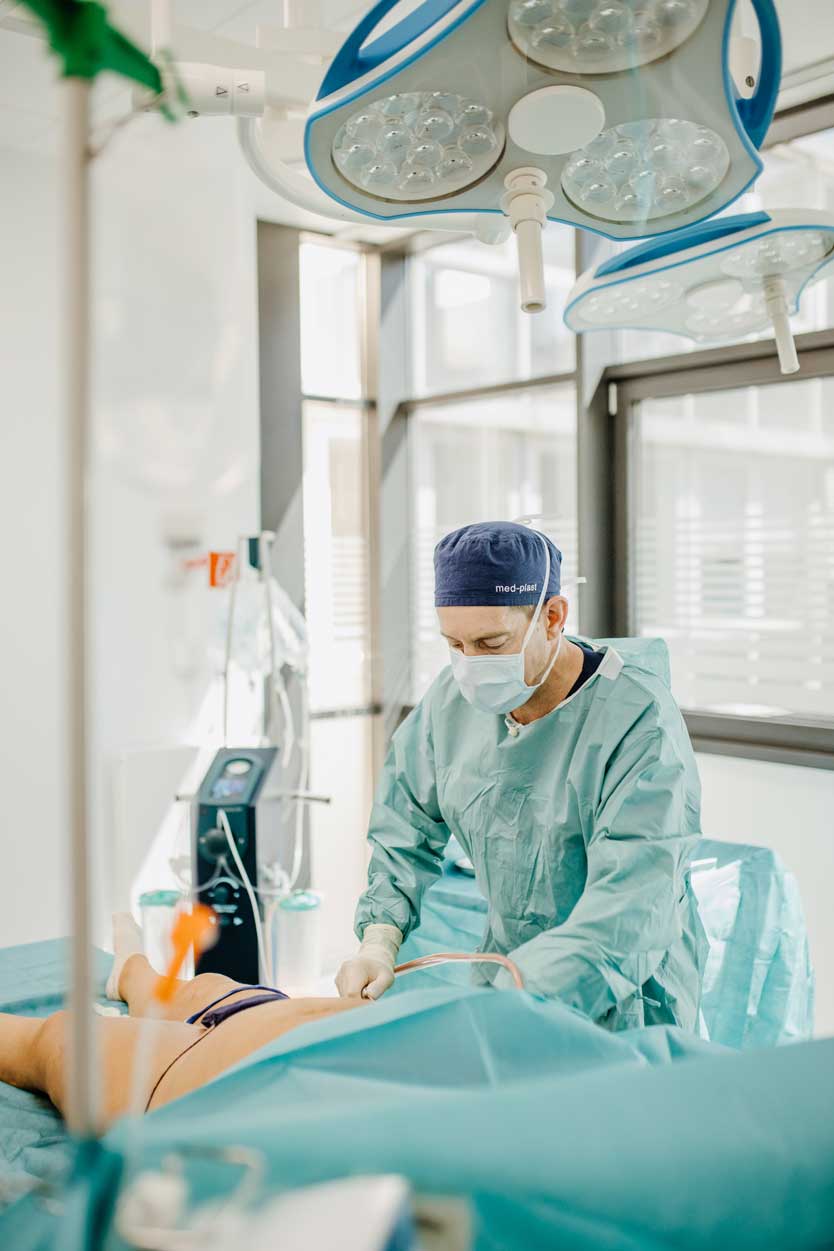





What is lipedema? Lipedema is a chronic fat-distribution disorder that mainly affects women, causing an uneven distribution of fatty tissue. This can lead to physical symptoms such as pain, swelling, and restricted movement. The exact cause of lipedema is not yet fully understood, but hormonal influences and genetic predisposition play a role. Diagnosis is made through a clinical examination and a pinch test, to confirm the presence of lipedema fatty tissue. Treatment aims to relieve symptoms, or even resolve them completely. Conservative treatment options such as compression garments and lymphatic drainage relieve symptoms in the moment, while surgical therapy can treat them sustainably.
It's important to distinguish lipedema from other conditions such as lymphedema. While lipedema is a fat-distribution disorder, lymphedema is a swelling caused by disrupted lymphatic flow. Symptoms and treatment options differ accordingly. To get an accurate diagnosis, you should see a specialist experienced in lipedema. It's also important to note that lipedema doesn't just cause physical symptoms - it can also affect self-confidence and quality of life. A holistic approach to care is therefore essential to meet each patient's individual needs.
Causes of Lipedema
The exact causes of lipedema are not yet fully understood, but several factors may play a role:
- Heredity: It's believed that lipedema is linked to a genetic predisposition, since it's often passed down through generations on the paternal side of a family. Contrary to common assumption, lipedema inheritance is therefore less directly linked to the maternal side. Lipedema inheritance follows an autosomal dominant pattern - a form of inheritance in which the favorable information for lipedema only needs to be present on one of the two so-called autosomes for the trait to eventually appear as the condition. Certain genes must therefore be present that not only predispose someone to lipedema, but also lead, over time, to its appearance - its so-called phenotype.

- Hormonal influences: Hormones can play a role in the onset, or so-called progression - the worsening of lipedema over time. This progression is often referred to as a lipedema "flare." These sudden changes frequently occur in women during puberty, pregnancy, or menopause, when female hormone levels in the body fluctuate. The influence of estrogens on fatty tissue in particular is discussed. At med-plast, we've also observed entirely different, newly noted factors: stress! Under stress, the body releases cortisol, a derivative of the well-known cortisone, which has been shown to occur more frequently during lipedema flares.
- Inflammatory processes in the body: can promote lipedema. It's believed that certain inflammatory mediators stimulate fat cells and can lead to increased fat accumulation. In particular, a connection between pain symptoms and lipedema can be seen. The med-plast group, led by Dr. Labschies, remains convinced that increased pressure from lipedema fat cells leads to greater cell death, which the body in turn responds to with an increased inflammatory process.
- Metabolic disorders: A disrupted metabolism, reduced fat burning, and impaired lymphatic flow can lead to the accumulation of fatty tissue and increased volume in the so-called interstitium, the space between cells.
- Lifestyle factors: Lipedema can be negatively influenced by obesity. Conversely, obesity can also be negatively influenced by lipedema. Since a mixed presentation is almost always present, factors such as lack of exercise or an unbalanced diet can mask the underlying lipedema issue, causing it to go unrecognized.

It's important to note that lipedema is not caused by being overweight. People with lipedema often struggle to reduce excess fat in the affected areas despite living a healthy lifestyle. The exact causes of lipedema are complex, and further research is needed to fully understand them.
How Does Lipedema Develop?
In lipedema, also known as fat edema, a disruption of fat metabolism occurs, in which fat cells in certain body regions multiply, grow excessively, and are structured differently. These fat cells respond less to diet and physical activity - meaning they retain their energy in the form of stored triglycerides, and therefore also retain their volume. The pressure these fat cells put on the skin creates irregular dimpling, similar to the appearance of cellulite. Lipedema can put pressure on the lymphatic vessels, leading to swelling, pain, and a feeling of tightness. In severe cases, the risk of secondary lymphedema increases, leading to what's known as lipo-lymphedema.
Although several treatment approaches for lipedema have already been developed, further research is needed to understand the exact mechanisms behind how lipedema develops. Only then can the best possible individual, targeted treatment strategies be developed. As a highly specialized center of expertise, the med-plast clinic offers the most innovative and effective solutions currently available for patients suffering from lipedema.

The 3 Most Common Lipedema Symptoms
Lipedema is characterized by three main features:
- One visible main symptom of lipedema is an uneven increase in fatty tissue, particularly affecting the legs and arms. In lipedema, excess fat accumulation typically starts at the hips and extends down to the ankles. On the arms, the distribution of lipedema typically runs from the wrists up to the shoulders. The torso usually appears slim, and the hands and feet aren't visibly affected due to their very thin fat layer. The affected areas are often symmetrical - meaning they appear on both sides of the body at the same time.
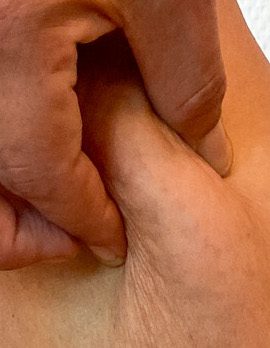
- One main symptom of lipedema that isn't visible is pain and sensitivity in the affected areas. Those affected often report a heavy, pressing feeling in the legs, as well as pain when touched or under pressure. The pain can also occur without any outside contact and can restrict freedom of movement. Mild bruising is also common.
- The volume of fat in the thighs and the resulting restricted freedom of movement are proportional to each other. Beyond a certain volume, even the orthopedic alignment of the legs can shift. The lower legs deviate outward for support, which wears down the outer knee cartilage and can, over time, lead to painful osteoarthritis.
Besides the three most common features mentioned, lipedema can cause a wide range of symptoms, both physically and emotionally taxing. Diagnosing lipedema requires capturing the full spectrum of complaints and symptoms, which is why diagnosing lipedema should be left to very experienced practitioners.
Lipedema Diagnosis: How Is the Condition Recognized and Confirmed?
Diagnosing lipedema can be challenging, since there are no specific diagnostic tests. A thorough medical history and physical examination are essential to distinguish lipedema symptoms from other conditions such as obesity or lymphedema. This type of diagnosis is purely clinical - meaning without imaging or other supportive techniques. In absolute exceptional cases, lymphoscintigraphy may also be needed to further clarify a possible underlying lymphedema.
The first step in diagnosing lipedema is a thorough conversation between the patient and a doctor specialized in lipedema. After reviewing the patient's history, the doctor will carry out a comprehensive physical examination. This includes assessing the distribution of fatty tissue, checking for possible swelling or hardening by touch, and determining the sensitivity of the affected areas. Typical features of lipedema include a symmetrical distribution of fatty tissue in the legs or arms.
If you experience pain or other symptoms due to lipedema, it's advisable to discuss individual treatment options with a highly specialized lipedema doctor.
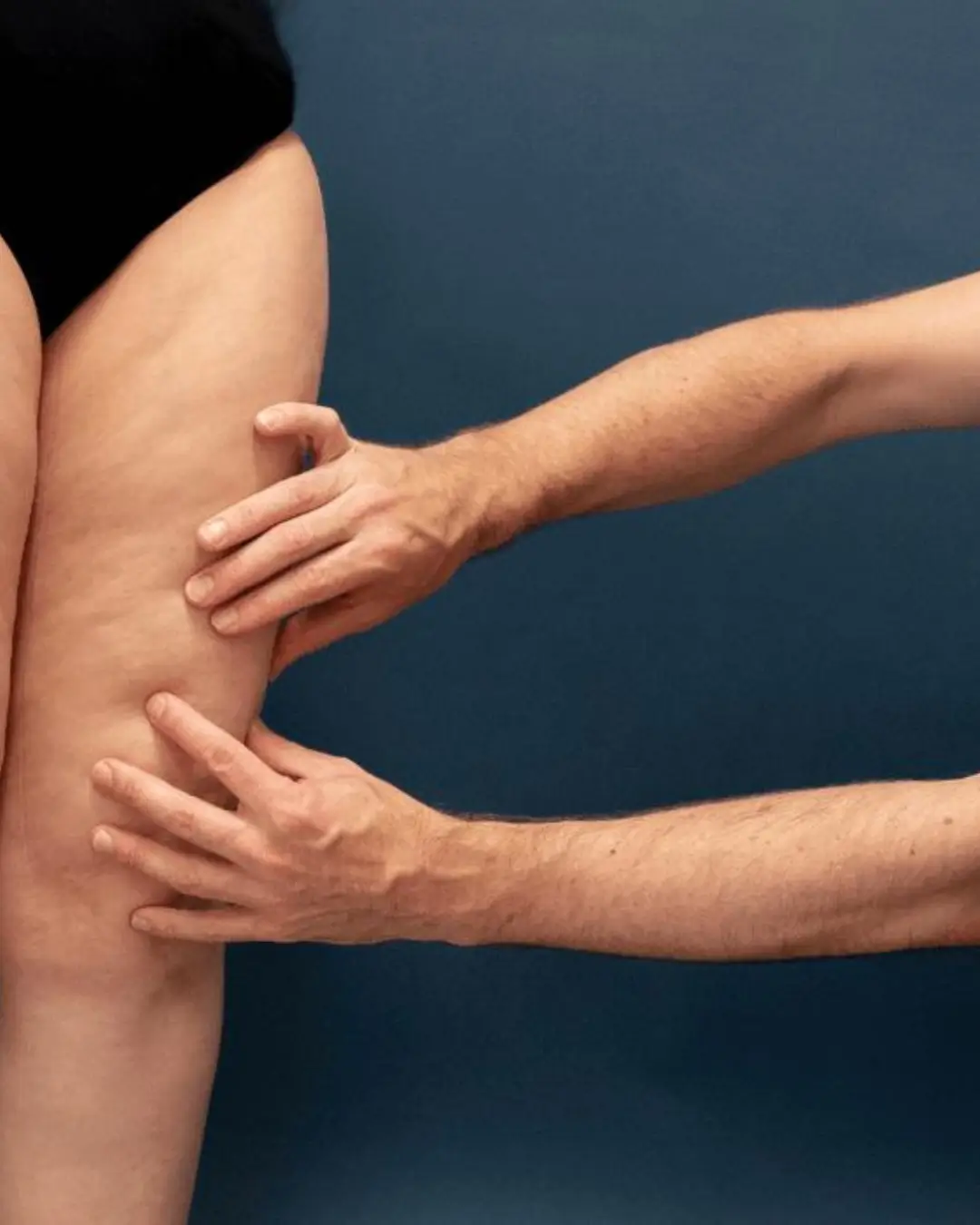
Recognizing Lipedema With the Pinch Test
Because of its symptoms, lipedema can easily be confused with other conditions. Lipo-lymphedema in particular, a combination of lipedema and lymphedema, can make an accurate diagnosis more difficult. A mixed presentation of obesity and lipedema is also very hard to recognize for doctors not experienced with lipedema.
To distinguish lipedema from other conditions, a simple pinch test can be performed. With lipedema, the skin remains unchanged after pinching, while with lymphedema, a dent remains visible. A thorough examination can clearly distinguish the painful areas typical of lipedema from the less painful surrounding tissue.
The Progression of Lipedema
The progression of lipedema varies individually and can differ from patient to patient. Typically, the first symptoms begin during puberty or after further hormonal shifts, such as starting the contraceptive pill. Alongside significant stress, pregnancy is often the biggest trigger for a sudden increase in volume.
Lipedema usually develops slowly over time and can worsen as time goes on. However, there are also cases where it remains stable or shows only minor changes. Lipedema is therefore by no means always a so-called progressive condition.
Women who already have known cases of lipedema in their family are advised to watch for possible symptoms and closely monitor their own condition. Lipedema is classified into different stages and types, which can vary depending on presentation and severity.
Stages of Lipedema: From Mild Symptoms to Advanced Disease
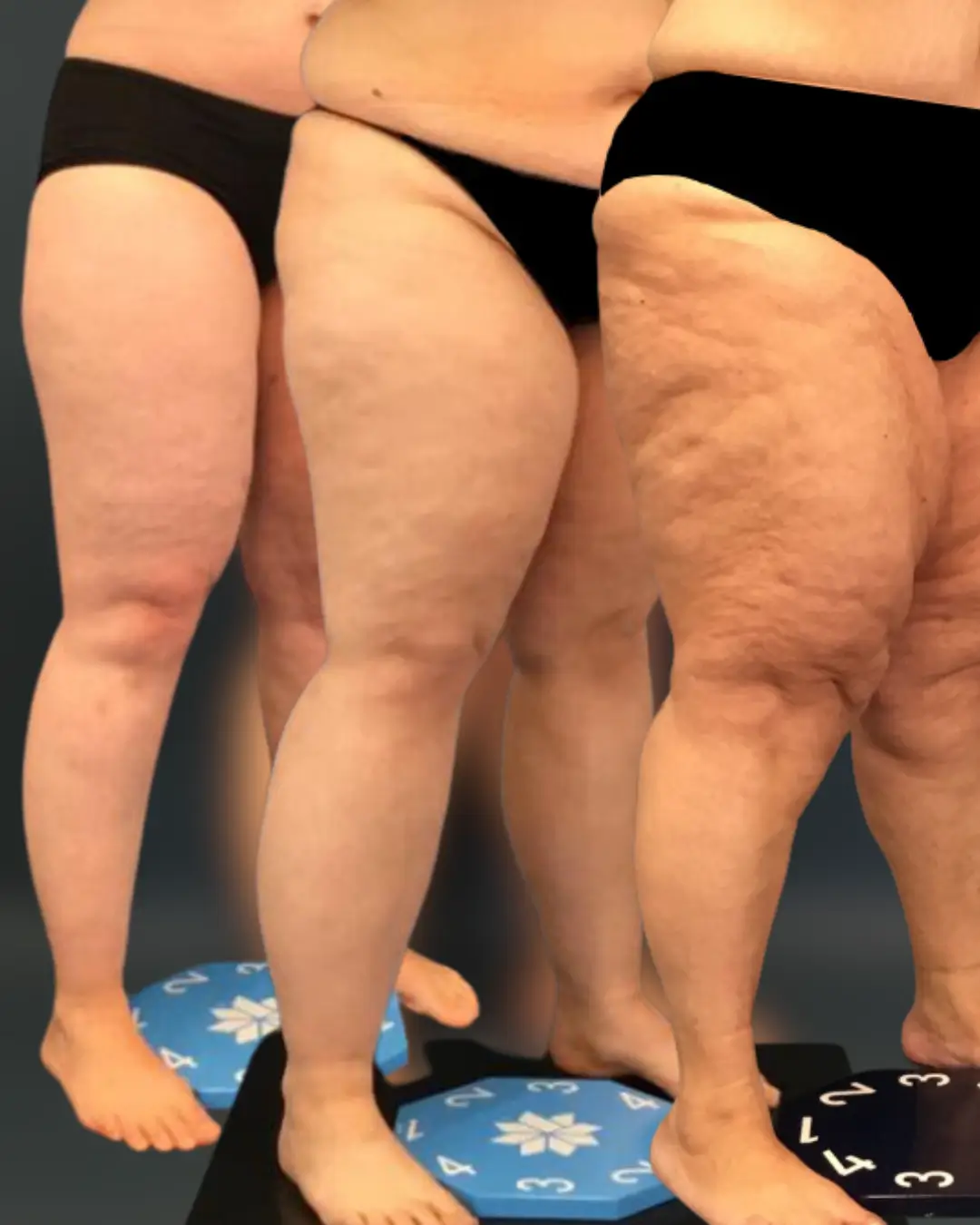
Lipedema can be classified into different stages, which describe the severity of the condition. In the early stages (1-2), symptoms are usually relatively mild and fat accumulation is less pronounced. In advanced stages, however, massive fat deposits can occur, leading to significant physical symptoms. Learn more about the different stages of lipedema.
The Different Types of Lipedema: Classification and Characteristics
Lipedema can be divided into different types, depending on which body regions are affected. The most common type is the so-called "column lipedema," in which fat accumulation mainly occurs on the thighs and lower legs. There are also other types, such as "riding-breeches lipedema" (fat accumulation on the thighs) or "arm lipedema" (fat accumulation on the upper and lower arms).
Lipedema is also divided into different types to describe the different presentations of the condition.
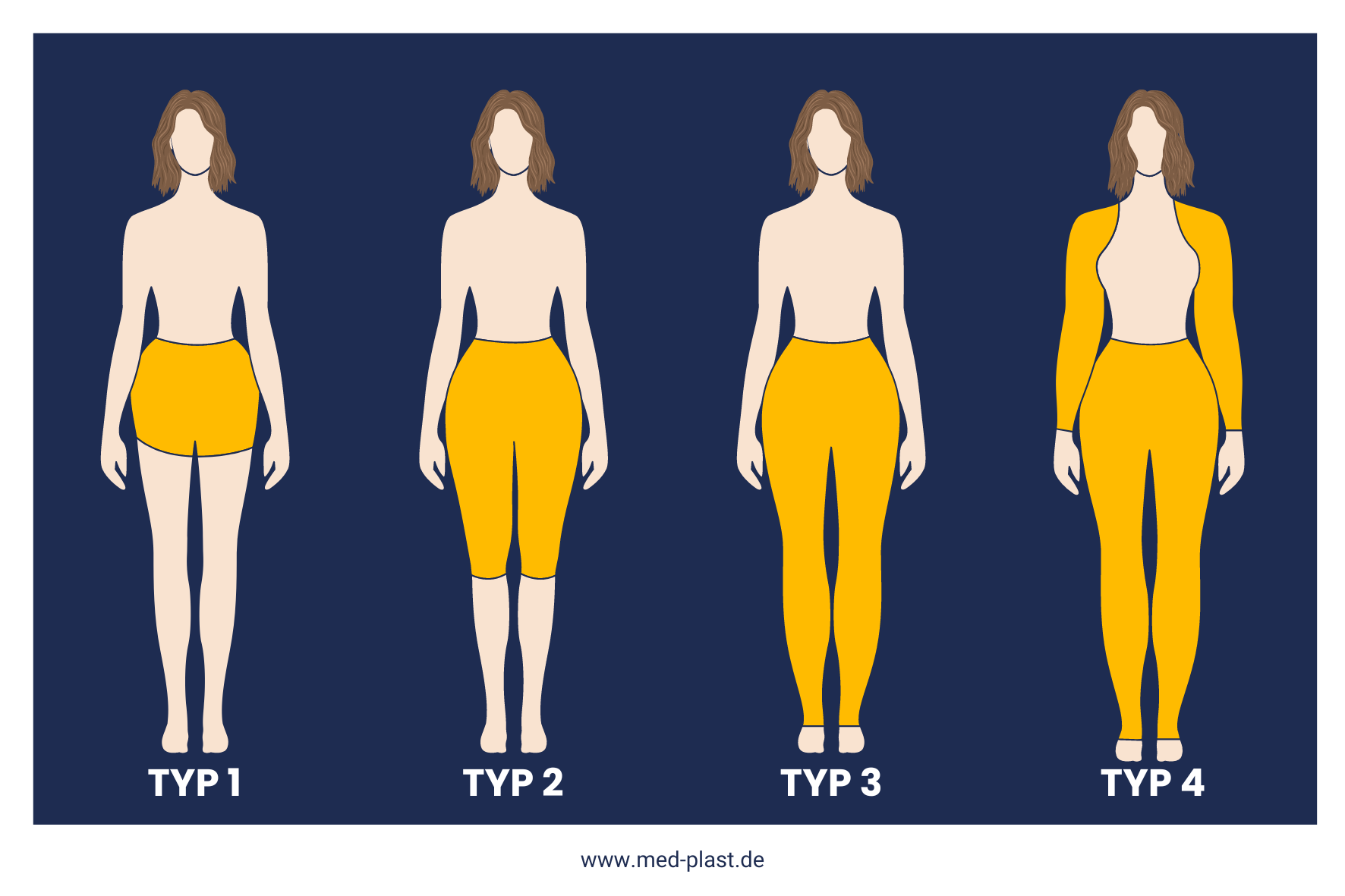
- Lipedema Type 1 mainly affects the hip region.
- Lipedema Type 2 mainly affects the entire thighs.
- Lipedema Type 3 mainly affects the entire legs.
- Lipedema Type 4 affects both the legs and arms.
It's important to note that classification into stages and types isn't always clear-cut, and mixed forms can occur. Based on current understanding, lipedema can affect the entire body, which is why the plastic surgeons specialized in lipedema at med-plast even treat patients with lipedema on the back, abdomen, or chest.
Not sure if this applies to you?
Book a free, no-obligation consultation with our specialists.
Lipedema Treatment: Therapy Options to Relieve Symptoms
Treating lipedema is primarily aimed at relieving symptoms and improving the quality of life of those affected. This includes conservative measures such as compression garments, manual lymphatic drainage, and regular exercise. In many cases, liposuction can also be considered, to specifically reduce fat accumulation. At our Berlin location alone, med-plast surgeons perform more than 1,000 lipedema surgeries every year!
Two approaches can be used to treat lipedema: conservative treatment and surgical treatment. It's important to emphasize that treatment is multidisciplinary and highly personalized for each patient.
Conservative Therapy for Lipedema
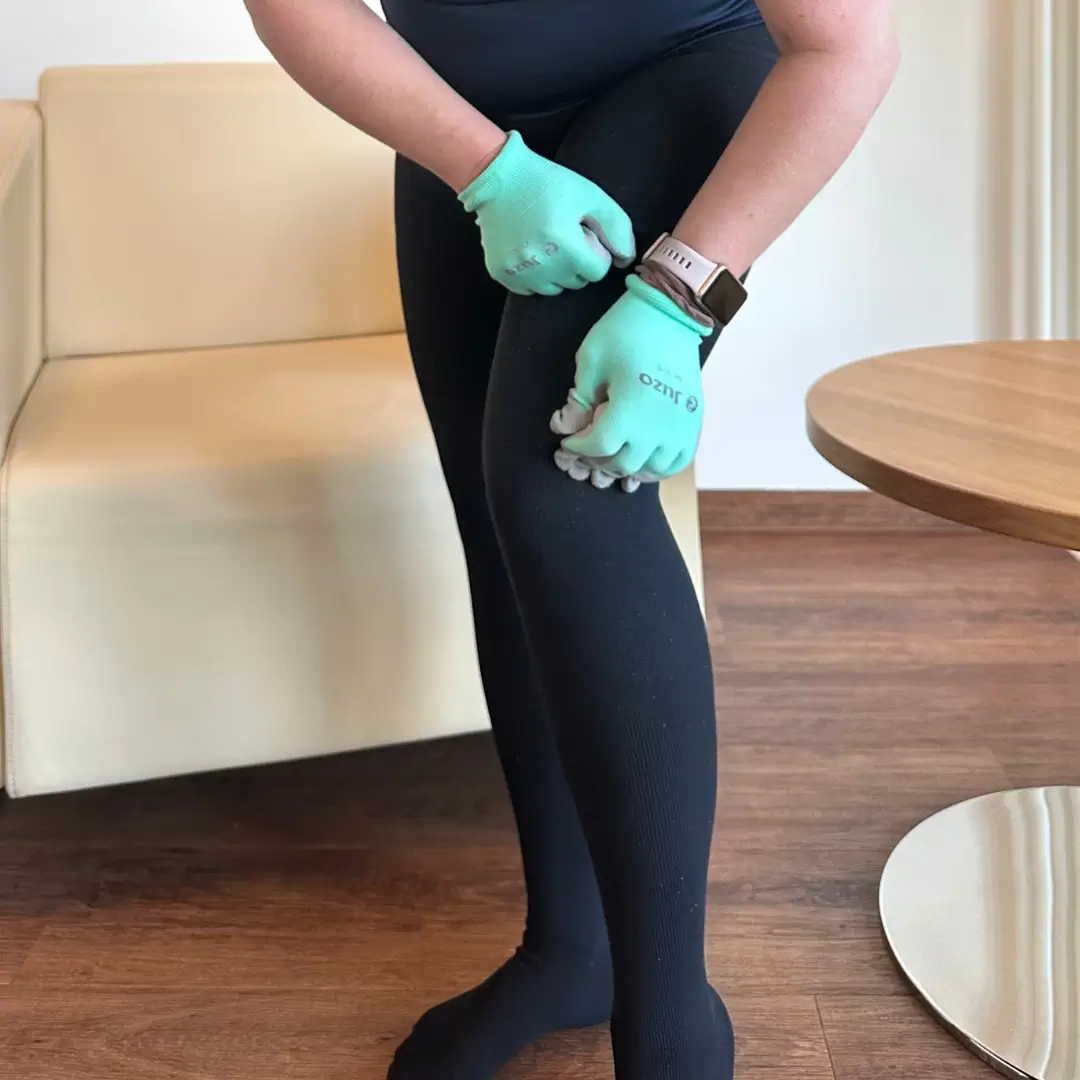
As part of conservative treatment for lipedema, various therapies can be used. These include manual lymphatic drainage and compression therapy. Depending on conditions accompanying lipedema, additional therapies may be necessary. This may require working alongside gynecologists, vascular specialists, or other experts. For example, treatments for PCOS (polycystic ovary syndrome) or varicose veins may be considered. Individual treatment is tailored to the patient's specific needs and any accompanying conditions.

Surgical Therapy for Lipedema
Lipedema liposuction is usually considered as an option once a patient has exhausted all conservative alternatives without experiencing relief from her symptoms. This approach requires a pre-operative preparation phase, as well as a post-operative phase during which the results become visible and settle. When lipedema is treated well surgically, the regenerative capacity of the lipedema tissue is also removed in the treated areas. This means it can't simply grow back and lead to the same symptoms as before.
Difference Between Lymphedema and Lipedema
Lymphedema and lipedema are two different conditions that are often confused, since they share similar symptoms. The main difference, however, is that lipedema primarily affects fatty tissue, while lymphedema involves a disruption of the lymphatic system. That said, lipedema can also lead to lymphedema when the lymphatic vessels are compressed by fat accumulation (lipedema stage 4).
Lymphedema is a disruption of the lymphatic system in which fluid (lymph) accumulates in the tissue because drainage is impaired. Lipedema, on the other hand, is a fat-distribution disorder in which fatty tissue accumulates unevenly and symmetrically in the extremities.
Lipedema vs. Lymphedema: Key Differences
| Lipedema | Lymphedema | |
|---|---|---|
| Cause | Caused by genetic and hormonal factors | Damage to or blockage of the lymphatic vessels, for example after lymph node removal or radiation therapy |
| Distribution pattern | Symmetrical extremities, but can also affect the hip or buttock area | Asymmetrical extremities |
| Swelling | Soft and can be indented | Firm and cannot be indented |
| Pain | Often causes pain, a feeling of heaviness, and skin changes such as dimpling and unevenness. | Can cause pain, restricted movement, and skin changes |
| Treatment | Reducing fat accumulation | Removing excess fluid and improving lymphatic drainage |
Although compression garments, exercise, and lymphatic drainage are common to both conditions, it's important to understand the differences between them, since their causes and treatments differ.
Do I Have Lipedema or Lymphedema?
Based on symptoms and outward appearance, you can get an initial sense of whether it might be lipedema or lymphedema. It's important to emphasize, however, that an accurate diagnosis can only be made by a doctor specialized in lipedema. Be sure to consider their experience, reputation, and your own gut feeling on site!
Lymphedema Symptoms
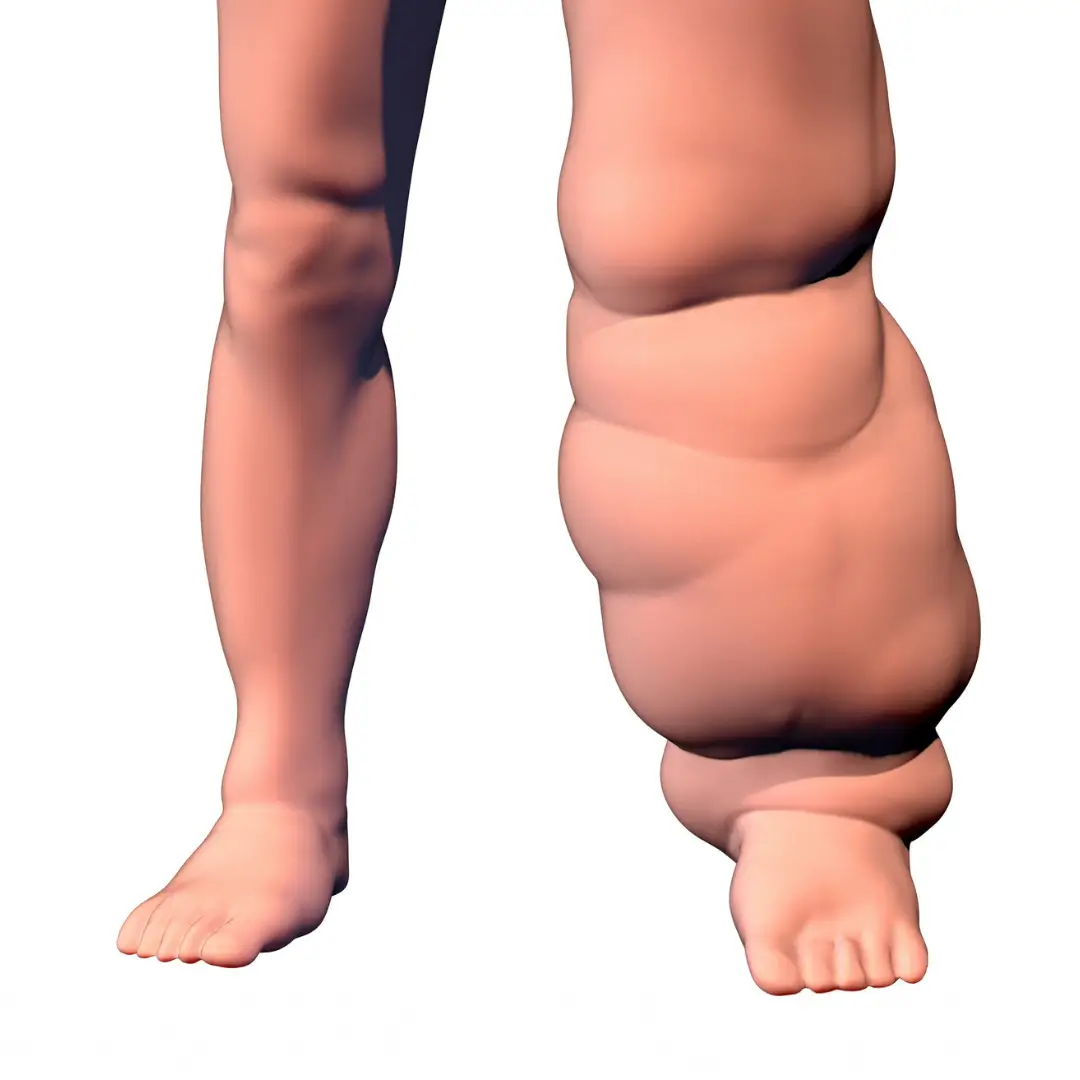
The symptoms of lymphedema often resemble those of lipedema, which frequently leads laypeople to confuse the two:
- One-sided swelling in the affected body parts, such as arms or legs.
- A feeling of heaviness in the affected body parts.
- A feeling of tightness in the affected body parts.
- Restricted mobility in the affected body parts.
- Skin changes, such as thickening, redness, or hardening.
- Pain or discomfort in the affected body parts.
- Recurring infections in the affected body parts, such as cellulitis or lymphangitis.
- Difficulty wearing tight clothing or shoes.
- Reduced finger mobility or stiffness in the affected body parts.
- Increased sweating in the affected body parts
Lympho-Lipedema: What Is It, and How Does It Differ From Lipedema?
A lympho-lipedema, also called lipo-lymphedema, is a combination of lipedema and lymphedema. It's a fat-distribution disorder combined with a disruption of the lymphatic system. This leads to swelling and fluid accumulation in the affected body parts. What's special about this combination: the cause of the impaired lymphatic drainage lies within the lipedema tissue itself. The pressure from the lipedema prevents the lymph from draining sufficiently. This leads to so-called secondary congestion, which tends to increase toward the end of the day, especially in high temperatures. This is often referred to as secondary lipo-lymphedema.
Compared to pure lipedema, lympho-lipedema shows more pronounced swelling and fluid accumulation. Symptoms can be more severe, and there's an increased risk of infection. Skin changes and tissue hardening can also intensify. Treatment for lympho-lipedema therefore often combines lipedema-specific therapy with lymphatic drainage and decongestive measures. An accurate diagnosis from a doctor is essential to determine the right treatment approach.
How Can Lipedema Be Prevented?
A healthy lifestyle with a balanced diet and regular exercise can help reduce the risk of developing lipedema, or improve symptoms and keep the condition under control. However, there are no specific preventive measures, since the exact causes of lipedema are still not fully understood. It's important to note that lipedema is likely a genetically determined condition that cannot be fully prevented.
Lipedema in Women: Prevalence and Hormonal Influences
Lipedema mainly affects women, with estimates suggesting that 80-90% of those affected are female. It's believed that changes, particularly involving female hormones such as estrogens, play a role in the onset and worsening of lipedema. Hormonal influence can intensify during puberty, pregnancy, or menopause. In particular, taking the contraceptive pill or hormonal changes during menopause can increase the risk of developing lipedema.
Can the Pill Cause Lipedema?
There is no clear evidence that taking the contraceptive pill directly causes lipedema. However, hormonal changes caused by the pill could influence the onset or worsening of lipedema. Some women report a worsening of their lipedema symptoms after starting or stopping the pill, but this isn't the case for all women.

Lipedema During Menopause
During menopause, a woman's body changes. Estrogen in particular plays an important role in this. When estrogen levels drop, this can trigger lipedema or worsen an existing case.
Women who already have lipedema may experience stronger symptoms during menopause. This means more fat accumulation, swelling, pain, and difficulty moving. In some cases, liposuction may be considered to remove excess fat.

Is Lipedema a Recognized Medical Condition?

Living with lipedema can significantly impair quality of life, which is why the WHO recently recognized its definition as a medical condition. Thanks to the efforts of international experts, lipedema has now finally been assigned an ICD code by the World Health Organization (WHO), laying the foundation for the condition's worldwide recognition.
Dr. Labschies, a specialist in surgical therapy for lipedema, was asked to explain the requirements for lipedema surgery at the WHO in Geneva. His core message was: "Understanding the complexity and necessary individuality of lipedema surgery is a fundamental building block for understanding surgical therapy for lipedema."
The field of lipedema is developing rapidly worldwide, and in the coming years we can expect to gain many new scientific insights. med-plast, and Dr. Labschies in particular, are continuously committed to sharing and exchanging scientific and clinical knowledge about lipedema.
- GOOD TO KNOW
ICD CODE: E88.2 LIPOMATOSIS, NOT ELSEWHERE CLASSIFIED
E88.20 Lipedema, Stage I
E88.21 Lipedema, Stage II
E88.22 Lipedema, Stage III
E88.28 Other or unspecified lipedema
Lipedema Treatment at med-plast
At med-plast, we offer comprehensive diagnosis and surgical therapy for women with lipedema. Our plastic surgeons have specialized expertise and extensive experience performing liposuction for lipedema. They're familiar with the specific anatomical characteristics of lipedema and can carry out precise, targeted treatment, using specialized techniques to remove excess fat cells and achieve an improved body contour.
Our comprehensive aftercare and support also includes other supportive therapies, such as individually fitted compression garments, nutritional counseling, and lymphatic drainage, to support recovery and optimize long-term results.
It's important to have a thorough consultation with an experienced plastic surgeon before liposuction for lipedema, to identify the best options for your individual situation. We offer individual consultations to understand each patient's needs and expectations, explaining the liposuction process, possible outcomes, and risks and complications. We then create a customized treatment plan tailored to your individual goals and needs.

Would you like to know more?
Feel Free to Ask Us!